
What Is Epoxy Flooring? Best Uses for Garages and Commercial Spaces in Australia
If your garage floor is stained with oil, covered in tyre marks, or showing signs of wear and cracking, you’re not alone. Many Australian homeowners and business owners struggle with concrete floors that become difficult to clean and maintain over time. If you’re wondering what is epoxy flooring, it is one of the most durable and popular flooring solutions used in garages, warehouses, commercial kitchens, showrooms, and industrial facilities across Australia.
Epoxy flooring is a durable flooring system created by combining epoxy resin and a hardener, which chemically react to form a strong, seamless, and protective surface bonded directly to concrete. Unlike ordinary paint, epoxy becomes part of the concrete surface, providing superior durability, chemical resistance, and long-term performance.
In this blog
- What Is Epoxy Flooring?
- Types of Epoxy Flooring
- Best Uses for Epoxy Flooring
- Epoxy Flooring Pros and Cons
- How Much Does Epoxy Flooring Cost in Australia?
- Epoxy Flooring vs Polished Concrete: Which Should You Choose?
- How Is Epoxy Flooring Installed?
- Common Mistakes to Avoid With Epoxy Flooring
- Is Epoxy Flooring Right for Your Space?
- Who Provides Professional Epoxy Flooring Services in Australia?
- Conclusion
- FAQS
Whether you’re looking to upgrade a residential garage, protect a warehouse floor from heavy machinery, or create a hygienic commercial workspace, epoxy flooring offers a practical and cost-effective solution. In this guide, we’ll explain what epoxy flooring is, the different types available in Australia, its advantages and limitations, installation methods, costs, and the best applications for residential and commercial flooring spaces.
What Is Epoxy Flooring?
Epoxy flooring is a seamless and highly durable flooring system created by combining epoxy resin and a hardener, which chemically react to form a strong protective surface bonded directly to concrete. Unlike traditional floor coatings, epoxy penetrates and bonds with the concrete surface, creating a long-lasting layer that resists wear, chemicals, stains, and moisture. This makes it a popular choice for garages, commercial facilities, warehouses, and industrial environments throughout Australia.
How the Epoxy Resin and Hardener Work Together?
Epoxy flooring works because epoxy resin and hardener combine through a chemical reaction that creates a hardened and durable surface. Once mixed, the two components begin a curing process that transforms the liquid coating into a solid protective layer. Unlike ordinary paint that simply dries on the surface, epoxy chemically cures and becomes significantly stronger and more resistant to damage.
Epoxy resin provides adhesion and surface coverage
Hardener triggers the chemical curing process
The reaction creates a dense and durable flooring system
The cured surface is much stronger than conventional floor paint
Why Epoxy Bonds Better Than Traditional Floor Coatings?
Epoxy bonds better because it forms a chemical connection with concrete rather than simply sitting on top of the surface. This deep bond improves durability and helps prevent common issues such as peeling, cracking, and flaking. As a result, epoxy flooring performs better under heavy traffic, chemical exposure, and demanding commercial conditions.
Creates a strong chemical bond with concrete
Provides greater durability than paint-based coatings
Resists peeling, flaking, and surface failure
Delivers long-term protection for residential and commercial floors
Types of Epoxy Flooring
Different types of epoxy flooring are designed to suit various environments, performance requirements, and budgets across residential, commercial, and industrial spaces in Australia. Each system offers unique strengths in durability, appearance, thickness, and cost, making it important to choose the right type based on usage and traffic levels.
Epoxy Type | Key Features | Typical Thickness | Best Applications | Typical Cost Range |
Water-Based Epoxy | Budget-friendly, easy application | Thin coating | Residential garages | Low |
Solvent-Based Epoxy | Strong adhesion, durable finish | Medium | Commercial use | Medium |
100% Solid Epoxy | Highest strength and durability | Thick coating (2–5mm) | Industrial environments | High |
Epoxy Flake Flooring | Decorative, slip-resistant surface | Medium to thick | Garages & commercial spaces | Medium–High |
Metallic Epoxy Flooring | Luxury glossy finish, visual effects | Medium | Showrooms & offices | High |
Self-Levelling Epoxy Flooring | Seamless smooth finish, high durability | Thick (3–5mm) | Warehouses & manufacturing facilities | High |
1. Water-Based Epoxy Flooring
Water-based epoxy is a budget-friendly option commonly used in residential garages where light to moderate durability is required. It is easy to apply and provides basic surface protection against dust and minor stains. However, it is less durable compared to other epoxy systems and is best suited for low-traffic areas when compared to water-proof flooring.
2. Solvent-Based Epoxy Flooring
Solvent-based epoxy offers stronger adhesion and improved durability, making it suitable for commercial environments. It provides a tougher finish than water-based systems but contains higher VOC levels, which require proper ventilation during installation. It is commonly used in workshops and light industrial spaces.
3. 100% Solid Epoxy Flooring
100% solid epoxy is the most durable form of epoxy flooring, offering maximum strength and chemical resistance. It is ideal for industrial environments where heavy machinery, chemicals, and constant traffic are present. Its thick application ensures long-lasting performance and superior protection.
4. Epoxy Flake Flooring
Epoxy flake flooring combines durability with decorative appeal by adding coloured flakes into the epoxy layer. It also improves slip resistance, making it a popular choice for garages and commercial spaces. This system provides both functionality and aesthetic enhancement.
5. Metallic Epoxy Flooring
Metallic epoxy flooring delivers a premium, glossy finish with unique 3D visual effects. It is often used in showrooms, offices, and luxury interiors where design impact is important. While visually striking, it also maintains strong durability for light to medium traffic areas.
6. Self-Levelling Epoxy Flooring
Self-levelling epoxy creates a smooth, seamless surface that is highly durable and easy to clean. It is widely used in warehouses, factories, and manufacturing facilities where hygiene and strength are critical. Its thick application provides excellent resistance to wear and heavy loads.
Ready to Transform Your Home's Flooring?
Get expert guidance on carpets, hybrid, timber, vinyl & laminate flooring. Book a free in-home consultation with our specialists today!
Best Uses for Epoxy Flooring
Epoxy flooring is best suited for areas that require high durability, chemical resistance, and easy maintenance, making it ideal for both residential and commercial environments in Australia. It performs exceptionally well in garages, industrial spaces, and hygiene-sensitive areas where traditional flooring may fail. Its seamless and protective surface makes it a practical long-term solution for heavy-use environments.
1. Garage Floors
Garage floors are one of the most common applications of epoxy flooring due to their ability to withstand heavy daily use. It offers excellent resistance to hot tyre pickup, oil spills, and grease stains, helping maintain a clean and durable surface. Epoxy also seals the concrete underneath, preventing damage from moisture and cracks. It is suitable for both single and double garages in residential properties, offering long-term durability and low maintenance.
2. Commercial Kitchens and Food Facilities
Epoxy flooring is widely used in commercial kitchens because it meets strict hygiene and safety requirements such as FSANZ compliance. Its seamless surface prevents bacteria buildup and makes cleaning quick and efficient. Anti-slip ratings between R10–R13 ensure safety in wet and greasy conditions. It is highly suitable for food preparation areas where hygiene and durability are critical.
3. Warehouses and Industrial Floors
Warehouses and industrial spaces benefit from epoxy flooring due to its ability to handle forklift traffic, heavy machinery, and constant movement. It provides strong resistance to chemicals, oils, and industrial spills. Typically applied in thicknesses of 2–5mm, it ensures long-lasting structural protection. Epoxy flooring also helps businesses meet BCA compliance requirements for safety and durability.
4. Retail, Showrooms and Offices
Retail spaces and showrooms use epoxy flooring for its decorative appeal and professional finish. Options like flake and metallic epoxy allow businesses to customise colours and designs to match branding. It creates a clean, modern appearance that enhances customer experience. At the same time, it provides durable protection for medium-traffic commercial environments.
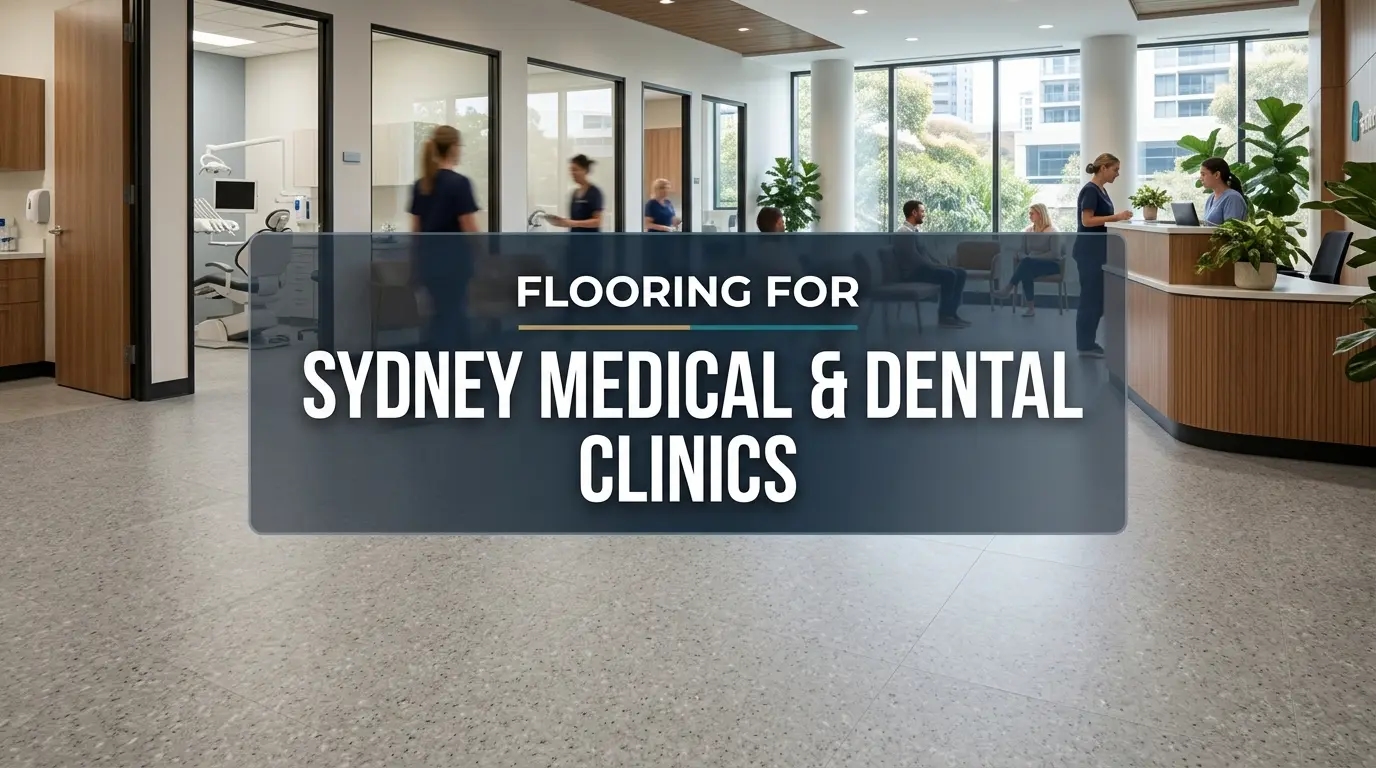
5. Laboratories and Medical Facilities
Epoxy flooring is essential in laboratories and medical environments where hygiene and sterility are critical. ESD epoxy systems help control electrostatic discharge, protecting sensitive equipment. It also supports HACCP compliance in regulated environments. The seamless surface prevents contamination and ensures easy cleaning, making it ideal for sterile and controlled spaces.
Also Read: What is Bamboo Flooring? Types, Cost & UsageEpoxy Flooring Pros and Cons
Epoxy flooring is widely valued for its durability, chemical resistance, and long-lasting performance, making it a popular choice for garages, warehouses, and commercial spaces in Australia. However, while it offers many advantages, it also has a few limitations such as installation requirements and sensitivity to certain conditions. Understanding both sides helps in making the right flooring decision for your space.
Pros | Cons |
10–20 year lifespan | Surface preparation cost |
Chemical resistance | Cure time required |
Easy maintenance | UV yellowing possible |
Decorative finishes | Can be slippery when wet |
Concrete protection | Professional installation recommended |
Stain resistance | Repairs can be noticeable |
How Much Does Epoxy Flooring Cost in Australia?
Epoxy flooring costs in Australia vary depending on the type of epoxy system, surface condition, and whether the project is residential, commercial, or industrial. Basic residential coatings are more affordable, while high-performance commercial and industrial epoxy systems cost more due to increased durability and preparation requirements. Surface preparation is also a key cost factor that significantly affects the final price.
Application Type | Cost Per m² | Typical Project Cost |
Residential Epoxy Flooring | $45–$85/m² | Varies by size |
Commercial Epoxy Flooring | $70–$130/m² | Varies by project scale |
Industrial Epoxy Flooring | $70–$130/m²+ | High-range projects |
Surface Preparation | $5–$15/m² | Depends on floor condition |
Single Garage | — | $600–$1,800 |
Double Garage | — | $1,080–$2,880 |
Epoxy Flooring vs Polished Concrete: Which Should You Choose?
Epoxy flooring and polished concrete are both popular flooring solutions in Australia, but they serve different purposes depending on durability needs, aesthetics, and usage. Epoxy provides a coated, protective layer ideal for heavy-duty environments, while polished concrete enhances the natural look of concrete with a sleek, low-maintenance finish.
Factor | Epoxy Flooring | Polished Concrete |
Appearance | Glossy, decorative, customizable | Natural, minimal, industrial look |
Durability | High chemical and impact resistance | Very high surface hardness |
Maintenance | Easy to clean, needs coating care | Very low maintenance |
Cost | Moderate to high ($45–$130/m²) | Moderate ($60–$120/m²) |
Slip Resistance | Can be improved with additives | Naturally slip-resistant when finished properly |
Installation Time | 2–3 days + curing time | Longer grinding/polishing process |
Best Applications | Garages, commercial kitchens, warehouses | Homes, retail spaces, modern interiors |
1. When Epoxy Flooring Is the Better Choice?
Epoxy flooring is the best option for environments that require chemical resistance, heavy-duty durability, and protective sealing. It is commonly used in commercial kitchens, warehouses, garages, and industrial facilities where spills, stains, and heavy traffic are frequent. Decorative epoxy finishes also make it ideal for showrooms and commercial spaces that require a polished, professional look.
2. When Polished Concrete Is the Better Choice?
Polished concrete is better suited for modern residential interiors and design-focused spaces where a natural, minimal aesthetic is preferred. It requires very low maintenance and performs well in indoor residential areas, retail stores, and open-plan living spaces. It is ideal for homeowners who want a durable yet stylish floor without additional coatings or surface layers.
How Is Epoxy Flooring Installed?
Epoxy flooring is installed by following a structured multi-step process that ensures strong adhesion, durability, and long-term performance on concrete surfaces. Each stage—from preparation to final coating, plays a critical role in achieving a smooth, seamless, and resistant flooring system suitable for garages, commercial spaces, and industrial environments.
Step 1: Diamond Grinding and Surface Preparation
Epoxy flooring installation begins with diamond grinding, where the concrete surface is mechanically prepared to create the right texture for bonding. This process removes dust, oil, old coatings, and other contaminants that can affect adhesion. Moisture testing is also carried out to ensure the slab is suitable for epoxy application. Proper surface preparation is essential for preventing future peeling or failure.
Step 2: Primer Coat Application
Primer coat is applied to strengthen the bond between the concrete and the epoxy system. It penetrates deep into the surface and seals pores, creating a stable foundation for the next layers. This step improves adhesion and ensures the epoxy system performs effectively under heavy use.
Step 3: Base Coat Installation
The base coat forms the main structural layer of the epoxy flooring system. It is applied evenly to achieve the required thickness and provides strength, durability, and chemical resistance. This layer is responsible for most of the flooring’s performance under traffic and load conditions.
Step 4: Flake or Metallic Broadcast (Optional)
In this stage, decorative elements such as flakes or metallic pigments are added if required. These finishes enhance the appearance of the floor while also improving slip resistance. It is commonly used in garages, retail spaces, and showrooms for both aesthetic and functional benefits.
Step 5: Protective Topcoat
The protective topcoat seals the entire system and provides resistance against UV rays, abrasion, stains, and daily wear. It enhances durability and helps maintain the floor’s finish over time. This final layer is crucial for ensuring long-lasting performance in both residential and commercial settings.
Typical Installation and Cure Time
Epoxy flooring installation generally takes 2–3 days depending on the size and condition of the surface. After application, the floor must go through a proper curing period before full use. This ensures maximum strength, hardness, and chemical resistance for long-term performance.
Also Read: How to Prepare a Subfloor Before Installing New Flooring?Common Mistakes to Avoid With Epoxy Flooring
Many epoxy flooring failures in Australia happen not because of poor materials, but due to incorrect installation or poor decision-making during the planning stage. Since epoxy is a performance-based system, even small mistakes can lead to peeling, bubbling, or reduced lifespan. Avoiding these common errors ensures better durability, safety, and long-term value for your flooring investment.
1. Skipping Proper Surface Preparation
Skipping surface preparation is one of the biggest reasons epoxy floors fail over time. Without proper grinding and cleaning, epoxy cannot bond effectively to concrete, leading to peeling and delamination. Oil stains, dust, and moisture must be fully removed before application. Proper preparation is essential for long-term adhesion and performance.
2. Choosing the Wrong Epoxy System
Using the wrong type of epoxy for the application can significantly reduce flooring performance. For example, water-based epoxy may not be suitable for industrial or high-traffic areas. Each epoxy system is designed for specific environments such as garages, warehouses, or commercial kitchens. Selecting the right system ensures durability and cost efficiency.
3. Ignoring Slip Resistance Requirements
Ignoring slip resistance can create safety hazards, especially in commercial or wet environments. Epoxy floors can become slippery if no anti-slip additives are used. In Australia, compliance with safety standards like R10–R13 is important for public and workplace areas. Proper finishing ensures both safety and functionality.
4. Attempting DIY Installation Without Experience
DIY epoxy installation often leads to uneven application, poor adhesion, and reduced lifespan. The process requires professional equipment, technical knowledge, and precise timing. Mistakes during mixing or curing can permanently damage the floor. Professional installation is strongly recommended for reliable, long-lasting results.
Is Epoxy Flooring Right for Your Space?
Epoxy flooring is ideal for garages, warehouses, commercial kitchens, showrooms, and businesses that need a durable, low-maintenance, and professional-looking surface. It performs exceptionally well in environments with heavy traffic, chemical exposure, or frequent cleaning requirements. However, its suitability also depends on usage type, design preference, and environmental conditions such as UV exposure or moisture levels.
1. Best Choice for Garages
Epoxy flooring is one of the best options for garages due to its resistance to oil stains, tyre marks, and heavy vehicle traffic. It seals the concrete surface, preventing cracks and dust buildup over time. This makes it highly durable and easy to maintain in both single and double garages. It is especially useful for homeowners who want a clean, long-lasting garage floor.
2. Best Choice for Commercial Spaces
In commercial environments like warehouses, kitchens, and retail stores, epoxy flooring provides excellent durability and hygiene. It can withstand heavy foot traffic, machinery loads, and chemical exposure. Its seamless surface also supports easy cleaning and compliance with safety and hygiene standards. This makes it a reliable solution for demanding business operations.
3. Best Choice for Decorative Interiors
Epoxy flooring is also widely used in decorative interiors such as showrooms, offices, and modern retail spaces. Options like metallic and flake finishes allow for customised designs and branding. It creates a glossy, high-end appearance while still maintaining strong durability. This combination of aesthetics and strength makes it popular in design-focused environments.
4. When Another Flooring Type May Be Better?
Epoxy flooring may not be the best choice for all spaces, especially outdoor areas exposed to constant UV light or extreme weather conditions. In residential living areas where warmth and natural aesthetics are preferred, timber or hybrid flooring may be more suitable. It is also less ideal for spaces requiring frequent future flooring changes. Choosing the right flooring depends on balancing durability, design, and environmental factors.
Who Provides Professional Epoxy Flooring Services in Australia?
Gorkha Flooring Provides professional epoxy flooring services in Australia for residential, commercial, and industrial spaces with a strong focus on durability and quality workmanship. Their solutions are designed to handle heavy traffic, chemical exposure, and long-term wear, making them suitable for garages, warehouses, kitchens, and showrooms. With expert installation and premium materials, they ensure long-lasting and visually appealing flooring systems tailored to Australian conditions.
Why Gorkha Flooring Is a Trusted Choice?
Gorkha Flooring is a trusted choice because it delivers reliable, high-quality epoxy flooring solutions backed by professional expertise and end-to-end project support.
Expertise in residential, commercial, and industrial epoxy flooring projects
Specialized garage epoxy flooring solutions for durability and stain resistance
Industrial-grade flooring systems designed for heavy machinery and traffic
Professional installation ensuring proper surface preparation and long lifespan
Competitive pricing without compromising on quality or materials
End-to-end service including consultation, installation, and aftercare support
Conclusion
Epoxy flooring is one of the most durable and versatile flooring solutions available in Australia, making it ideal for garages, commercial kitchens, warehouses, and industrial environments. Its seamless finish, chemical resistance, and long lifespan make it a practical choice for both residential and business applications. However, its performance largely depends on proper installation, surface preparation, and selecting the right epoxy system for the intended use.
For homeowners and businesses looking for a low-maintenance, strong, and professional-looking flooring solution, epoxy flooring offers excellent long-term value. Whether it’s improving garage durability or meeting commercial hygiene standards, it delivers reliable performance when installed correctly. Choosing experienced professionals like Gorkha Flooring ensures better results, enhanced durability, and a flooring system that stands the test of time.
FAQS
Is epoxy flooring slippery?
Epoxy flooring can be slippery when wet, but anti-slip additives like flakes or quartz can be added to improve safety significantly.
Can you apply epoxy flooring over tiles?
Yes, epoxy can be applied over tiles if they are properly cleaned, roughened, and primed to ensure strong adhesion and long-term durability.
How long does epoxy flooring last?
Epoxy flooring typically lasts 10–20 years depending on usage, installation quality, surface preparation, and maintenance practices.
Can I install epoxy flooring myself?
DIY installation is not recommended because epoxy requires precise mixing, surface preparation, and timing best handled by professionals.
Is epoxy flooring suitable for outdoor areas in Australia?
Standard epoxy is not ideal outdoors due to UV exposure, but UV-stable or polyaspartic coatings can be used for external areas.
Does epoxy flooring crack?
Epoxy itself does not usually crack, but cracks can appear if the underlying concrete moves or if surface preparation is poor.
How long before I can drive on an epoxy garage floor?
You can usually walk on it after 24–48 hours, but it is safe to drive on after 3–5 days once full curing is completed.
What is the best epoxy flooring for commercial spaces?
100% solid epoxy flooring is best for commercial spaces due to its high durability, chemical resistance, and ability to handle heavy traffic.