
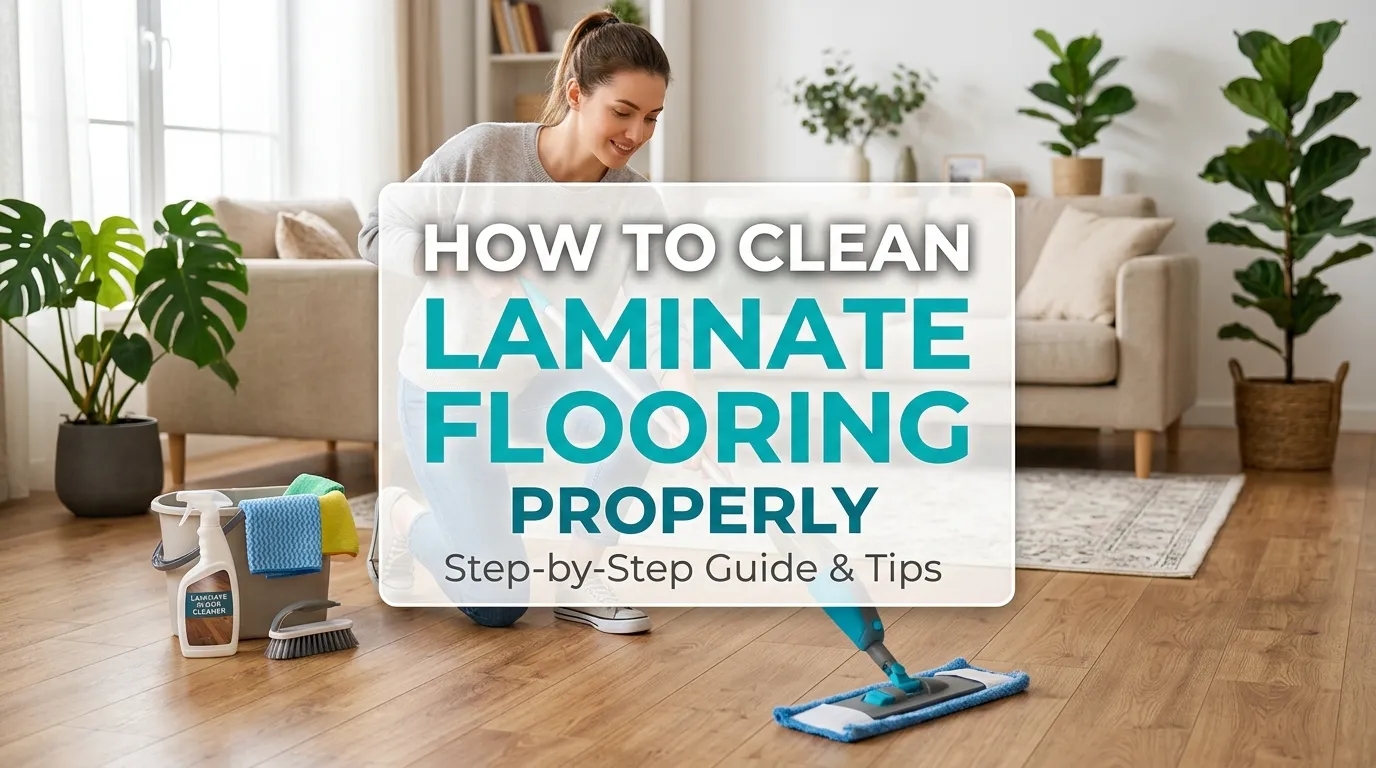
How To Clean Laminate Flooring Properly? Complete Guide 2027
Laminate flooring is easy to maintain, but using too much water, harsh cleaners or the wrong cleaning tools can damage its surface and leave streaks. Regular cleaning helps remove dust, dirt and spills while keeping the floor looking clean and well maintained.
In this guide, we explain how to clean laminate flooring properly, including the right cleaning tools and products, step-by-step cleaning methods, stain removal tips, common mistakes to avoid and maintenance practices that can help protect laminate flooring for years.
In this blog
- What is Laminate Flooring?
- How to Clean Laminate Flooring Properly?
- What Is the Best Way to Clean Laminate Floors Without Damaging Them?
- How Often Should You Clean Laminate Flooring?
- What Cleaning Products Are Safe for Laminate Flooring?
- How to Remove Common Stains From Laminate Flooring?
- What Should You Avoid When Cleaning Laminate Flooring?
- How to Prevent Laminate Flooring From Getting Dirty and Damaged?
- Laminate Flooring Cleaning Mistakes to Avoid
- Laminate Flooring Maintenance Tips for Long-Term Performance
- Conclusion
- FAQs About Cleaning Laminate Flooring
What is Laminate Flooring?
Laminate flooring is a multi-layer flooring product made with a durable wear layer, decorative design layer, core layer and backing layer. Decorative layers can replicate the appearance of timber, stone or other materials, while the core provides structural stability. Protective top layer helps resist everyday wear, scratches and surface marks. Laminate flooring is commonly used in homes and selected commercial spaces because it offers a practical combination of appearance, durability and relatively easy maintenance.
Explore Our Laminate FlooringHow to Clean Laminate Flooring Properly?
You can clean laminate flooring properly by removing loose dirt first, using a laminate-safe cleaner, damp mopping with a well-wrung microfiber mop, removing excess moisture and allowing the floor to dry completely. This simple process helps remove everyday dust, dirt and spills while limiting the amount of moisture that reaches the flooring. Always follow the manufacturer's cleaning and maintenance instructions because laminate products can have different care requirements.
1. Remove Loose Dirt and Dust
Start by removing loose dirt and dust with a soft-bristle broom, microfiber dust mop or vacuum suitable for hard floors. Dirt and grit can act as abrasives when walked over repeatedly, potentially causing surface scratches and reducing the floor's appearance. Pay particular attention to entrances, hallways and other high-traffic areas. Removing dry debris before damp cleaning also helps prevent dirt from spreading across the floor.
2. Prepare a Suitable Laminate Floor Cleaner
Use a laminate-safe cleaning solution that is recommended by the flooring manufacturer or specifically suitable for laminate flooring. Follow the product's dilution instructions if the cleaner needs to be mixed with water. Using too much detergent can leave a sticky or cloudy residue on the surface. Avoid assuming that every household floor cleaner is suitable, as some products may affect the laminate's finish.
3. Damp Mop the Laminate Flooring
Damp mop the laminate flooring with a clean, well-wrung microfiber mop rather than soaking the surface with water. Mop should contain enough moisture to clean the floor without leaving pools or standing water behind. Work in small, manageable sections so you can control the amount of moisture applied. Rinse or replace the mop as needed to avoid spreading dirt across clean areas.
4. Remove Excess Moisture
Remove excess moisture promptly to prevent water from sitting on the laminate flooring for an extended period. Pay particular attention to joints, edges, corners and areas around furniture where moisture may remain unnoticed. If the floor appears visibly wet after mopping, use a clean, dry microfiber cloth or follow the manufacturer's recommended drying method. Limiting moisture exposure can help reduce the risk of moisture-related damage.
5. Allow the Floor to Dry
Allow the laminate flooring to dry completely before returning to normal use or placing moisture-sensitive items directly on the surface. Good ventilation can help the floor dry naturally after damp cleaning. Avoid excessive foot traffic while the surface remains wet because it can spread moisture and dirt across the floor. Once dry, the flooring should be ready for normal use without requiring additional polishing or treatment unless the manufacturer recommends it.
What Is the Best Way to Clean Laminate Floors Without Damaging Them?
Best way to clean laminate floors without damaging them is to use a microfiber mop, a laminate-safe cleaning solution and minimal moisture while avoiding excessive water and unsuitable steam cleaning. These practices help remove everyday dirt without unnecessarily affecting the floor's protective surface or exposing joints to excess moisture. Always check the flooring manufacturer's care instructions before using a new cleaning product or cleaning method.
1. Use a Microfiber Mop for Regular Cleaning
Microfiber mop is suitable for regular laminate floor cleaning because it can pick up fine dust and dirt while using relatively little moisture. Microfiber fibres can help trap particles rather than simply moving them across the surface. Well-wrung mop also makes it easier to control moisture during damp cleaning. Use a clean mop and replace or wash it regularly to avoid spreading dirt across the floor.
2. Choose a Laminate-Safe Cleaning Solution
Choose a cleaning solution specifically recommended for laminate flooring or approved by the flooring manufacturer. Suitable product can help remove everyday dirt without unnecessarily affecting the floor's protective finish. Some laminate-safe cleaners are designed to be used at a specific dilution, so follow the product instructions carefully. Avoid harsh chemicals, abrasive cleaners or excessive detergent unless the manufacturer specifically recommends them.
3. Avoid Excess Water and Steam
Avoid excessive water and steam because prolonged moisture exposure can damage some laminate flooring products or affect joints and edges. Laminate flooring can have different moisture-resistance characteristics depending on its construction and installation system. Steam mops may also be unsuitable for certain products because they introduce heat and moisture directly to the surface. Always check the manufacturer's instructions before using a steam mop or any moisture-intensive cleaning method.
Ready to Transform Your Home's Flooring?
Get expert guidance on carpets, hybrid, timber, vinyl & laminate flooring. Book a free in-home consultation with our specialists today!
How Often Should You Clean Laminate Flooring?
You should clean laminate flooring regularly by removing dust and spills daily, vacuuming or dust mopping thoroughly each week, and deep cleaning when the floor needs more attention. The ideal cleaning frequency depends on foot traffic, pets, children and how quickly dirt accumulates. High-traffic areas may require more frequent maintenance, while less-used rooms may need less frequent cleaning. Following a consistent routine helps keep laminate flooring clean without excessive wet cleaning.
1. Daily Laminate Floor Maintenance
Daily laminate floor maintenance should focus on removing loose dirt from busy areas and cleaning spills as soon as they occur. Sweep or use a microfiber dust mop around entrances, hallways and other high-traffic areas where grit can accumulate. Clean food, drink and other spills promptly to reduce staining and prolonged moisture exposure. Regular dry maintenance can also reduce the amount of wet cleaning needed.
2. Weekly Laminate Floor Cleaning
Weekly laminate floor cleaning should include thorough vacuuming or dust mopping, followed by damp mopping when the floor requires it. Use a vacuum suitable for hard floors or a soft microfiber dust mop to remove dust, hair and fine debris. When damp mopping is necessary, use a well-wrung microfiber mop and a suitable laminate-safe cleaning solution. Avoid leaving standing water on the floor during or after cleaning.
3. Deep Cleaning Laminate Floors
Deep cleaning laminate floors should be carried out when regular maintenance is no longer sufficient to remove accumulated dirt, marks or residue. The frequency will vary depending on household conditions, including the number of people using the space, pets, children and overall foot traffic. Busy homes may require more frequent detailed cleaning than low-traffic areas. Deep cleaning should still follow the manufacturer's recommended products and methods to avoid unnecessary moisture or surface damage.
What Cleaning Products Are Safe for Laminate Flooring?
Safe cleaning products for laminate flooring include laminate-specific cleaners, manufacturer-approved cleaning solutions, microfiber mops and soft microfiber cloths that can clean the surface with controlled moisture. Right product depends on the laminate flooring manufacturer's care instructions and the specific flooring construction. Using suitable products helps remove dirt without unnecessarily affecting the protective surface or exposing the floor to excess moisture.
1. Laminate Floor Cleaner
Laminate floor cleaner should be specifically labelled as suitable for laminate flooring or recommended by the flooring manufacturer. Look for products designed to clean without leaving excessive residue or requiring large amounts of water. Follow the manufacturer's instructions for dilution, application and frequency of use. Avoid using stronger concentrations simply because the floor appears heavily soiled, as excessive cleaning chemicals may leave residue or affect the surface finish.
2. Microfiber Cleaning Products
Microfiber mops and cloths are suitable for laminate floor maintenance because they can remove dust and dirt while allowing better control over moisture. Microfiber dust mop can be used for regular dry cleaning, while a well-wrung microfiber mop can be used for damp cleaning. Soft microfiber cloths are also useful for cleaning small spills and marks. Keep cleaning tools clean so they do not spread grit or dirt across the flooring.
3. Products to Avoid on Laminate Floors
Avoid cleaning products and methods that introduce excessive moisture, abrasion, harsh chemicals or unsuitable coatings to laminate flooring. These can affect the surface finish or create moisture-related problems depending on the flooring product. Avoid excessive water, abrasive cleaners, harsh chemicals, wax, polish and oil-based cleaners unless specifically approved by the manufacturer. Steam cleaners should also be avoided where the flooring manufacturer does not permit their use.
Also Read: What Is Laminate Flooring?How to Remove Common Stains From Laminate Flooring?
You can remove common stains from laminate flooring by cleaning spills promptly, using a suitable laminate-safe cleaner and avoiding excessive moisture or abrasive scrubbing. Different stains may require slightly different cleaning methods, but the basic approach is to remove the substance without saturating the floor. Always follow the flooring manufacturer's cleaning recommendations, particularly for stubborn or unusual stains.
1. How to Remove Food and Drink Spills?
Remove food and drink spills from laminate flooring by blotting them promptly with a soft cloth and cleaning the area with a suitable laminate-safe cleaner. Avoid allowing liquids to sit on the floor for extended periods. After cleaning, remove any remaining moisture from the surface.
Blot the spill rather than spreading it across the floor.
Use a clean, soft microfiber cloth.
Apply a laminate-safe cleaner if needed.
Avoid soaking the affected area with water.
Wipe away cleaning residue after treatment.
Dry the area thoroughly after cleaning.
2. How to Remove Grease and Oil?
Remove grease and oil from laminate flooring by using an appropriate laminate-safe cleaning product and wiping the affected area without saturating the floor. Grease can leave a slippery or sticky residue if it is not removed properly. Test any unfamiliar cleaning product according to the manufacturer's recommendations before applying it to a larger area.
Remove excess grease with a clean, dry cloth.
Use a cleaner approved for laminate flooring.
Apply the cleaner to the cloth when appropriate rather than flooding the floor.
Gently wipe the affected area.
Avoid abrasive pads or aggressive scrubbing.
Dry the surface after cleaning.
3. How to Remove Mud and Dirt?
Remove mud and dirt from laminate flooring by allowing heavy wet dirt to dry where appropriate, then sweeping or vacuuming it before damp cleaning. Removing loose particles first helps prevent grit from being dragged across the surface. A damp microfiber mop can then remove remaining marks without using excessive water.
Allow heavily soiled mud to dry when appropriate.
Remove loose dirt with a soft-bristle broom or suitable vacuum.
Avoid dragging gritty debris across the floor.
Use a microfiber mop for remaining marks.
Use a laminate-safe cleaner when required.
Dry the area after damp cleaning.
4. How to Remove Scuff Marks?
Remove scuff marks from laminate flooring with a soft microfiber cloth and a suitable laminate-safe cleaning method rather than abrasive scrubbing. Gentle cleaning can help lift surface marks without unnecessarily affecting the protective finish. If a mark remains, check the manufacturer's recommended cleaning method before trying a stronger product.
Wipe the mark gently with a dry microfiber cloth.
Use a slightly damp cloth when necessary.
Apply a laminate-safe cleaner if recommended.
Avoid abrasive sponges and scouring pads.
Do not scrub aggressively.
Dry the surface after removing the mark.
5. How to Remove Pet Stains?
Remove pet stains from laminate flooring as soon as possible by blotting the affected area and using a flooring-safe cleaning product recommended for laminate surfaces. Prompt cleaning can reduce staining and prolonged moisture exposure. For persistent odours or stains, follow the flooring manufacturer's instructions rather than repeatedly applying strong chemicals.
Remove the mess promptly.
Blot liquid with a clean absorbent cloth.
Use a laminate-safe cleaner when required.
Avoid excessive water during cleaning.
Do not use harsh chemicals unless specifically approved.
Dry the area thoroughly after cleaning.
What Should You Avoid When Cleaning Laminate Flooring?
When cleaning laminate flooring, avoid excessive water, abrasive cleaning methods, unsuitable chemicals, wax or polish and steam cleaning unless specifically approved by the manufacturer. These cleaning methods can affect the surface finish or expose the flooring to unnecessary moisture. Always check the manufacturer's care instructions before using a new cleaning product or method.
Avoid flooding the floor: Do not pour large amounts of water directly onto laminate flooring.
Do not leave standing water: Wipe up excess moisture promptly, particularly around joints and edges.
Avoid abrasive scrubbers: Do not use scouring pads or rough cleaning tools that may scratch the surface.
Avoid unsuitable wax and polish: These products can leave residue or affect the intended finish of laminate flooring.
Avoid harsh chemicals: Check product compatibility before using strong cleaning agents or concentrated solutions.
Avoid unapproved steam cleaning: Use a steam mop only when the flooring manufacturer specifically permits it.
How to Prevent Laminate Flooring From Getting Dirty and Damaged?
You can prevent laminate flooring from getting dirty and damaged by controlling tracked-in dirt and moisture, cleaning spills quickly, protecting the floor from furniture and reducing sources of scratches. Simple preventive measures can reduce everyday wear and limit the need for frequent deep cleaning. Regular maintenance should also follow the flooring manufacturer's care recommendations.
1. Use Entrance Mats
Use suitable entrance mats to reduce the amount of dirt, grit and moisture brought onto laminate flooring from outside. Place mats at external entrances and clean them regularly so they continue to capture debris effectively. This is particularly useful in areas exposed to frequent foot traffic or wet weather.
2. Clean Spills Immediately
Clean spills immediately to reduce staining and limit prolonged moisture exposure on the laminate surface. Blot liquids with a soft, absorbent cloth rather than allowing them to spread across the floor. Use a laminate-safe cleaner when necessary and dry the area after cleaning.
3. Use Furniture Pads
Use suitable furniture pads underneath chairs, tables and other furniture to reduce scratches and surface damage. Check the pads regularly and replace them when they become worn or collect grit. Pads can be particularly useful beneath furniture that is moved frequently.
4. Keep Pet Nails Trimmed
Keeping pet nails trimmed can help reduce scratches caused by regular movement across laminate flooring. Pets can generate repeated surface contact, particularly in areas where they run, turn or play. Regular nail care combined with routine cleaning can help minimise unnecessary surface wear.
5. Avoid Dragging Furniture
Avoid dragging furniture across laminate flooring because heavy or sharp furniture edges can scratch or damage the surface. Lift furniture when possible or use suitable moving equipment and protective pads when relocating heavier items. Remove grit from the floor before moving furniture to reduce the risk of scratches.
Also Read: How To Fix Scratches In Laminate Flooring?Laminate Flooring Cleaning Mistakes to Avoid
Common laminate flooring cleaning mistakes include using too much water, choosing unsuitable cleaning products, leaving abrasive dirt on the surface and using overly aggressive cleaning methods. These mistakes can affect the floor's appearance, protective finish and long-term performance. Regular cleaning should focus on controlled moisture, suitable products and gentle cleaning techniques. Following the manufacturer's care instructions can help prevent avoidable cleaning damage.
1. Using Too Much Water
Using too much water is a common mistake because excess moisture can reach joints, edges and other areas of laminate flooring where prolonged exposure may cause damage. Laminate flooring should generally be cleaned with controlled moisture rather than a soaking-wet mop. Use a well-wrung microfiber mop and remove visible excess water promptly. Always follow the moisture recommendations provided by the flooring manufacturer.
2. Using the Wrong Cleaning Products
Using the wrong cleaning products can leave residue, affect the surface finish or cause other problems depending on the laminate flooring product. Not every household floor cleaner is suitable for laminate surfaces. Choose a cleaner specifically recommended for laminate flooring or approved by the manufacturer. Follow the product's dilution and application instructions rather than using a stronger concentration.
3. Leaving Dirt and Grit on the Floor
Leaving dirt and grit on laminate flooring can contribute to surface scratches because abrasive particles are repeatedly moved across the floor by foot traffic. Entrances and high-traffic areas can collect grit particularly quickly. Sweep, dust mop or vacuum regularly to remove loose particles before damp cleaning. Entrance mats can also help reduce the amount of dirt brought onto the floor.
4. Scrubbing the Surface Too Hard
Scrubbing laminate flooring too hard can damage the protective surface and leave visible marks or scratches. Most everyday dirt and stains can be removed with a soft microfiber cloth, suitable mop and appropriate cleaning solution. Avoid abrasive pads, scouring tools and aggressive scrubbing. For stubborn marks, follow the manufacturer's recommended cleaning method rather than increasing the cleaning force.
5. Ignoring Spills and Moisture
Ignoring spills and moisture can increase the risk of staining and prolonged moisture exposure, particularly around flooring joints and edges. Clean food, drinks and other liquid spills as soon as they occur. Blot the affected area and use a laminate-safe cleaner when necessary. After cleaning, remove excess moisture and allow the area to dry completely.
6. Cleaning Without Checking Manufacturer Instructions
Cleaning without checking the manufacturer's instructions can lead to unsuitable products or methods being used on the flooring. Laminate products can differ in construction, surface finish, moisture resistance and approved maintenance methods. Check the manufacturer's cleaning and care guidance before using new products or equipment. This is especially important when considering steam cleaning, specialist cleaners or stain-removal methods.
Also Read: Timber Vs Laminate FlooringLaminate Flooring Maintenance Tips for Long-Term Performance
Proper laminate flooring maintenance helps preserve the floor's appearance, reduce everyday damage and support long-term performance. Consistent cleaning routine can prevent dirt, grit and moisture from building up on the surface. Simple protective measures can also reduce scratches and unnecessary wear. Always follow the flooring manufacturer's maintenance recommendations for the specific product.
Establish a regular cleaning schedule: Sweep, dust mop or vacuum regularly to prevent dirt and grit from accumulating.
Keep high-traffic areas clean: Give entrances, hallways and other busy areas more frequent attention.
Deal with spills immediately: Blot food, drinks and other liquids promptly to limit staining and moisture exposure.
Protect flooring from furniture scratches: Use suitable furniture pads beneath chairs, tables and other movable furniture.
Manage moisture around entrances and wet areas: Use entrance mats and remove tracked-in moisture before it remains on the floor.
Use appropriate cleaning equipment: Choose soft microfiber mops, suitable hard-floor vacuums and laminate-safe cleaning products.
Follow manufacturer recommendations: Use the cleaning methods, products and maintenance schedule specified for your laminate flooring.
Conclusion
Knowing how to clean laminate flooring properly comes down to controlling moisture, removing dirt regularly and using suitable cleaning products. A simple routine of sweeping or vacuuming, prompt spill cleaning and occasional damp mopping can help maintain the floor's appearance and reduce everyday wear. Gorkha Flooring recommends avoiding excessive water, abrasive tools and cleaning products that are not suitable for laminate flooring, as these can affect the surface or cause moisture-related problems.
Different laminate products can have specific cleaning and maintenance requirements, so always check the manufacturer's care instructions before using a new product or cleaning method. With the right cleaning routine and preventive care, laminate flooring can remain clean, attractive and functional for years while reducing unnecessary damage and maintenance issues.
FAQs About Cleaning Laminate Flooring
What is the best way to clean laminate flooring?
The best way to clean laminate flooring is to remove loose dirt regularly, use a laminate-safe cleaner and damp mop with a well-wrung microfiber mop. Avoid excessive water and allow the floor to dry after cleaning.
Can you mop laminate flooring with water?
Yes, you can damp mop some laminate flooring with water, but you should avoid soaking the floor or leaving standing water. Use a well-wrung microfiber mop and follow the manufacturer's instructions for the specific laminate product.
Can you use a steam mop on laminate flooring?
You should only use a steam mop on laminate flooring if the manufacturer specifically approves steam cleaning for that product. Heat and moisture can affect some laminate flooring, particularly around joints and edges, so checking the manufacturer's care instructions is important.
What cleaner is safe for laminate floors?
A laminate-specific cleaner or a cleaning product recommended by the flooring manufacturer is generally the safest choice. Avoid abrasive cleaners, harsh chemicals, wax, polish and other products that are not approved for the flooring.
How often should laminate flooring be cleaned?
Laminate flooring should generally be dusted, swept or vacuumed regularly, with damp cleaning carried out when needed. High-traffic areas may need more frequent cleaning, while deeper cleaning can be performed when regular maintenance is no longer sufficient.
Can you use vinegar to clean laminate flooring?
Vinegar should only be used on laminate flooring if the flooring manufacturer specifically recommends or permits it. Although diluted vinegar is sometimes used as a household cleaner, acidic solutions may not be suitable for every laminate product or surface finish.
How do you remove stains from laminate flooring?
Remove laminate flooring stains by cleaning them promptly with a soft microfiber cloth and a suitable laminate-safe cleaning product. Avoid abrasive scrubbing and excessive water, and follow the manufacturer's recommended method for stubborn stains.
How do you clean laminate floors without leaving streaks?
Clean laminate floors without streaks by removing loose dirt first, using the correct amount of laminate-safe cleaner and damp mopping with a clean, well-wrung microfiber mop. Avoid excessive detergent, change dirty cleaning water when necessary and allow the floor to dry properly after cleaning.