How Much Does Epoxy Flooring Cost? Complete Pricing Guide
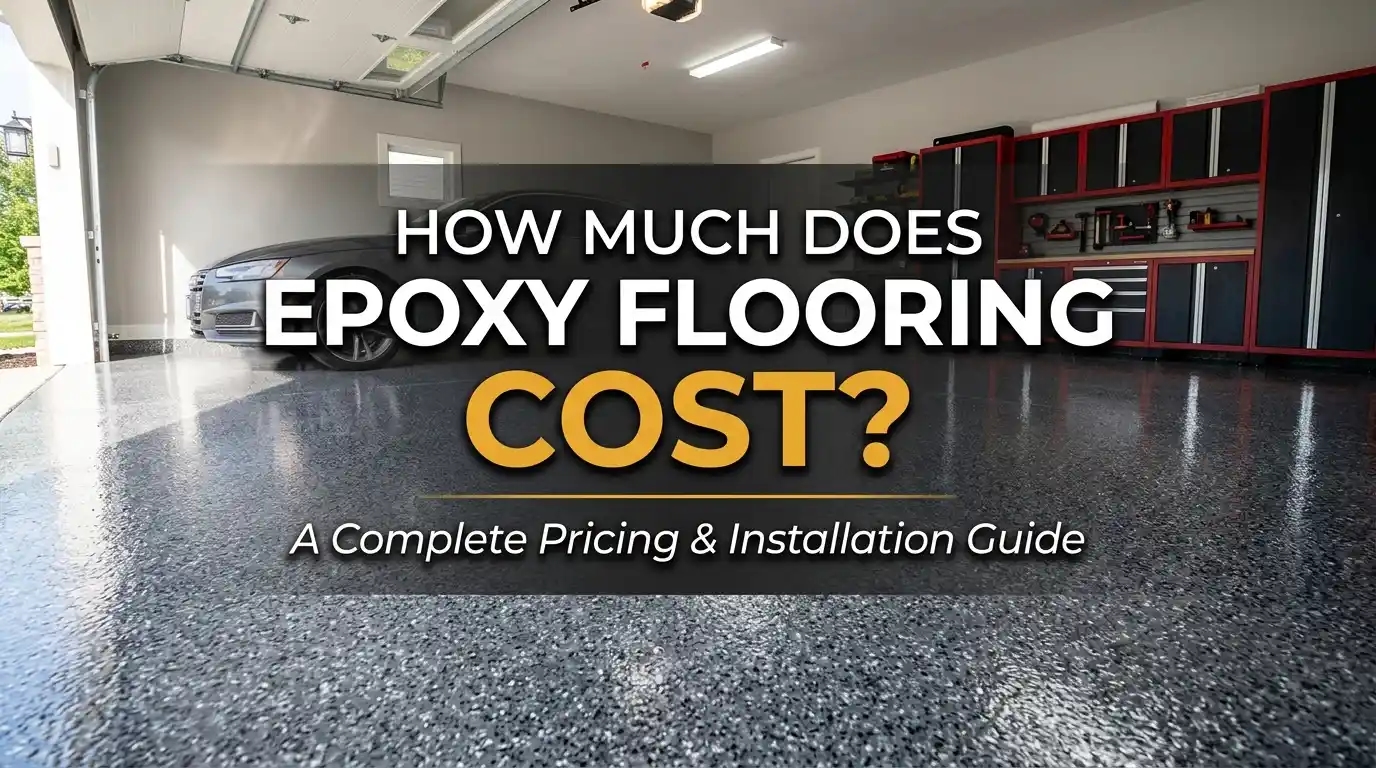
Epoxy flooring costs vary depending on the coating type, floor size, concrete condition, surface preparation and installation method. Basic epoxy coatings generally cost less than decorative flake systems, metallic finishes and heavy-duty industrial coatings. Labour, repairs and protective topcoats can also affect the total project cost.
In this blog, we explain how much epoxy flooring costs, including material prices, installation labour, different coating systems and additional expenses. You will also learn which factors affect epoxy flooring prices, how to compare installation quotes and how to choose a suitable coating for your space.
In this blog
- What is Epoxy Flooring?
- How Much Does Epoxy Flooring Cost Per Square Metre?
- Epoxy Flooring Cost by Application
- Epoxy Flooring Cost Comparison by Coating Type
- What Factors Affect the Cost of Epoxy Flooring?
- What Additional Costs Should You Include in an Epoxy Flooring Quote?
- How Much Does Epoxy Flooring Cost for Different Floor Sizes?
- Is Epoxy Flooring Worth the Cost?
- How Can You Reduce Epoxy Flooring Installation Costs?
- Why Professional Epoxy Flooring Installation Can Be Worth the Cost?
- Why Choose Gorkha Flooring for Your Flooring Project?
- Conclusion
- FAQS
What is Epoxy Flooring?
Epoxy flooring is a protective floor coating made by combining epoxy resin with a hardener to create a durable surface over concrete. The mixture forms a hard, bonded layer that can resist wear, stains and many common spills when properly installed and maintained. What is epoxy flooring and how does it perform? Epoxy flooring is available in different finishes, including solid colours, decorative flakes and metallic effects. It is commonly used in garages, commercial buildings, warehouses and other areas where a durable, easy-to-clean floor is required.
How Much Does Epoxy Flooring Cost Per Square Metre?
Epoxy flooring in Australia typically costs around 40-100 per m² for many professionally installed residential systems, while metallic and heavy-duty industrial systems can cost 100-180 or more per m². These indicative prices reflect Australian pricing guides available in October 2026 and may include materials, labour and surface preparation, depending on the quote.
1. Epoxy Flooring Material Cost Per m²
Epoxy flooring materials can cost approximately 15-25 per m² for some DIY kits, with professional-grade coating systems costing more depending on their formulation and coverage. The final material cost depends on the resin type, product quality, number of coats and required thickness. Complete system may include a concrete primer, an epoxy base coat and a protective topcoat. Decorative flakes, anti-slip additives and specialist primers can add to the material budget.
2. Epoxy Flooring Installation Labour Cost
Epoxy flooring labour costs depend on the preparation required, coating system, floor size and complexity of the installation. Installers may include labour in a combined supply-and-install price rather than list it separately per square metre. Concrete grinding, crack repairs, moisture testing and applying multiple coating layers all contribute to the work involved. Commercial and industrial projects may also require specialist coatings, stricter site preparation or after-hours work to minimise disruption. Request an itemised quote to understand how much you are paying for materials, preparation and installation.
DIY Epoxy Flooring vs Professional Installation Cost
DIY epoxy flooring usually costs less upfront, while professional installation generally costs more because it includes specialist preparation, application and labour. DIY kits can be suitable for small projects where the concrete is in good condition and the product instructions are followed carefully. However, grinding equipment, repairs, protective equipment and application tools may increase the total DIY cost. Professional installers can assess the concrete, select a suitable coating system and apply it according to the manufacturer's requirements. For floors with moisture problems, damage, heavy traffic or demanding commercial use, professional installation may help reduce the risk of coating failure and expensive rework.
Ready to Transform Your Home's Flooring?
Get expert guidance on carpets, hybrid, timber, vinyl & laminate flooring. Book a free in-home consultation with our specialists today!
Epoxy Flooring Cost by Application
Epoxy flooring costs vary by application because each space has different durability, finish and surface preparation requirements. A residential garage may need a decorative coating that withstands vehicle traffic, while a warehouse may require a thicker, heavy-duty system. Floor size, concrete condition, moisture levels and the type of epoxy also affect the total installation cost. Choosing a coating suited to the space helps balance upfront costs with long-term performance.
1. Epoxy Garage Floor Cost
Epoxy garage flooring costs depend on the garage size, concrete condition, coating system and desired finish. A single garage generally costs less to coat than a double garage because it requires less material and labour. However, oil stains, cracks and damaged concrete can increase preparation costs. Decorative flake finishes and protective topcoats may also raise the price while providing additional design options and surface protection. For garages exposed to vehicle traffic, choose a system rated for the expected load, abrasion and chemical exposure.
2. Residential Epoxy Flooring Cost
Residential epoxy flooring costs depend on the room size, decorative finish and suitability of the existing concrete. Homeowners may consider epoxy for selected interior areas, utility rooms and suitable basements where a hard, easy-to-clean surface is preferred. Solid-colour coatings usually involve a simpler finish than metallic designs or decorative flake systems. Before installation, the concrete must be checked for moisture, cracks and surface damage. Not every epoxy system is suitable for every indoor space, so product specifications and installation requirements should guide the choice.
3. Commercial Epoxy Flooring Cost
Commercial epoxy flooring costs vary according to floor area, foot traffic, finish requirements and the level of surface preparation needed. Retail stores, offices and showrooms may prioritise appearance, easy cleaning and resistance to everyday wear. Warehouses and other high-traffic facilities may require more durable systems suited to equipment movement and heavier use. Businesses should also consider how long the floor will need to remain out of service during installation and curing. Comparing quotes for the same coating specification makes it easier to assess the overall value.
4. Industrial Epoxy Flooring Cost
Industrial epoxy flooring generally costs more when the site requires heavy-duty coatings, specialised preparation or resistance to demanding operating conditions. Workshops and production facilities may need systems designed to withstand abrasion, impact, machinery traffic or exposure to specific chemicals. The appropriate coating depends on the substances used, operating temperatures and expected loads. Additional preparation, thicker applications and specialist primers can increase the project price. Always confirm that the proposed system meets the facility's performance and safety requirements before installation.
5. Epoxy Flooring Cost for Concrete Floors
Epoxy flooring costs on concrete depend on the slab's condition, moisture levels, surface preparation and compatibility with the selected coating. New concrete must be sufficiently cured and meet the product's moisture and surface requirements before coating. Existing concrete may need grinding, crack repairs, removal of old coatings or treatment for contamination. Moisture testing is important because excessive moisture can contribute to adhesion problems or coating failure.
Also Read: What Is Laminate Flooring?Epoxy Flooring Cost Comparison by Coating Type
Epoxy flooring costs in Australia vary by coating type, with basic systems generally costing less than decorative finishes and heavy-duty industrial applications. The table below compares indicative material-only and professionally installed prices in Australian dollars (AUD), using Australian pricing guides.
What Factors Affect the Cost of Epoxy Flooring?
The cost of epoxy flooring depends on the floor size, concrete condition, coating thickness, moisture levels, decorative finish and complexity of installation. Larger areas may reduce the cost per square metre, while damaged concrete and specialised coating systems can increase the total price. Labour, equipment, site access and additional preparation work also affect the final quote. Understanding these factors helps you compare quotes accurately and plan your flooring budget.
1. Floor Size and Total Area
The total floor area affects both the overall epoxy flooring cost and the price per square metre. Larger projects require more coating materials but may benefit from lower installation rates per square metre. Smaller projects can have higher per-square-metre costs because contractors may apply minimum service charges to cover travel, equipment and setup. Installers also account for material wastage, which can vary depending on the floor layout and coating system. Measuring the floor accurately helps you estimate the budget more realistically.
2. Concrete Floor Preparation
Concrete floor preparation affects epoxy flooring costs because the coating needs a clean, sound and suitably profiled surface to bond properly. Installers may use mechanical grinding to remove surface contaminants and prepare the concrete for application. Cracks, holes and uneven areas may require patching or repairs before coating begins. Existing paint, adhesives, oil and other contaminants can also increase preparation time and equipment costs. Skipping necessary preparation can lead to poor adhesion, peeling or premature coating failure.
3. Epoxy Thickness and Number of Coats
Epoxy flooring costs increase when a project requires thicker coatings, additional layers or a more complex coating system. Some applications need a primer, an epoxy base coat and a protective topcoat, while others require specialised multi-layer systems. The number of coats and the coverage rate determine how much product the installer needs. Thicker systems may provide performance benefits when specified for the intended use, but they also require suitable application methods and curing time. Always compare quotes based on the same coating thickness and product specifications.
4. Moisture Testing and Concrete Repairs
Moisture testing and concrete repairs can increase epoxy flooring costs when the slab has excessive moisture, damage or surface irregularities. Installers may test the concrete before application to determine whether conditions meet the coating manufacturer's requirements. Cracks, spalling and uneven sections may need repairs to create a suitable surface. Where moisture levels exceed the product's limits, a compatible moisture-mitigation system may be necessary. These additional steps increase upfront costs but can help reduce the risk of adhesion problems and coating failure.
5. Decorative Finishes and Custom Designs
Decorative finishes increase epoxy flooring costs when they require additional materials, specialist application techniques or extra protective layers. Solid-colour coatings often involve fewer design steps than metallic finishes or decorative flake systems. Flake floors require the appropriate base coat, decorative material and compatible topcoat, while metallic designs may need careful pigment placement to achieve the intended appearance. Gloss levels and slip-resistant additives can also affect product selection and application. Choose a finish that suits the space's appearance, cleaning requirements and expected foot traffic.
6. Accessibility and Installation Complexity
Difficult site access and complex floor layouts can increase epoxy flooring costs by adding labour, preparation time and equipment requirements. Installers may need to move furniture, machinery or stored items before preparing the concrete. Numerous corners, steps, drains and narrow sections can make coating application more time-consuming. Ventilation, working-hour restrictions and the need to minimise business disruption may also affect scheduling and labour costs. Clearing the area in advance and confirming access arrangements can help make installation more efficient.
Also Read: What Is Hybrid Flooring?What Additional Costs Should You Include in an Epoxy Flooring Quote?
Additional epoxy flooring costs may include concrete preparation, repairs, old coating removal, moisture treatment, decorative finishes and site clean-up. Some contractors include these services in their supply-and-install price, while others list them as separate charges depending on the floor's condition and the agreed scope of work. Before accepting a quote, check what the price covers, which tasks cost extra and whether GST applies. This helps you estimate the total project cost more accurately.
1. Concrete Grinding and Surface Preparation
Concrete grinding and surface preparation may be included in an installation quote or charged separately when extensive work is required. Standard preparation may cover basic cleaning and mechanical grinding, while heavily contaminated or uneven floors can require additional labour and equipment. Ask whether the quote specifies the preparation method and whether dust extraction is included. Confirming these details helps you avoid unexpected charges before the coating application begins.
2. Crack Filling and Concrete Repairs
Crack filling and concrete repairs are often charged separately when the existing floor needs more than minor preparation. Some installers include small repairs in their standard rates, but larger cracks, surface damage, spalling and extensive patching may require additional materials and labour. The cost depends on the damage's severity and the repair method needed. Ask the contractor to inspect the concrete and identify any repair allowances or exclusions before work starts.
3. Removal of Existing Paint or Floor Coatings
Removing existing paint, adhesive or old floor coatings may incur an additional charge if the work falls outside the contractor's standard preparation allowance. Light surface residue may be removed during routine grinding, but thick coatings, stubborn adhesives and incompatible materials can require more time and specialised equipment. Removal costs also depend on the floor area and the condition of the existing surface. Check whether the quote includes complete coating removal, disposal and any additional grinding needed afterwards.
4. Moisture Barriers and Primers
Moisture barriers and specialised primers can add to the cost when the concrete requires treatment before epoxy can be applied. A standard primer may already be included in the quoted coating system, but a moisture-mitigation product may cost extra if testing identifies excessive moisture. The contractor should confirm that the proposed products are compatible with the concrete and the selected epoxy system. Ask whether moisture testing, specialised primers and any required mitigation work are included in the price.
5. Decorative Flakes and Protective Topcoats
Decorative flakes and protective topcoats may be included in a package price or listed as optional upgrades. Basic epoxy coating may not include decorative flakes, a clear protective layer or anti-slip additives. Metallic effects, full-flake coverage and specialist topcoats can increase material and labour costs. Check the quote for the exact finish, flake coverage, number of coats and topcoat specification rather than assuming every epoxy system includes the same features.
6. Skirting, Edges and Floor Transitions
Skirting, floor edges and transitions may cost extra when the installation requires detailed finishing beyond the main floor area. The standard rate may cover only the horizontal floor surface, leaving vertical edges, steps, drains and adjoining floor transitions as separate items. Costs depend on the length of the edges, the materials used and the complexity of the layout. Ask whether these finishing details are included and whether the contractor will address transitions between the epoxy floor and adjacent surfaces.
7. Furniture Moving, Cleaning and Waste Disposal
Furniture moving, final cleaning and waste disposal may be excluded from an epoxy flooring quote unless the contractor specifically includes them. Some installers expect the property owner to clear the area before work begins, while others offer furniture or equipment moving for an additional fee. The quote should also clarify whether it includes removal of grinding dust, leftover materials and waste generated during preparation. Confirm who is responsible for clearing the floor, protecting nearby areas and preparing the space for use after the coating has cured.
Before approving a quote, request an itemised breakdown that separates the coating system, labour, preparation, repairs, optional finishes and any additional services. This makes it easier to compare contractors on the same scope of work rather than choosing solely by the lowest advertised price.
Also Read: What Is Timber Flooring?How Much Does Epoxy Flooring Cost for Different Floor Sizes?
Total cost of epoxy flooring depends on the floor area, coating system, concrete preparation and contractor's minimum charge. For this example, the estimates use indicative Australian installed rates of 45-80 per m² for solid-colour epoxy and 60-100 per m² for decorative flake flooring, including GST where specified by the pricing guide. Actual quotes may differ based on site conditions and the chosen system.
Is Epoxy Flooring Worth the Cost?
Epoxy flooring can be worth the cost when you need a durable, easy-to-clean surface that suits your property's traffic levels, appearance and maintenance requirements. It offers a range of colours and finishes for residential garages, commercial spaces and selected industrial environments. However, the value depends on correct concrete preparation, product selection and installation. Comparing epoxy with alternatives such as polished concrete and polyurethane coatings helps you determine which option best suits your budget and intended use.
Benefits of Epoxy Flooring
Epoxy flooring provides a hard, bonded surface that can offer durability, easy cleaning and decorative flexibility when the system is correctly specified and installed. Its seamless finish can simplify routine maintenance by reducing joints where dirt accumulates. Homeowners and businesses can choose from solid colours, decorative flakes and metallic effects to suit different interiors. Suitable epoxy systems can also withstand substantial foot traffic and certain vehicle or equipment loads. The actual performance depends on the coating formulation, thickness, substrate condition and maintenance practices.
Disadvantages and Limitations of Epoxy Flooring
Epoxy flooring has limitations, including installation downtime, sensitivity to unsuitable moisture conditions and the possibility of surface wear over time. Concrete preparation can be labour-intensive, and the floor must remain unused during application and curing. Excess moisture or poor surface preparation can cause adhesion problems, bubbling or peeling. Some coatings may also scratch, discolour under UV exposure or require repairs after prolonged heavy use. Choosing the correct product and following the manufacturer's maintenance instructions can help reduce these risks.
Epoxy Flooring vs Polished Concrete
Epoxy flooring is a coated surface, while polished concrete is an existing concrete slab mechanically refined to achieve a smooth finish. Epoxy may offer more colour choices and decorative effects, whereas polished concrete provides a natural concrete appearance without a conventional resin coating.
The initial cost of either option depends on the slab's condition, the finish and the preparation required. Polished concrete may need periodic maintenance or resealing, while damaged epoxy may require patching or recoating. Epoxy can suit spaces needing a particular colour or protective coating, while polished concrete may suit interiors that favour the look of exposed concrete.
Epoxy Flooring vs Polyurethane Floor Coatings
Epoxy and polyurethane floor coatings offer different performance characteristics, so the right choice depends on chemical exposure, abrasion, UV conditions and the intended application. Epoxy is often selected for its strong bond to properly prepared concrete and its range of coating thicknesses.
Certain polyurethane systems provide greater flexibility, abrasion resistance or UV stability, making them useful in applications where these properties are important. Costs vary by formulation and system design, so neither option is always cheaper or more durable. Some projects use compatible multi-layer systems that combine epoxy and polyurethane to achieve different performance benefits.
Before choosing a system, compare product specifications and the conditions the floor will face. A professional assessment can help determine whether epoxy, polyurethane, polished concrete or a compatible combination offers the most suitable long-term value.
How Can You Reduce Epoxy Flooring Installation Costs?
You can reduce epoxy flooring installation costs by comparing detailed quotes, preparing the concrete properly, choosing a suitable coating system and avoiding unnecessary decorative upgrades. Planning the work carefully can also reduce downtime and prevent avoidable labour charges. However, choosing the cheapest coating or skipping essential preparation may lead to premature damage and additional repair costs. The goal is to find a flooring system that meets your needs without paying for features or work your space does not require.
1. Compare Detailed Installation Quotes
Comparing itemised installation quotes helps you identify the actual cost of materials, labour, preparation and additional services. Ask each contractor to specify the coating type, number of coats, surface preparation method and protective topcoat. Check whether crack repairs, moisture testing, GST and waste disposal are included or charged separately. Comparing quotes with the same scope of work makes it easier to assess value rather than choosing based on the lowest headline price. Request clarification whenever a quote leaves important costs or specifications unclear.
2. Prepare the Concrete Floor Properly
Preparing the concrete floor before installation can reduce avoidable labour charges and help the coating perform as intended. Remove movable furniture, stored items and other obstacles before the installer arrives, provided doing so is safe and practical. Keep in mind that mechanical grinding, contamination removal and professional repairs should be completed by the installer or an appropriately qualified person when required. Do not apply epoxy over damp, damaged or unsuitable concrete just to save money. Proper preparation helps reduce the risk of peeling, adhesion problems and costly rework.
3. Choose a Coating System That Suits the Space
Choosing an epoxy system that matches the floor's intended use helps you avoid paying for unnecessary performance features. A residential garage may need a different coating specification from a warehouse exposed to heavy equipment, chemicals or frequent abrasion. Consider the expected traffic, cleaning routine, moisture conditions and surface finish before selecting a product. Heavy-duty systems can cost more, but a basic coating may not provide adequate performance in demanding environments. Ask the installer to recommend a system based on the actual conditions rather than choosing by price alone.
4. Avoid Paying for Unnecessary Decorative Features
Choosing a simple finish instead of elaborate decorative effects can reduce epoxy flooring material and installation costs. Solid-colour coatings may require fewer design steps than metallic finishes or decorative flake systems with extensive coverage. Custom patterns, multiple colours and additional protective layers can increase both product use and labour time. However, avoid removing essential primers, topcoats or slip-resistant additives simply to lower the price. Focus your budget on the features that improve the floor's appearance, safety and performance for its intended use.
5. Plan the Project to Reduce Downtime
Planning the installation schedule can help reduce disruption-related costs for homes and businesses. Clear the work area, arrange access and confirm the installation sequence before the contractor arrives. Businesses may be able to schedule work during quieter periods or planned closures to limit interruptions to daily operations. Allow sufficient time for preparation, application and curing before moving furniture, vehicles or equipment back onto the floor. Following the manufacturer's curing requirements is essential because using the surface too early can damage the coating and lead to additional expenses.
6. Consider Long-Term Maintenance Costs
Considering long-term maintenance costs helps you choose a coating that offers better value over its expected service life. Compare the initial installation price with the cleaning requirements, expected wear, repair options and potential recoating needs. Cheaper coating may cost more over time if it is unsuitable for the traffic or exposure conditions. Ask the installer about routine maintenance, compatible cleaning products and the manufacturer's recommendations for repairs. Selecting a suitable system and maintaining it correctly can help preserve the finish and reduce avoidable replacement costs.
What Is Vinyl Flooring?Why Professional Epoxy Flooring Installation Can Be Worth the Cost?
Professional epoxy flooring installation can be worth the cost because experienced installers can prepare the concrete, select suitable products and apply the coating according to manufacturer requirements. These steps help reduce the risk of adhesion problems, uneven finishes and premature coating failure. Professional installation is particularly valuable for damaged concrete, moisture concerns and floors exposed to heavy traffic.
Proper concrete preparation: Professional installers use suitable grinding and cleaning methods to create a surface that supports proper coating adhesion.
Moisture assessment and testing: Checking moisture conditions helps identify potential problems before installation and determine whether additional treatment is necessary.
Correct primer and coating selection: Installers can recommend products based on the concrete condition, expected traffic and environmental exposure.
Consistent application: Applying the coating at the specified thickness helps achieve a more uniform finish and the intended performance.
Appropriate curing: Following the manufacturer's curing requirements helps the coating develop its specified properties before the floor is used.
Suitable slip resistance and protective finish: Installers can select compatible additives and topcoats based on the intended use, cleaning routine and safety requirements.
Compliance with product specifications: Professional installation follows the product's requirements for surface preparation, application conditions, coverage and maintenance, helping reduce avoidable installation problems.
Why Choose Gorkha Flooring for Your Flooring Project?
Gorkha Flooring supplies and installs a range of flooring options for residential and commercial properties, helping customers select products based on their space, lifestyle and budget. Choosing a flooring provider that offers both supply and installation can simplify product selection and project coordination. The right flooring also depends on room conditions, expected foot traffic, moisture exposure and maintenance requirements.
Flooring supply and installation: Explore flooring products with installation services available for suitable residential and commercial projects.
Product selection assistance: Get guidance on choosing flooring based on your preferred appearance, budget and practical requirements.
Room-specific recommendations: Consider how moisture exposure, daily use and foot traffic affect the suitability of different flooring materials.
Subfloor preparation: Discuss the preparation required to create a suitable surface before installation, based on the selected product and agreed scope of work.
Project-specific quotations: Request a quote based on the flooring type, project size, site conditions and installation requirements.
Residential and commercial solutions: Explore flooring options suited to different property types and intended uses.
Discuss your flooring requirements: Contact Gorkha Flooring to discuss your project, compare suitable flooring options and understand the next steps for supply and installation.
Conclusion
Epoxy flooring costs in Australia depend on the coating type, floor size, concrete condition and installation requirements. Basic systems generally cost less than decorative flake, metallic and heavy-duty industrial coatings. Additional expenses, such as concrete grinding, crack repairs, moisture treatment and protective topcoats, can also increase the total project price. Comparing detailed quotes helps you understand what each installer includes and avoid unexpected charges.
Before choosing an epoxy coating, consider your space's intended use, expected traffic, maintenance needs and long-term performance. Professional installation can help ensure proper preparation, application and curing. If you are comparing flooring options for your property, contact Gorkha Flooring to discuss your requirements and explore suitable flooring solutions.
FAQS
How much does epoxy flooring cost per m²?
Epoxy flooring in Australia typically costs around 40–100 per m² for many professionally installed systems. Basic DIY materials may cost approximately 8–25 per m², depending on the product and coverage. Decorative and industrial systems can cost more, particularly when they require extensive preparation or specialist finishes. Always confirm whether a quote includes materials, labour, GST and concrete preparation.
How much does it cost to epoxy a double garage?
Epoxy flooring for a double garage can cost approximately 1,200–2,000 for a 20 m² decorative flake system, based on an illustrative rate of 60–100 per m². A larger garage will cost more, while minimum charges and concrete repairs can affect the total. Oil stains, cracks, grinding requirements and protective topcoats may also increase the price. Ask the installer to measure the garage and provide a quote based on its actual condition.
Is DIY epoxy flooring cheaper than professional installation?
DIY epoxy flooring usually costs less upfront because you avoid professional installation labour. However, you may need to purchase or hire grinding equipment, cleaning supplies and protective equipment. Incorrect mixing, poor preparation or uneven application can cause coating failure and expensive rework. Professional installation generally costs more initially but may be worthwhile for damaged concrete, moisture concerns or demanding applications.
How long does epoxy flooring last?
Epoxy flooring can last several years or longer, depending on the coating system, installation quality, traffic and maintenance. A residential garage used by a few vehicles may experience different wear from a busy commercial or industrial floor. Proper concrete preparation, suitable coating selection and routine cleaning can help extend its service life. Heavy traffic, chemical exposure, moisture problems and inadequate installation may shorten it.
Does epoxy flooring increase property value?
Epoxy flooring may improve a property's appearance and practicality, but it does not guarantee an increase in resale value. A clean, durable garage or well-finished commercial space may appeal to some buyers. However, the effect depends on the property's overall condition, local market preferences and the quality of the installation. Consider the coating's usefulness and maintenance benefits rather than relying on a guaranteed financial return.
Is epoxy flooring waterproof?
Epoxy flooring can create a water-resistant surface, but it does not automatically make the entire floor or building waterproof. Performance depends on the coating system, application quality, joints, cracks and the condition of the concrete underneath. Moisture rising through a slab can also cause adhesion problems if it is not properly addressed. Areas requiring waterproofing, such as certain wet rooms, need a system specifically designed and approved for that purpose.
How long does epoxy flooring take to install and cure?
Epoxy flooring installation may take one or more days, with additional time required for curing before the surface can be used. The schedule depends on floor preparation, repairs, the number of coats, environmental conditions and the selected product. Some systems permit light foot traffic after around 24 hours, while vehicle traffic may need to wait several days. Always follow the manufacturer's instructions for recoat intervals, walking, driving and full chemical curing.