
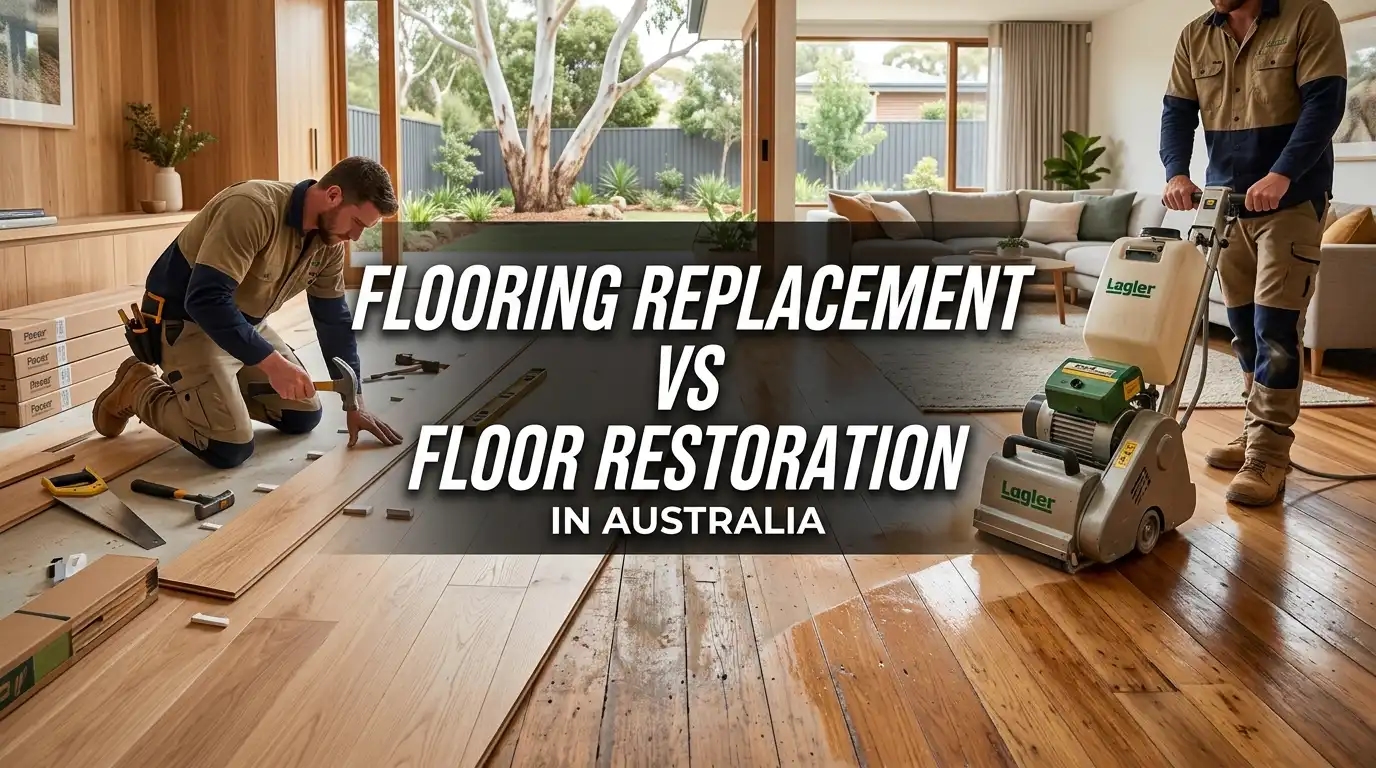
Flooring Replacement vs Floor Restoration in Australia: Which Is More Cost-Effective?
An aging or damaged floor does not always need to be replaced. Floor restoration can often improve the appearance and extend the life of an existing floor, while replacement may be necessary when the flooring is severely damaged, outdated or no longer suitable for the space. Understanding the difference can help Australian homeowners avoid unnecessary costs.
In this blog, we compare flooring replacement vs floor restoration in Australia, including typical costs, benefits, disadvantages and the factors that affect the final price. You will also learn which flooring types can be restored, when replacement makes more sense, and how to choose the most cost-effective option for your home.
In this blog
- What Is the Difference Between Flooring Replacement and Floor Restoration?
- Is Floor Restoration Cheaper Than Flooring Replacement in Australia?
- Flooring Replacement vs Floor Restoration: Cost Comparison
- What Are the Benefits of Floor Restoration?
- What Are the Disadvantages of Floor Restoration?
- What Are the Benefits of Flooring Replacement?
- What Are the Disadvantages of Flooring Replacement?
- When Should You Restore Your Existing Flooring?
- When Should You Replace Your Flooring?
- Floor Restoration vs Replacement for Different Flooring Types
- How Do You Decide Between Flooring Restoration and Replacement?
- Flooring Replacement vs Restoration: Which Option Offers Better Long-Term Value?
- Hidden Costs to Consider Before Restoring or Replacing Flooring
- Step-by-Step Guide to Choosing Between Flooring Restoration and Replacement
- Who Provides Flooring Replacement and Flooring Restoration Service in Australia?
- Conclusion
- FAQS
What Is the Difference Between Flooring Replacement and Floor Restoration?
Flooring replacement involves removing the existing flooring and installing a new flooring system, while floor restoration improves the condition and appearance of existing flooring when the underlying material remains suitable. Restoration generally focuses on repairing and refinishing what is already there, whereas replacement involves new materials, installation and often additional subfloor preparation.
1. What Does Floor Restoration Involve?
Floor restoration focuses on repairing, refreshing and protecting existing flooring rather than removing it completely. Depending on the flooring type and its condition, the process may include sanding, polishing, refinishing, surface repairs, stain or colour restoration, and recoating or sealing. The goal is to improve the floor's appearance while extending its usable life.
2. What Does Flooring Replacement Involve?
Flooring replacement involves removing the existing flooring and installing a new product suitable for the space. Processes may include inspecting and preparing the subfloor, selecting new flooring, professional installation, and completing trims, transitions and other finishing work. Replacement also provides an opportunity to change the flooring's appearance, performance and overall design.
3. Which Flooring Types Can Be Restored?
Solid timber flooring: Often suitable for sanding, polishing and refinishing when sufficient material remains.
Engineered timber: Some products can be restored, depending on the thickness of the top timber layer.
Hardwood flooring: Many hardwood floors can be sanded, repaired and refinished when structurally sound.
Reclaimed timber: Can sometimes be restored with suitable sanding and surface repairs.
Other repairable surfaces: Some flooring products may allow limited repairs or refinishing depending on their construction and condition.
Laminate, hybrid and vinyl: Generally cannot be sanded and refinished like timber, so damaged areas may require repair or replacement.
Is Floor Restoration Cheaper Than Flooring Replacement in Australia?
Floor restoration can cost less than flooring replacement when the existing floor is structurally sound and mainly needs sanding, repairs or refinishing. However, replacement may provide better long-term value when the flooring has severe damage, significant moisture issues or is nearing the end of its usable life. Total cost depends on the flooring type, floor area, labour and preparation required.
1. Average Floor Restoration Costs in Australia
Average cost of floor restoration in Australia depends on the condition of the existing flooring and the work required. Sanding, polishing and refinishing are common restoration services, while damaged floors may require additional repairs, staining or protective coatings. Labour costs can also vary based on the size, condition and accessibility of the floor.
2. Average Flooring Replacement Costs in Australia
Flooring replacement usually involves more cost components because the existing floor may need to be removed before the new flooring is installed. Costs can include new flooring materials, professional installation, removal and disposal, subfloor preparation, trims, transitions and finishing work. Final price varies considerably between hybrid, vinyl, laminate, timber, carpet and tile flooring.
3. What Factors Affect the Total Flooring Cost?
Floor area: Larger areas require more flooring materials, preparation and installation labour.
Flooring type: Material prices and installation requirements vary between timber, hybrid, vinyl, laminate, carpet and tiles.
Condition of existing flooring: Extensive damage can increase restoration, removal or preparation costs.
Labour: Project complexity, installation method and local labour rates can affect the total price.
Subfloor condition: Uneven, damaged or moisture-affected subfloors may require additional preparation.
Accessibility and finishing: Stairs, narrow areas, furniture, trims, transitions and other finishing requirements can increase the overall cost.
Flooring Replacement vs Floor Restoration: Cost Comparison
Floor restoration and flooring replacement have different cost structures, with restoration generally requiring fewer new materials while replacement involves purchasing and installing an entirely new flooring system. Comparing each cost factor can help homeowners understand why one option may be more affordable initially and which expenses may affect the overall project budget.
What Are the Benefits of Floor Restoration?
Benefits of floor restoration include lower upfront costs, preserving original timber flooring, improving appearance, reducing flooring waste and extending the usable life of existing floors. Restoration can be a practical option when the underlying flooring remains structurally sound but has developed scratches, surface wear, fading or other cosmetic issues. It can improve the condition of the floor without the cost and disruption of complete replacement.
1. Lower Upfront Costs
Floor restoration can have lower upfront costs because the existing flooring is retained rather than replaced with new materials. Expenses are generally focused on sanding, repairs, refinishing and labour rather than purchasing an entirely new flooring system. However, the final cost still depends on the floor's condition and the level of restoration required.
2. Preserves Original Timber Flooring
Restoration allows homeowners to retain the natural character and existing floorboards of timber flooring. This can be particularly useful in older Australian homes where original hardwood floors contribute to the property's character and appearance. Rather than removing these materials, restoration can refresh their condition while maintaining their existing character.
3. Improves Appearance
Sanding and refinishing can significantly improve the appearance of worn timber flooring by removing surface marks, scratches and signs of everyday wear. New stain, polish or protective finish can also refresh the colour and overall appearance of the floor. This can make an older floor look cleaner, brighter and more consistent.
4. Reduces Flooring Waste
Floor restoration can reduce flooring waste because structurally sound materials remain in use instead of being removed and discarded. Keeping existing floorboards in place can reduce the amount of flooring material sent to landfill during a renovation. For homeowners looking for a more resource-efficient flooring approach, restoration can be an alternative to unnecessary replacement.
5. Extends the Life of Existing Floors
Professional sanding, refinishing and protective coatings can help extend the usable life of suitable existing flooring. Restored floors can also benefit from appropriate cleaning and ongoing maintenance to protect the surface from further wear. This can delay the need for replacement when the underlying flooring remains structurally sound.
What Are the Disadvantages of Floor Restoration?
Disadvantages of floor restoration include limited suitability for severely damaged flooring, restrictions on how much existing damage can be repaired, dust and disruption during the process, and results that depend heavily on the condition of the existing floor. Restoration can improve suitable flooring, but it cannot correct every structural or moisture-related problem. Assessing the floor before restoration is important to determine whether refinishing is practical.
1. Not Suitable for Severely Damaged Flooring
Floor restoration may not be suitable when flooring has significant structural damage, excessive wear, rot or serious moisture damage. In these situations, sanding and refinishing may only improve the surface temporarily without addressing the underlying problem. Replacement may be necessary when the flooring has lost its structural integrity or can no longer provide reliable performance.
2. Restoration Has Limits
Restoration cannot always remove deep stains, severe warping or extensive physical damage from existing flooring. Missing, split or badly damaged boards may also require individual repairs before restoration can proceed. If too much of the flooring is affected, the combined repair and restoration work may become less practical than installing new flooring.
3. Dust, Noise and Disruption
Floor restoration can create dust and noise, particularly during the sanding stage. Room may also need to remain unused while stains, coatings or finishes are applied and allowed to dry or cure. Furniture may need to be removed, and homeowners should plan for temporary restrictions on using the restored area.
4. Results Depend on Existing Floor Condition
Final result depends heavily on the quality, thickness and previous history of the existing flooring. Previous coatings, repeated sanding, damaged boards and insufficient timber thickness can affect how successfully a floor can be restored. Professional assessment can help determine whether the existing flooring has enough usable material and suitable condition for another restoration.
Ready to Transform Your Home's Flooring?
Get expert guidance on carpets, hybrid, timber, vinyl & laminate flooring. Book a free in-home consultation with our specialists today!
What Are the Benefits of Flooring Replacement?
Benefits of flooring replacement include a complete design transformation, access to newer and more durable materials, a practical solution for severely damaged floors and a wider choice of flooring options. Replacing existing flooring can address problems that restoration cannot resolve while also allowing homeowners to change the appearance and performance of a room. Right replacement flooring can be selected based on moisture exposure, traffic, maintenance needs and budget.
1. Complete Design Transformation
Flooring replacement provides an opportunity to significantly change the appearance of a room or an entire home. Homeowners can choose new colours, patterns, textures and modern finishes that better suit their interior design. Replacing outdated flooring can also help create a more consistent look across renovated spaces or complement other changes made during a home renovation.
2. Better Performance With New Materials
New flooring products can provide performance features that may not be available from older flooring. Depending on the product, homeowners can choose options with improved durability, moisture resistance, scratch resistance and modern wear layers. This can be useful in high-traffic areas or rooms where the existing flooring no longer meets everyday performance requirements.
3. Suitable When Existing Flooring Is Beyond Repair
Replacement can be a practical solution when existing flooring has severe damage that cannot be effectively addressed through restoration. Significant water damage, structural problems, widespread deterioration or extensive wear may make continued use unsuitable. Installing new flooring also allows underlying subfloor issues to be inspected and addressed before the new product is fitted.
4. Greater Flooring Choice
Flooring replacement gives homeowners access to a wide range of materials, designs and performance characteristics. Most suitable option can be selected according to the room, lifestyle, maintenance requirements and budget.
Hybrid flooring: A durable option available in a range of timber-look designs.
Vinyl flooring: Available in different styles and suitable options for areas requiring moisture resistance.
Laminate flooring: Provides a wide selection of colours, patterns and timber-look finishes.
Engineered timber: Offers the appearance of natural timber with a constructed flooring system.
Carpet: Provides softness, warmth and acoustic benefits for suitable rooms.
Tiles: Available in ceramic, porcelain and other formats for areas requiring durable, hard-wearing surfaces.
What Are the Disadvantages of Flooring Replacement?
Disadvantages of flooring replacement include a higher initial investment, the need to remove existing flooring, greater installation disruption and potentially more flooring waste. Replacing a floor involves more than purchasing new materials, as removal, disposal, subfloor preparation and installation can all add to the project cost and time. These factors should be considered when comparing replacement with restoration.
1. Higher Initial Investment
Flooring replacement generally requires a larger upfront investment because homeowners need to purchase new flooring materials and pay for professional installation. Additional costs may include removing the existing flooring, disposing of waste and preparing the subfloor. Total investment varies depending on the flooring type, floor area and condition of the existing surface.
2. Existing Flooring Must Be Removed
Replacing flooring usually requires the existing material to be removed before the new product can be installed. This can add labour and disposal costs, particularly when flooring is difficult to lift or has been permanently adhered to the subfloor. Removing the old flooring can also reveal subfloor damage or uneven areas that require additional repairs before installation.
3. More Installation Disruption
Floor replacement can cause more disruption because furniture and household items may need to be moved before work begins. Rooms may have restricted access while old flooring is removed, the subfloor is prepared and the new flooring is installed. Larger projects may also require more planning to minimise disruption to everyday household activities.
4. Potentially More Flooring Waste
Flooring replacement can generate more waste because the existing flooring is removed and new materials are cut to fit the space. Disposal of old flooring can add to project costs, while packaging and installation offcuts can create additional waste. Amount depends on the existing flooring, installation method, room layout and how much material can be reused or recycled.
When Should You Restore Your Existing Flooring?
You should consider restoring your existing flooring when it is structurally sound, the damage is mainly cosmetic, the timber has enough thickness for sanding, and you want to preserve the original floor. Restoration can also make financial sense when the existing flooring remains suitable and your budget does not justify complete replacement. Professional assessment can help determine whether restoration will deliver the desired result.
1. The Floor Is Structurally Sound
Restoration is generally more suitable when the existing flooring remains stable, secure and structurally sound. Minor gaps, surface wear and other manageable imperfections may be addressed during the restoration process. If the floor has serious movement, rot, widespread deterioration or structural problems, restoration alone may not be sufficient.
2. Surface Damage Is Mainly Cosmetic
Existing flooring can be a good candidate for restoration when most of the damage is limited to scratches, fading, worn finishes, minor stains or general surface deterioration. Sanding and refinishing can refresh the visible surface without removing the entire flooring system. This approach can improve the appearance while retaining the underlying material.
3. Timber Has Sufficient Thickness for Sanding
Timber flooring needs sufficient remaining thickness for sanding because the process removes a small amount of material from the surface. Floors that have already been sanded several times may have limited material remaining and may not be suitable for further sanding. Flooring professionals can assess the boards and determine whether another restoration is appropriate.
4. You Want to Preserve Original Flooring
Restoration can be particularly suitable when you want to retain original timber flooring and its natural character. Older Australian homes may contain hardwood floors that contribute to the property's existing appearance and character. Restoring these boards can refresh their condition without replacing a material that may still have considerable usable life.
5. Your Budget Favours Restoration
Restoration may be worth considering when your budget is limited but the existing flooring remains suitable for continued use. Keeping the existing material can reduce the need for new flooring purchases and may lower some project costs. However, restoration should still be compared with replacement quotes to determine which option provides better value for the property's needs.
When Should You Replace Your Flooring?
You should consider replacing your flooring when it has severe structural damage, significant water or moisture damage, cannot be repaired effectively, no longer suits your desired style, or has reached the end of its usable life. While restoration can improve suitable existing flooring, some conditions make replacement more practical and reliable. Assessing the condition of the flooring and subfloor can help determine whether replacement is necessary.
1. The Flooring Has Severe Structural Damage
Flooring with extensive structural damage may no longer provide a stable or reliable surface. Problems such as broken boards, significant movement, widespread deterioration or severe damage beneath the surface can make restoration impractical. In these situations, replacing the flooring can provide an opportunity to address underlying problems and install a suitable new flooring system.
2. There Is Significant Water or Moisture Damage
Significant water or moisture damage can affect both the flooring and the materials beneath it. Prolonged exposure may cause swelling, warping, deterioration, mold or other problems depending on the flooring type. Choosing waterproof flooring can help reduce the risk of moisture-related damage in suitable areas, but when moisture has caused extensive damage that cannot be effectively repaired, replacement may be required after the underlying moisture issue has been identified and addressed.
3. Flooring Cannot Be Repaired Effectively
Replacement may be more appropriate when the cost or extent of repairs becomes disproportionate to the remaining life of the flooring. Extensive stains, damaged sections, missing boards, warping or widespread wear may limit what restoration can achieve. If repairs would still leave the floor with poor appearance or performance, installing new flooring may provide a more practical solution.
4. You Want a Completely Different Flooring Style
Floor replacement allows you to make a significant change to the appearance, feel and performance of a room. Homeowners can move from carpet to hybrid, timber to vinyl, or outdated flooring to a more modern design. This can be useful during major renovations when the existing flooring no longer matches the home's interior design or functional requirements.
5. The Existing Flooring Has Reached the End of Its Service Life
Flooring that has reached the end of its expected service life may require frequent repairs and maintenance while providing declining performance. Signs can include widespread wear, deterioration, repeated damage and difficulty maintaining the floor's appearance. Replacing it with a suitable modern flooring product can provide a new surface designed around the home's current needs.
Floor Restoration vs Replacement for Different Flooring Types
Whether flooring should be restored or replaced depends heavily on the flooring material, the type of damage and how much usable life remains. Timber flooring can often be sanded and refinished, while laminate, hybrid and vinyl generally have more limited restoration options. Understanding how each flooring type responds to damage can help determine the most practical approach.
1. Timber Flooring
Timber flooring is one of the flooring types most commonly suited to restoration. Sanding, polishing and refinishing can remove surface wear and refresh the appearance of suitable timber floors. However, severely damaged, rotten, warped or extensively deteriorated boards may need to be repaired or replaced rather than simply refinished. Thickness and previous sanding history should also be assessed before restoration.
Explore Our Timber Flooring2. Engineered Timber Flooring
Engineered timber flooring may be restorable, but its suitability depends largely on the thickness of its natural timber wear layer. Thicker wear layer may allow sanding and refinishing, while thinner products may not have enough material for repeated restoration. If the surface is severely damaged or the wear layer is insufficient for sanding, replacing the affected flooring may be more practical.
3. Laminate Flooring
Laminate flooring generally has limited restoration options because its decorative surface cannot usually be sanded and refinished like natural timber. Minor surface issues may sometimes be repaired depending on the product, but significantly damaged boards often need to be replaced. Where damage is widespread or the flooring is approaching the end of its usable life, full replacement may be more practical.
Explore Our Laminate Flooring4. Hybrid Flooring
Hybrid flooring typically offers limited restoration because its wear layer and decorative surface are manufactured as part of the flooring system. Individual damaged boards or planks may be replaceable when matching products are available. If there is widespread wear, extensive water damage or significant surface deterioration, replacing a larger section or the entire floor may be more appropriate.
Explore Our Hybrid Flooring5. Vinyl Flooring
Vinyl flooring may allow certain surface repairs depending on the product and extent of damage. Individual vinyl planks or tiles can sometimes be replaced without removing the entire floor, particularly with modular products. However, widespread damage, lifting, moisture problems or an outdated floor may make complete replacement a more practical and cost-effective solution.
Explore Our Vinyl Flooring6. Carpet
Carpet can often be maintained through professional cleaning and targeted repairs when the underlying material remains in reasonable condition. Small damaged areas, seams or localised wear may be repairable, while extensive staining, fraying, thinning or permanent damage may require replacement. Carpet's age, condition, availability of matching material and overall appearance should be considered before deciding between repair and replacement.
Explore Our Carpet InstallationHow Do You Decide Between Flooring Restoration and Replacement?
You can decide between flooring restoration and replacement by assessing the existing floor's condition, identifying the type of damage, checking for moisture, comparing quotes, considering expected lifespan, and weighing short-term cost against long-term value. Your desired appearance and the performance you need from the flooring should also influence the decision. Professional assessment can help identify whether restoration is practical or replacement is more suitable.
1. Assess the Condition of the Existing Floor
Start by examining the overall condition of the existing flooring, including visible wear, damage, movement and deterioration. Consider whether the floor remains stable and usable or whether problems are affecting its performance. Flooring material, age and previous repairs should also be considered before deciding whether restoration can deliver a suitable result.
2. Identify Structural vs Cosmetic Damage
Determine whether the main problems are cosmetic or structural. Scratches, fading, minor stains and worn finishes may often be addressed through restoration, while broken boards, severe warping or widespread deterioration may require replacement. Understanding the type and extent of damage helps prevent investing in restoration when the underlying flooring is no longer suitable.
3. Check for Moisture Problems
Moisture should be assessed before either restoring or replacing flooring, particularly in areas exposed to water or humidity. Water damage can affect the flooring as well as the subfloor and may continue to cause problems if the source is not addressed. Any moisture issue should be identified and resolved before new flooring or restoration work begins.
4. Compare Restoration and Replacement Quotes
Obtaining quotes for both options can provide a clearer picture of the actual costs involved. Restoration quote may include sanding, repairs, refinishing and coatings, while a replacement quote may include removal, new materials, subfloor preparation and installation. Comparing the full scope of each quote is more useful than comparing the headline price alone.
5. Consider Expected Lifespan
Consider how long the existing flooring is likely to remain suitable after restoration and compare this with the expected lifespan of a new flooring product. Lower restoration cost may not provide the same value if extensive maintenance or another replacement will be needed soon. Expected durability should be considered alongside the initial project cost.
6. Compare Short-Term Cost With Long-Term Value
The cheapest option initially is not necessarily the most cost-effective over time. Consider maintenance, future repairs, durability, replacement frequency and the performance of the flooring after the work is completed. Comparing these factors can help determine whether spending more on replacement could provide greater long-term value.
7. Consider Your Desired Appearance and Flooring Performance
Your preferred appearance and performance requirements should also influence the decision. Restoration can preserve the character of existing timber, while replacement provides greater flexibility in colours, styles, materials and performance features. Consider factors such as moisture resistance, durability, comfort, maintenance and the way each room will be used before making a final choice.
Also Read: Can you use same flooring in entire house?Flooring Replacement vs Restoration: Which Option Offers Better Long-Term Value?
Neither flooring restoration nor replacement always offers better long-term value; the right choice depends on the existing floor's condition, expected lifespan, maintenance needs, durability, future repair costs and the property's requirements. Restoration can provide strong value when the existing flooring is structurally sound, while replacement may make more sense when the floor is severely damaged or nearing the end of its usable life. Looking beyond the initial price can help homeowners make a more practical decision.
1. Initial Cost
Initial cost is an important consideration, but it should not be the only factor when comparing restoration with replacement. Restoration can cost less when the existing flooring only requires sanding, repairs or refinishing, while replacement involves new materials, removal and installation. Comparing the complete project costs can provide a clearer picture of the initial investment.
2. Expected Lifespan
Consider how long the flooring is likely to remain in good condition after restoration or replacement. Suitable timber floors may continue providing many years of service after professional restoration, while a new flooring product also has an expected service life that varies by material and quality. The remaining life of the existing floor should be compared with the expected life of the proposed replacement.
3. Maintenance Requirements
Maintenance requirements can influence the long-term cost and practicality of either option. Restored floors may require appropriate cleaning, recoating or periodic maintenance to preserve their appearance and surface protection. New flooring can also have specific cleaning and maintenance requirements, so homeowners should consider how much ongoing care each option requires.
4. Durability
Durability depends on the condition of the existing floor and the characteristics of the replacement product. Structurally sound timber floor may remain durable after restoration, while modern flooring products can offer features suited to high-traffic, moisture-prone or frequently used areas. The flooring should be selected according to the conditions and demands of each room.
5. Future Repair Costs
Future repair costs should be considered when assessing long-term value. An older floor that requires frequent repairs may become more expensive to maintain even if restoration has a lower initial cost. Conversely, restoring a suitable existing floor may delay the need for replacement and reduce unnecessary expenditure when the underlying flooring remains in good condition.
6. Property Appearance and Resale Considerations
Flooring can influence the overall appearance and presentation of a property, particularly during renovation or preparation for sale. Restoring original timber may preserve character in older Australian homes, while new flooring can provide a modern appearance and address outdated or visibly damaged surfaces. Choice should consider the property's style, condition and the expectations of its intended occupants or future buyers.
Also Read: Flooring for apartments in AustraliaHidden Costs to Consider Before Restoring or Replacing Flooring
Hidden costs of flooring restoration or replacement can include flooring removal, subfloor repairs, moisture treatment, trims, transitions, furniture preparation and unexpected repairs discovered during the work. These expenses may not always appear in an initial flooring quote but can affect the final project cost. Understanding them beforehand can make it easier to compare quotes and set a realistic renovation budget.
1. Existing Flooring Removal and Disposal
Floor replacement may require the existing flooring to be lifted, removed and disposed of before installation can begin. Labour requirements can vary depending on how the flooring was installed and how difficult it is to remove. Disposal fees may also apply, particularly when large quantities of old flooring and associated materials need to be taken away.
2. Subfloor Repairs and Levelling
Subfloor needs to provide a suitable, stable and reasonably level surface for many flooring systems. During removal or inspection, contractors may discover cracks, uneven areas, damaged sections or other preparation requirements. Proper subfloor preparation may involve repairs, levelling compounds or additional work, which can therefore increase the overall flooring project cost.
3. Moisture Testing and Treatment
Moisture problems can affect flooring performance and may need to be investigated before restoration or replacement. Testing can identify moisture within the subfloor or surrounding areas, while treatment may be required if an underlying moisture issue is found. Addressing the source before installing new flooring can help reduce the risk of future damage.
4. Skirting Boards and Trims
Flooring work can affect existing skirting boards, trims and other finishing elements around the room. Some may need to be removed and refitted, modified or replaced to achieve a clean finish with the new floor height. Cost can depend on the material, design and amount of finishing work required.
5. Transitions Between Flooring Types
Changes between different flooring materials may require transition strips, thresholds or other finishing profiles. These can be particularly relevant when new flooring meets existing carpet, tiles or another flooring system. Number of transitions, difference in floor height and selected materials can all affect the final cost.
6. Furniture Removal and Room Preparation
Furniture and household items may need to be removed before flooring work begins, particularly when the entire floor area needs to be accessed. Depending on the project, homeowners may need to arrange their own furniture removal or pay for additional preparation services. Clearing the space can also help installers complete the work more efficiently.
7. Additional Repairs Discovered During Installation
Removing existing flooring can reveal problems that were not visible beforehand, such as damaged subfloor sections, deteriorated boards, uneven surfaces or moisture-related issues. These unexpected repairs can increase both the project cost and completion time. Allowing some budget for unforeseen work can help avoid delays if additional problems are discovered.
Also Read: Flooring for wet areas in AustraliaStep-by-Step Guide to Choosing Between Flooring Restoration and Replacement
Choosing between flooring restoration and replacement involves assessing the existing floor, identifying damage and moisture issues, comparing professional quotes, and considering both immediate costs and long-term performance. Structured assessment can help determine whether the existing flooring is worth preserving or whether installing new flooring would provide better value. Decision should also consider the home's design, lifestyle and future flooring requirements.
1. Inspect the Existing Flooring
Begin by examining the flooring for visible wear, scratches, stains, cracks, movement, warping and other signs of deterioration. Consider the flooring type, age and previous maintenance or restoration work. Thorough inspection can help establish whether the existing floor remains suitable for restoration or may require more extensive work.
2. Identify Damage and Moisture Issues
Determine whether the flooring has cosmetic damage or more serious structural problems. Look for signs of water or moisture exposure, including swelling, staining, mold, warping or deterioration. Identifying the cause of any moisture problem is important because restoring or replacing flooring without addressing the underlying issue may lead to further damage.
3. Determine Whether the Floor Can Be Restored
Assess whether the existing flooring has enough usable material and remains structurally suitable for restoration. Timber floors may be candidates for sanding and refinishing, while laminate, hybrid and vinyl generally have more limited restoration options. Flooring's condition, thickness, previous sanding history and extent of damage should all be considered.
4. Get Restoration and Replacement Quotes
Request quotes for both restoration and replacement when either option appears practical. Restoration quote may include sanding, repairs, refinishing and protective coatings, while a replacement quote can include removal, materials, subfloor preparation and installation. Comparing both options gives you a clearer understanding of the total investment required.
5. Compare Material and Labour Costs
Look beyond the headline quote and review the individual costs involved in each option. Consider flooring materials, labour, removal, disposal, subfloor preparation, repairs, trims and finishing requirements. This helps you identify whether a lower initial price could involve additional costs that affect the final project budget.
6. Consider Long-Term Durability
Consider how the flooring is expected to perform after the work is completed. Assess factors such as expected lifespan, traffic levels, moisture exposure, maintenance requirements and future repair needs. Slightly higher initial investment may be reasonable when the selected flooring provides performance that better suits the home's long-term requirements.
7. Select the Most Suitable Option
Once the costs, condition, durability and appearance have been assessed, choose the option that best suits the property and your priorities. Restoration may be appropriate when the existing floor is sound and worth preserving, while replacement may be more suitable for severely damaged or outdated flooring. Decision should balance cost, performance and appearance rather than focusing on price alone.
8. Arrange Professional Flooring Work
After selecting restoration or replacement, arrange the work with an experienced flooring professional. Professional installation or restoration can help ensure appropriate preparation, correct installation methods and suitable finishing. Discuss the project scope, expected timeframe, preparation requirements and final costs before work begins.
Also Read: Top 5 Flooring Companies in AustraliaWho Provides Flooring Replacement and Flooring Restoration Service in Australia?
Gorkha Flooring supplies and professionally installs a range of flooring options for Australian homes, helping homeowners choose suitable solutions for renovation and replacement projects. As flooring supplier and installation in Australia, the company can simplify the process from product selection and measurements through to subfloor preparation and final installation. The right flooring can be selected based on room requirements, lifestyle, moisture exposure and budget.
Why Choose Gorkha Flooring?
Gorkha Flooring provides flooring supply and installation services designed to help Australian homeowners find practical and durable flooring solutions. The team can assist with selecting suitable flooring based on room use, everyday traffic, maintenance requirements, design preferences and budget, while professional installation helps ensure the flooring is fitted according to product requirements.
Flooring supply and professional installation: Get suitable flooring products and professional installation through one provider.
Wide range of flooring options: Choose from hybrid, vinyl, laminate, timber and carpet flooring for different rooms and requirements.
Flooring selection assistance: Get guidance on suitable flooring based on room conditions, lifestyle, appearance and budget.
Subfloor preparation and installation: Appropriate preparation helps create a suitable surface before new flooring is installed.
Renovation and replacement solutions: Explore flooring options for home renovations, damaged floors and replacement projects.
Practical flooring guidance: Choose flooring based on room use, expected traffic, maintenance requirements, moisture exposure and budget.
Conclusion
Choosing between flooring restoration and replacement depends on the condition of the existing floor, your budget and the performance you expect from the finished flooring. Restoration can be more cost-effective when the existing flooring is structurally sound, with issues mainly limited to surface wear, scratches, fading or minor damage. It can preserve original materials while improving their appearance and extending their usable life.
Replacement may provide better value when flooring is severely damaged, affected by moisture or nearing the end of its service life. Before making a decision, compare the full costs of restoration and replacement, including labour, materials, preparation and potential hidden costs. Consider durability, maintenance, appearance and expected lifespan rather than focusing only on the initial price. Professional flooring assessment can help determine the most practical option for your home.
FAQS
Is it cheaper to restore or replace flooring in Australia?
Floor restoration is often cheaper than flooring replacement when the existing floor is structurally sound and only needs sanding, repairs or refinishing. Replacement can be more cost-effective when the floor is severely damaged, unsuitable or nearing the end of its usable life.
How much does floor restoration cost in Australia?
Floor restoration costs vary depending on the flooring type, floor area, condition and work required. Sanding, polishing, repairs, staining, recoating and labour can all affect the final price, so a professional assessment and quote are recommended.
How much does flooring replacement cost in Australia?
Flooring replacement costs depend on the flooring material, floor area, installation method and preparation required. Removal and disposal of existing flooring, subfloor repairs, trims and finishing can also increase the total project cost.
Is it worth restoring old timber floors?
Restoring old timber floors can be worthwhile when the boards are structurally sound and have sufficient material for sanding. Restoration can preserve original timber, improve its appearance and extend its usable life without requiring complete replacement.
How long does floor restoration last?
The lifespan of a restored floor depends on the flooring type, quality of restoration, household traffic and ongoing maintenance. Proper cleaning and maintenance can help protect the restored surface and extend the period before further restoration is required.
When should you replace timber flooring instead of restoring it?
Timber flooring may need replacement when it has severe structural damage, significant moisture damage, extensive deterioration or insufficient material for further sanding. Replacement may also be appropriate when extensive repairs would cost more than installing a suitable new floor.
Can damaged timber floors be restored?
Many damaged timber floors can be restored when the damage is mainly cosmetic or limited to repairable areas. Scratches, worn finishes, minor stains and some surface damage can often be addressed through sanding, repairs and refinishing, while severe rot or structural damage may require replacement.
Can engineered timber flooring be sanded and restored?
Some engineered timber flooring can be sanded and restored, but suitability depends largely on the thickness of its natural timber wear layer. Products with a sufficiently thick wear layer may allow refinishing, while thinner products may not be suitable for repeated sanding.
Can laminate flooring be restored?
Laminate flooring generally cannot be sanded and refinished like natural timber. Minor damage may sometimes be repaired depending on the product, but severely damaged boards often need to be replaced rather than restored.
Is it cheaper to sand and polish timber floors or replace them?
Sanding and polishing timber floors is often cheaper than replacing them when the existing boards are structurally sound and suitable for restoration. However, extensive repairs or repeated restoration may change the cost comparison, so both options should be assessed before deciding.
Does restoring flooring increase property value?
Restoring flooring can improve a property's appearance and presentation, which may support its overall appeal to potential buyers. However, the effect on property value varies depending on the flooring, property condition, local market and quality of the restoration.
How long does flooring replacement take?
Flooring replacement time depends on the size of the area, flooring type, removal requirements, subfloor preparation and installation method. Smaller projects may be completed relatively quickly, while larger homes or projects requiring extensive preparation can take longer.
What hidden costs should I consider when replacing flooring?
Common hidden costs include existing flooring removal and disposal, subfloor repairs, levelling, moisture treatment, skirting and trims, transitions, furniture preparation and unexpected repairs. These should be considered when comparing flooring replacement quotes.
Should I restore or replace flooring before selling my house?
The decision depends on the flooring's condition, the cost of the work and the overall presentation of the property. Restoring sound timber may improve its appearance without a complete replacement, while severely damaged or outdated flooring may benefit from replacement before the property is marketed.
Who supplies and installs replacement flooring in Australia?
Gorkha Flooring supplies and professionally installs a range of flooring options for Australian homes. The company offers hybrid, vinyl, laminate, timber and carpet options and can assist with flooring selection, subfloor preparation and installation for renovation and replacement projects.