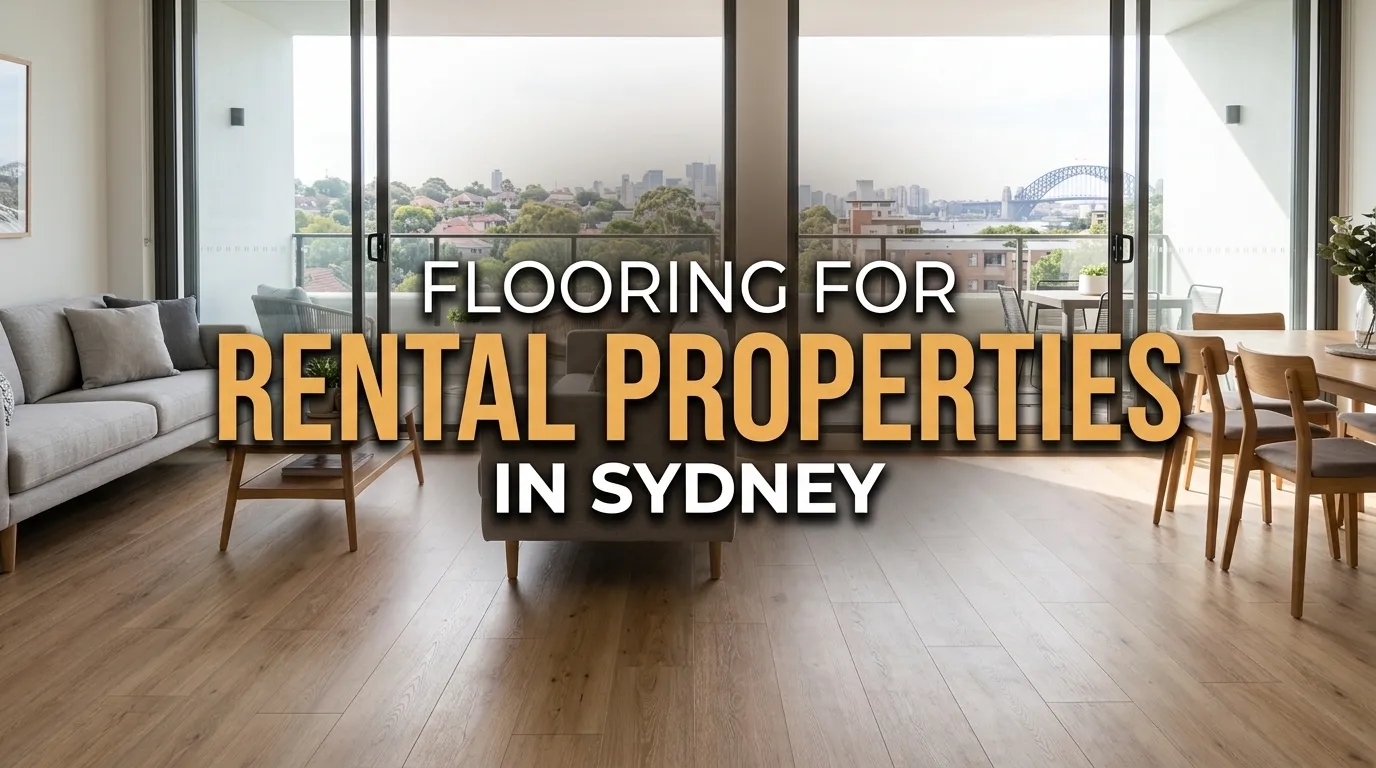
Flooring For Rental Properties in Sydney: Complete Guide 2027
Choosing the right flooring for rental properties in Sydney helps landlords balance durability, maintenance costs, tenant appeal and long-term value. Rental floors often experience regular foot traffic, furniture movement, spills and general wear, so the right material can help reduce ongoing maintenance and replacement expenses. Best option depends on the property's condition, rental budget, target tenants and the needs of each room.
In this blog, we explore the best flooring for rental properties in Sydney, comparing hybrid, laminate, vinyl, carpet, tiles and timber flooring. We also cover installation costs, room-by-room recommendations, maintenance tips and important considerations for landlords and property investors, including how professional flooring services in Sydney can help you choose flooring that suits your property and budget.
In this blog
- What Is the Best Flooring for Rental Properties in Sydney?
- How Much Does Flooring for Rental Properties in Sydney Cost?
- Which Flooring Is Best for Each Room in a Sydney Rental Property?
- What Should Landlords Look for When Choosing Rental Flooring?
- How Can Landlords Reduce Flooring Costs Without Sacrificing Quality?
- What Are the Flooring Responsibilities of Sydney Landlords and Tenants?
- Why Choose Gorkha Flooring for Your Flooring Project?
- Conclusion
- FAQS
What Is the Best Flooring for Rental Properties in Sydney?
Best flooring for rental properties in Sydney depends on the room, budget, expected foot traffic and maintenance requirements, with hybrid, laminate, vinyl, carpet and tiles offering different benefits. When comparing the best types of flooring for Sydney, hybrid flooring suits many living areas, while laminate provides a timber-look finish for suitable dry rooms. Vinyl can work well in areas exposed to spills, carpet offers comfort in bedrooms, and tiles provide a durable option for suitable wet areas. Landlords should compare installation costs, product specifications and long-term maintenance before choosing.
Flooring Installation Sydney1. Hybrid Flooring for Rental Properties
Hybrid flooring in Sydney is a practical option for many rental properties because it combines a timber-look appearance with a durable surface and relatively easy maintenance. Many products feature a rigid core and a protective wear layer designed to withstand everyday foot traffic. Some hybrid flooring is water-resistant or waterproof according to the manufacturer's specifications, but this does not make the entire floor or subfloor waterproof. Landlords should check wear-layer quality, installation requirements and warranty conditions before selecting a product. Regular sweeping and cleaning with approved products can help maintain its appearance.
Hybrid Flooring Sydney2. Laminate Flooring for Investment Properties
Laminate flooring in Sydney can suit investment properties when landlords want a timber-look finish at a relatively affordable price. Its protective surface can resist everyday wear and some scratches, although performance varies by product quality and rating. Standard laminate may be vulnerable to moisture entering through joints, making it less suitable for areas with frequent spills or standing water. It is generally better suited to dry bedrooms, living rooms and hallways when installed correctly. Check the manufacturer's moisture guidance, cleaning instructions and warranty exclusions before installation.
Laminate Flooring Sydney3. Vinyl Flooring for Rental Homes
Vinyl flooring in Sydney is a versatile option for rental homes because it is available in different formats and can offer easy cleaning and moisture resistance. Vinyl planks and sheets come in a range of colours and timber-look designs to suit different interiors and budgets. Depending on the product, vinyl may be suitable for kitchens, laundries and other areas exposed to occasional spills. However, the subfloor must be properly prepared, and the selected product must be approved for the intended conditions. Compare wear-layer specifications, installation costs and repair options when choosing vinyl for a rental property.
Vinyl Flooring Sydney4. Carpet for Rental Property Bedrooms
Carpet can be a suitable choice for rental property bedrooms because it provides a softer surface, warmth and some sound absorption. Synthetic options, including solution-dyed nylon, can offer useful stain resistance and durability depending on the product construction. Carpet installation in Sydney should take carpet quality, fibre type, pile and underlay into account, as these all influence how well it performs under everyday use. Landlords should consider cleaning requirements, potential staining and the cost of replacing worn sections between tenancies. Choosing a practical colour and a carpet designed for residential traffic can help balance appearance with ongoing maintenance.
Carpet Installation Sydney5. Tiles and Timber Flooring for Rentals
Tiles and timber flooring in Sydney can suit rental properties when their installation costs, maintenance needs and intended use match the property's budget and target market. Ceramic and porcelain tiles are durable options for suitable kitchens, bathrooms and entryways, provided the installation and waterproofing meet applicable requirements. Natural timber can create a premium appearance in living areas, but it may require more careful maintenance and refinishing over time. Tiles can be hard underfoot and may need repairs if they crack, while timber can scratch or respond to moisture and temperature changes. Compare the upfront cost with the expected maintenance and lifespan before deciding.
Timber Flooring SydneyHow Much Does Flooring for Rental Properties in Sydney Cost?
Flooring for rental properties in Sydney typically costs around 52-230+ per m² supplied and installed, depending on the material, product quality and installation requirements. Flooring cost in Sydney varies by material, with hybrid, laminate, vinyl and carpet being common options for rental properties, while tiles and timber can cost more.
These are indicative supply-and-installation ranges, not fixed quotes. Timber pricing varies substantially between engineered timber and solid hardwood. Rates may include standard installation but exclude existing flooring removal, major subfloor repairs, levelling, additional trims and other site-specific work. Confirm GST and all inclusions with the installer.
What Additional Flooring Installation Costs Should Landlords Budget For?
Landlords should budget for more than the advertised flooring rate because preparation, removal and finishing can increase the final installation cost. Check the following items when reviewing a quote:
Existing flooring removal: Removing and disposing of old carpet, laminate, vinyl or tiles may incur separate charges depending on the material and removal difficulty.
Subfloor levelling and repairs: Uneven concrete, damaged boards and cracks may require levelling compounds, patching or other preparation before the new flooring can be installed.
Underlay and acoustic insulation: Floating floors may require suitable underlay, while Sydney apartments may need an acoustic solution that meets the applicable strata requirements.
Trims, skirting and transitions: Doorway profiles, edge trims, skirting boards and transitions between different flooring materials can add material and labour costs.
Furniture removal and site access: Moving furniture, arranging parking, using lifts and transporting materials through apartment buildings may increase labour or handling charges.
Wet-area preparation: Bathrooms and other wet areas may require suitable waterproofing, substrate preparation and compliant installation details, depending on the project.
Waste disposal and finishing: Material wastage, packaging removal, final cleaning and additional finishing work may be included or charged separately.
How Can Landlords Compare Flooring Costs Over Time?
Landlords should compare the initial installation price with expected maintenance, repair and replacement costs to understand the long-term value of each flooring option.
Initial supply and installation costs: Compare the total project price, including materials, labour, preparation, removal and finishing, rather than choosing solely by the lowest rate per square metre.
Expected lifespan: Consider how long the selected product may last under the property's expected foot traffic and usage. Actual lifespan depends on product quality, installation and maintenance.
Routine maintenance: Compare cleaning requirements, stain removal and any periodic maintenance needed to keep the floor in good condition.
Repair and replacement frequency: Consider whether damaged sections can be repaired individually or whether larger areas may need replacement.
Tenant turnover: Flooring that is practical to clean and maintain between tenancies may help reduce preparation time when a property is re-let.
Vacancy and installation downtime: Plan replacement work around tenant changes where possible, while allowing sufficient time for installation, adhesive curing and other product-specific requirements.
Warranty and product suitability: Review manufacturer warranties, exclusions and installation conditions. A lower-priced product may not offer the same performance or coverage as a more suitable alternative.
Comparing these factors helps landlords select flooring that fits their immediate budget while managing ongoing property maintenance expenses.
Ready to Transform Your Home's Flooring?
Get expert guidance on carpets, hybrid, timber, vinyl & laminate flooring. Book a free in-home consultation with our specialists today!
Which Flooring Is Best for Each Room in a Sydney Rental Property?
Best flooring for a Sydney rental property depends on how each room is used, its exposure to moisture, the level of foot traffic and the maintenance it requires. Hybrid flooring, laminate, vinyl, carpet and tiles each suit different conditions. Choosing flooring room by room can help landlords balance comfort, durability, appearance and installation costs instead of using one material throughout the property.
1. Best Flooring for Rental Property Living Rooms
Hybrid, laminate, vinyl and suitable timber flooring can all work well in rental property living rooms, depending on the budget and expected use. These areas often experience frequent foot traffic, furniture movement and everyday spills, so scratch resistance and easy cleaning are important. Timber-look finishes can also create a consistent appearance without requiring natural timber throughout the property. Check each product's wear rating, moisture limitations and maintenance requirements before choosing.
2. Best Flooring for Rental Property Bedrooms
Carpet and hard flooring can both suit rental property bedrooms, depending on tenant preferences, comfort and maintenance priorities. Carpet offers a softer surface and can help reduce some room noise, while hybrid, laminate and vinyl provide surfaces that are generally straightforward to clean. Carpet may need more frequent deep cleaning or replacement when stained or worn. Hard flooring can be paired with rugs to improve comfort, but landlords should consider the property's overall style and target tenants.
3. Best Flooring for Rental Property Kitchens
Vinyl flooring and appropriately rated tiles are common options for rental property kitchens because they can be easy to clean and suitable for areas exposed to spills. The right choice depends on the product's moisture resistance, surface characteristics and installation requirements. Hybrid or laminate flooring should only be used when the manufacturer confirms that the specific product is suitable for the kitchen conditions. Proper subfloor preparation, sealed transitions where required and prompt spill cleanup can help reduce flooring problems.
4. Best Flooring for Rental Property Bathrooms and Laundries
Tiles and other products specifically approved for wet-area use are generally more suitable for rental property bathrooms and laundries than flooring designed only for dry interiors. These rooms can experience frequent water exposure, so surface slip resistance, drainage and compatibility with the waterproofing system are important. Water-resistant flooring does not automatically replace required wet-area waterproofing. Landlords should use suitable materials and qualified installers who follow applicable building requirements and the manufacturer's installation instructions.
5. Best Flooring for Rental Property Hallways and Entryways
Durable vinyl, suitable hybrid flooring and appropriately rated tiles can be practical choices for rental property hallways and entryways because these areas experience frequent foot traffic and tracked-in dirt. A wear-resistant surface can help manage everyday abrasion from shoes, bags and furniture. Choose finishes that are easy to clean and suitable for the expected traffic level. Entrance mats can also reduce the amount of dirt and moisture carried into the property, helping protect the flooring over time.
6. Best Flooring for Apartments and Strata Rental Properties
Flooring in Sydney rental apartments should meet the property's acoustic requirements, strata by-laws and any applicable approval conditions before installation begins. Hard flooring can transmit impact sounds to neighbouring apartments, so an approved acoustic underlay or tested flooring system may be required. Landlords should check the owners corporation's rules and obtain written approval where necessary. Keep product specifications, acoustic test results, installation details and approval records to help demonstrate that the flooring system meets the property's requirements.
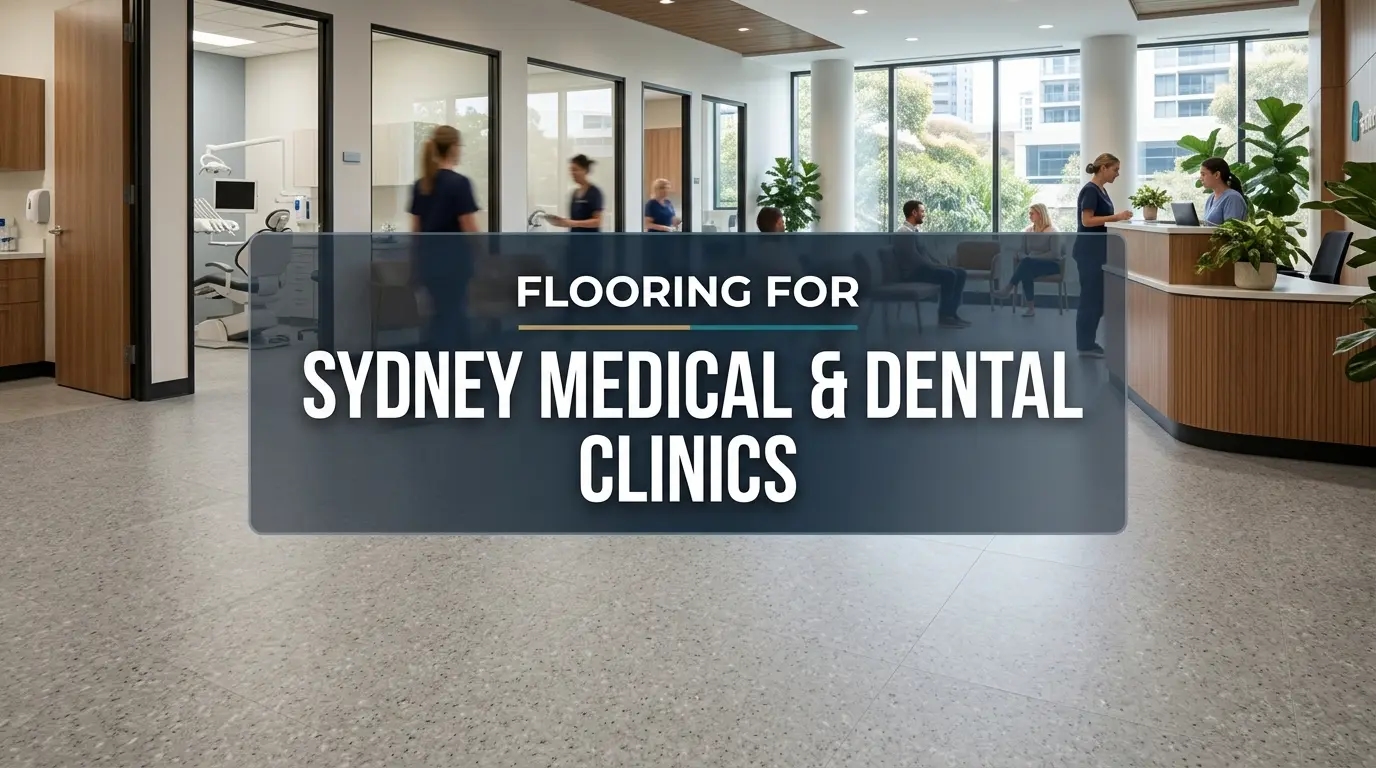
Also Read: Flooring For Sydney Medical and Dental ClinicsWhat Should Landlords Look for When Choosing Rental Flooring?
Landlords should prioritise durability, moisture resistance, easy maintenance, neutral colours and straightforward repair options when choosing flooring for a rental property. These factors affect how well the floor handles everyday tenant use and how much it may cost to maintain between tenancies. Right choice also depends on the room, the property's budget and the manufacturer's installation requirements. Comparing these details before purchasing can help landlords make a more practical long-term investment.
1. Durability and Scratch Resistance
Choose flooring with a wear rating and surface protection suited to the property's expected foot traffic and furniture use. Living rooms, hallways and shared areas may need more durable products than rooms with limited use. Furniture legs, pet claws, shoes and moving appliances can cause scratches or surface damage over time. Compare product specifications, wear-layer thickness where applicable, and manufacturer guidance rather than assuming every product in the same flooring category offers equal durability.
2. Water and Moisture Resistance
Select flooring according to the room's moisture exposure and the specific product's tested performance. Kitchens, laundries and entryways may experience occasional spills, while bathrooms require materials and systems approved for wet-area conditions. Water-resistant flooring is not necessarily waterproof, and moisture can still damage unsuitable products or affect the subfloor. Follow installation instructions, address leaks promptly and ensure the selected flooring is compatible with the property's conditions.
3. Easy Cleaning and Low Maintenance
Landlords should choose flooring with cleaning requirements that suit regular property maintenance and tenant turnover. Vinyl, suitable hybrid flooring and tiles are often straightforward to clean, while carpet may require more attention to stains and periodic deep cleaning. Actual maintenance needs depend on the product's finish, the type of dirt or spill and the manufacturer's instructions. Consider whether damaged areas can be repaired easily and whether routine care requires specialist products or services.
4. Neutral Colours and Tenant Appeal
Neutral colours and versatile finishes can help rental flooring appeal to a wider range of prospective tenants. Natural timber-look shades, warm neutrals and understated patterns can complement different furniture styles and interior designs. Flooring also affects how bright, spacious and well-maintained a property appears in rental listing photographs. Choose a finish that suits the property's overall style while considering visible dust, scratches and marks, which can be more noticeable on certain colours and surface textures.
5. Replacement and Repair Options
Landlords should check whether damaged flooring can be repaired locally and whether matching replacement materials are likely to remain available. Hybrid and laminate boards, vinyl planks and tiles may allow individual sections to be replaced, depending on the installation method and the extent of the damage. Colour and batch variations can make exact matches difficult, particularly if a product has been discontinued. Keeping spare materials, product details and purchase records can simplify future repairs and may reduce the need to replace larger floor sections.
Also Read: Flooring For High Traffic Apartments in SydneyHow Can Landlords Reduce Flooring Costs Without Sacrificing Quality?
Landlords can reduce flooring costs by matching materials to each room, scheduling installation during tenant vacancies, comparing itemised quotes and maintaining floors between tenancies. These steps help control upfront spending while reducing avoidable repairs and premature replacement. Rather than choosing the cheapest product available, landlords should compare durability, installation requirements and expected maintenance costs. Planning flooring work alongside other property improvements can also make better use of time and budget.
1. Choose Flooring According to Room Use
Choose flooring based on each room's traffic, moisture exposure and maintenance needs instead of paying for premium specifications throughout the property. Hallways and living areas may benefit from more durable surfaces, while bedrooms may suit cost-effective carpet or hard flooring that meets the property's needs. Kitchens and wet areas require products suitable for their specific conditions. Matching the material to the room helps avoid unnecessary spending without compromising practical performance.
2. Install Flooring During Tenant Vacancies
Scheduling flooring installation during a planned vacancy can help landlords coordinate work and reduce disruption to tenants. If flooring replacement is already needed, arrange it alongside painting, repairs or other maintenance where practical. Completing the work between tenancies may also reduce the risk of disrupting access to rooms or daily activities. However, landlords should plan the schedule carefully because delays can extend vacancy periods and affect rental income.
3. Compare Itemised Flooring Quotes
Request itemised flooring quotes that separate materials, labour, subfloor preparation and additional charges before choosing an installer. Check whether the quoted price includes GST, removal and disposal of existing flooring, underlay, trims, transitions and finishing work. The cheapest quote may exclude preparation or other essential tasks, leading to extra costs later. Comparing the same scope of work across providers helps landlords assess the overall value rather than price alone.
4. Maintain Flooring Between Tenancies
Regular cleaning and timely repairs can help landlords extend flooring life and avoid preventable replacement costs. Follow the manufacturer's care instructions and address spills, scratches, loose boards or damaged grout before the problems worsen. During routine inspections and tenant changeovers, check for signs of moisture, lifting edges and other damage. Keeping maintenance records and spare flooring materials where possible can make future repairs easier and help manage long-term property expenses.
What Are the Flooring Responsibilities of Sydney Landlords and Tenants?
In Sydney, landlords are generally responsible for keeping rental properties in a reasonable state of repair, while tenants must take reasonable care of the property and avoid causing damage beyond fair wear and tear. Responsibility for flooring repairs depends on the cause of the damage, the condition of the floor and the circumstances of the tenancy. Landlords and tenants should follow the NSW tenancy rules and document flooring issues clearly.
Landlord maintenance: Landlords generally need to address flooring defects that affect the property's condition, safety or habitability, subject to applicable tenancy requirements.
Tenant care: Tenants should keep floors reasonably clean, use them appropriately and report damage or maintenance issues promptly.
Fair wear and tear: Gradual deterioration from normal use, such as ordinary carpet wear, is generally different from damage caused by negligence or misuse.
Accidental damage: Responsibility depends on the circumstances and applicable tenancy rules; tenants are not automatically liable for every mark or damaged area.
Repairs and replacement: The appropriate response depends on the extent of the damage, the flooring's condition and whether repair is reasonable or replacement is necessary.
Apartment and strata rules: Landlords should check owners corporation by-laws and approval requirements before changing flooring, particularly where acoustic performance may be affected.
Records and evidence: Photos, condition reports, inspection records, invoices and written communication can help clarify the flooring's condition and responsibility for repairs
Why Choose Gorkha Flooring for Your Flooring Project?
Gorkha Flooring supplies and installs flooring for residential and commercial properties, helping customers choose products suited to their rooms, property conditions and budgets. For Sydney landlords and property investors, selecting suitable flooring and planning installation carefully can help manage maintenance needs and prepare properties for future tenants. The right option depends on the intended use, product specifications and installation requirements.
Flooring supply and installation: Explore flooring products and installation services for suitable residential and commercial projects.
Product selection assistance: Compare hybrid, laminate, vinyl, carpet, timber and other available options according to your property's needs.
Room-specific recommendations: Consider moisture exposure, foot traffic, furniture movement and cleaning requirements when selecting flooring.
Budget-conscious planning: Compare product options and installation requirements to find a practical balance between upfront costs and long-term maintenance.
Subfloor preparation: Discuss any required subfloor preparation and confirm which work is included in the agreed quotation.
Project-specific quotations: Request a quotation based on the selected flooring, property conditions, installation scope and any additional work required.
Installation planning: Coordinate product selection, preparation and installation timing to help organise flooring work around your property maintenance schedule.
Conclusion
Choosing flooring for rental properties in Sydney requires landlords to balance upfront costs, durability, tenant appeal and long-term maintenance. Hybrid, laminate, vinyl, carpet and tiles each offer different benefits, so the right choice depends on the room, expected foot traffic, moisture exposure and the property's target rental market. Selecting flooring according to these needs can help landlords manage ongoing expenses while keeping their properties practical and attractive to prospective tenants.
Before making a decision, compare product specifications, maintenance requirements, warranties and itemised installation quotes. Check whether prices include subfloor preparation, existing flooring removal and finishing materials to avoid unexpected costs. If you are planning a flooring upgrade, Gorkha Flooring can help you explore suitable flooring products and installation options for your project. Careful planning can help you make a more informed investment in your rental property's long-term condition and appeal.
FAQS
What is the cheapest flooring for a rental property in Sydney?
Vinyl, laminate and carpet can be among the more affordable flooring options for rental properties in Sydney. The final cost depends on product quality, room size, installation labour and subfloor preparation. Compare supply-and-install prices rather than material costs alone, and check whether removal of existing flooring and finishing materials are included in the quote.
Is hybrid flooring a good choice for rental properties?
Hybrid flooring can be a practical choice for rental properties because many products offer durable surfaces, easy cleaning and resistance to everyday spills. However, performance varies between products, and water resistance does not mean every hybrid floor is waterproof. Check the wear layer, installation requirements, warranty conditions and suitability for the intended room before purchasing.
Is carpet or hard flooring better for rental properties?
Hard flooring is often easier to clean, while carpet offers a softer surface and can help reduce some room noise. Vinyl, hybrid and laminate may suit living areas and hallways, depending on product specifications, while carpet can be suitable for bedrooms. Landlords should compare stain removal, routine maintenance, acoustic comfort, repair options and replacement costs when deciding which material offers better value.
How long should rental property flooring last?
Rental flooring lifespan varies according to product quality, foot traffic, installation, cleaning and ongoing maintenance. Carpet in a busy household may show wear sooner than a well-maintained hard floor, while lower-quality products can deteriorate faster under heavy use. Following manufacturer care instructions and repairing damage promptly can help extend flooring life. Landlords should assess the floor's actual condition rather than rely on a fixed replacement schedule.
Can landlords replace carpet with hybrid flooring in a Sydney apartment?
Landlords may be able to replace carpet with hybrid flooring in a Sydney apartment, but they should check strata by-laws and approval requirements before starting work. Hard flooring can transmit impact noise to neighbouring apartments, so the owners corporation may require an approved acoustic underlay or tested flooring system. Confirm the requirements in writing and retain product specifications, acoustic documentation and installation records.
Can tenants be charged for damaged rental flooring?
Tenants may be held responsible for flooring damage beyond fair wear and tear, depending on the circumstances and applicable NSW tenancy rules. Ordinary deterioration from normal use is generally treated differently from damage caused by negligence, misuse or an incident. Condition reports, photographs and repair records can help establish the floor's condition and the cause of damage. Landlords should assess the evidence and follow the applicable tenancy process before seeking compensation.
When should landlords replace flooring between tenancies?
Landlords should consider replacing flooring between tenancies when damage, hygiene concerns, safety issues or repeated repair costs make continued use impractical. Torn carpet, loose boards, persistent staining, lifting planks and damaged tiles may require repair or replacement depending on their severity. A vacancy can provide a convenient opportunity to complete the work, but landlords should compare repair costs with replacement costs and allow enough time for installation before the next tenancy begins.