Is it Cheaper to Install Carpet or Vinyl Flooring in Australia? Complete Guide 2027
Choosing between carpet and vinyl flooring can make a significant difference to your flooring budget. Both options are popular in Australian homes, but their total costs depend on material quality, installation labour, underlay, subfloor preparation and the room where the flooring will be installed. While carpet can be an affordable choice for bedrooms, vinyl offers practical benefits in areas where easy cleaning and moisture resistance matter.
In this blog, we compare the cost of installing carpet and vinyl flooring in Australia for 2027, including supply-and-installation prices, additional expenses, maintenance and expected lifespan. We also explore the advantages of each option, the best flooring for different rooms and practical ways to reduce installation costs without sacrificing quality. If you're considering carpet installation in Australia, this guide will help you compare your options and choose the right flooring for your home or investment property.
In this blog
- Is It Cheaper to Install Carpet or Vinyl Flooring in Australia?
- What Factors Affect Carpet and Vinyl Flooring Installation Costs?
- Which Flooring Is Cheaper in the Long Run?
- Is Carpet or Vinyl Better for Different Rooms?
- What Are the Advantages and Disadvantages of Carpet vs Vinyl?
- How Can You Save Money on Carpet or Vinyl Flooring Installation?
- Is Carpet or Vinyl Flooring Better Value for Australian Homes?
- Conclusion
- FAQS
Is It Cheaper to Install Carpet or Vinyl Flooring in Australia?
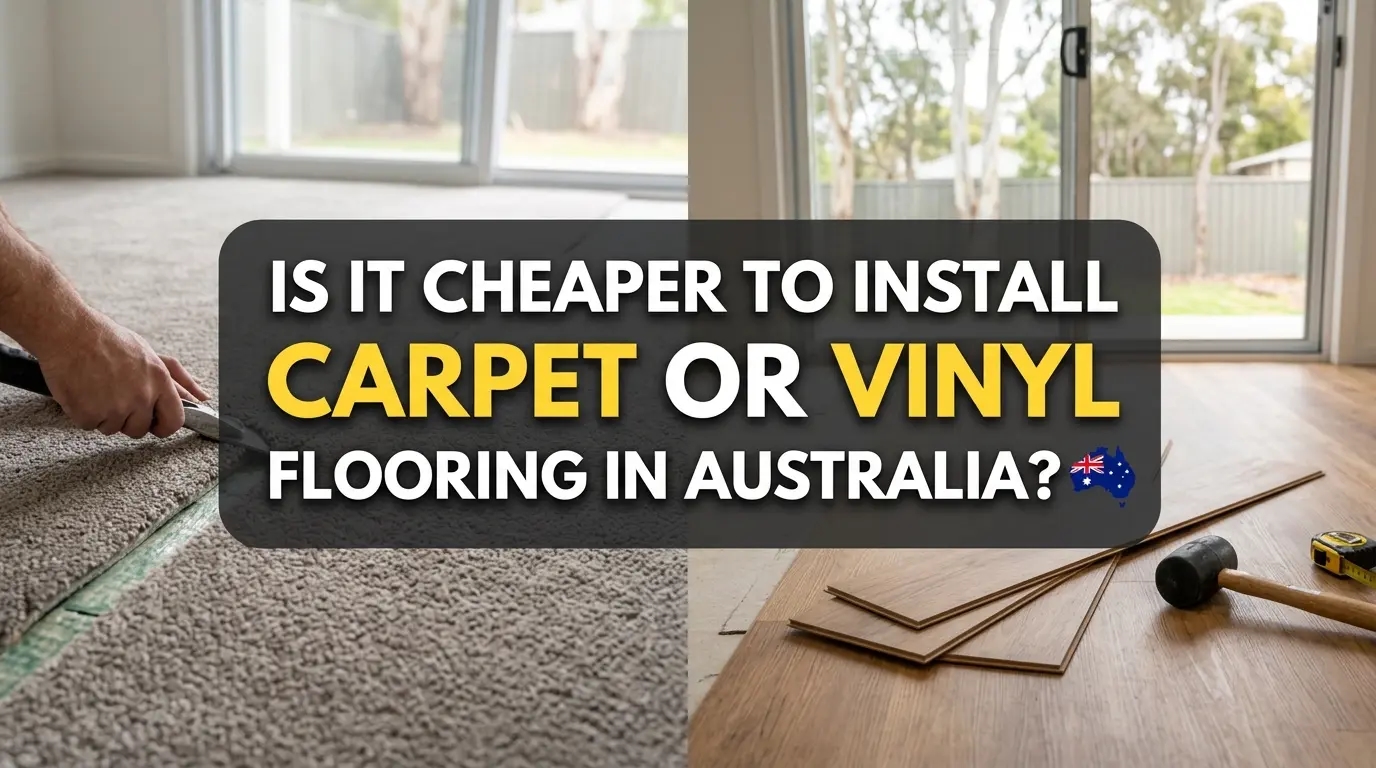
Carpets can be cheaper to install than some vinyl plank flooring, but budget vinyl sheet flooring can cost less than or a similar amount to entry-level carpet. In Australia, carpet typically costs around 45-110 per m² supplied and installed, while vinyl flooring in Australia can range from approximately 30-100+ per m², depending on the product and installation requirements. Your final cost depends on material quality, location, subfloor preparation and what the installation quote includes.
Carpet Flooring Cost per Square Metre in Australia
Carpet flooring typically costs around 45–110 per m² supplied and installed in Australia, with premium wool and designer options costing more. Budget synthetic carpet generally costs less than higher-quality nylon or wool blends. The total price may include carpet, underlay and professional laying, but old flooring removal, disposal, stairs and subfloor repairs can cost extra. Always check whether the quote covers all materials and labour before comparing prices.
Vinyl Flooring Cost per Square Metre in Australia
Vinyl flooring can cost approximately 30-100+ per m² supplied and installed, depending on whether you choose sheet vinyl, vinyl tiles or vinyl planks. Sheet vinyl is generally one of the more affordable options, while premium vinyl planks can cost more because of their construction, wear layer and installation method. Supply-only prices are lower because they exclude labour and other installation expenses. Check whether adhesive, approved underlay, trims and subfloor preparation are included in the quoted price.
Carpet vs Vinyl Flooring Cost Comparison Table
Budget carpet and sheet vinyl can offer the lowest upfront costs, while mid-range carpet and vinyl planks may have similar installed prices depending on the product. The table below provides indicative Australian price ranges based on market pricing available in 2026, for budgeting a project in 2027. These are estimates rather than guaranteed 2027 rates, and actual quotes may vary by location, product selection and installation requirements.
Note: These indicative ranges may overlap and are not direct like-for-like product comparisons. Confirm whether each quote includes GST, underlay or adhesive, installation labour, existing flooring removal, waste disposal and subfloor preparation. Additional work may increase the final cost.
Carpet Installation in AustraliaWhat Factors Affect Carpet and Vinyl Flooring Installation Costs?
Carpet and vinyl flooring installation costs depend on material quality, subfloor condition, labour, additional materials and your location in Australia. Even when two flooring products have similar supply prices, their total installation costs can differ because of preparation requirements and fitting complexity. Understanding these factors helps homeowners compare quotes accurately and avoid unexpected expenses. It also makes it easier to choose flooring that suits both the budget and the intended room.
Flooring Material Quality and Product Type
The type and quality of carpet or vinyl flooring directly affect its purchase price, durability and expected performance. Carpet costs vary according to fibre type, pile construction, density and backing, with many premium wool options costing more than basic synthetic carpet. Vinyl prices depend on whether you choose sheet, tile or plank flooring, as well as its construction and wear-layer thickness. Comparing product specifications alongside price helps you assess whether a more expensive option offers practical benefits for your household.
Subfloor Preparation and Existing Floor Removal
Existing floor removal and subfloor preparation can increase the total cost of installing either carpet or vinyl flooring. Removing old carpet, adhesive or damaged flooring may involve additional labour and disposal fees. Vinyl often requires a particularly smooth, level and suitable subfloor because unevenness can show through some products or affect installation quality. Carpet also needs an appropriate surface, and any moisture issues or structural damage should be addressed before installation begins.
Installation Labour and Additional Materials
Installation labour and additional materials can significantly affect the final price of carpet and vinyl flooring. Carpet installation may require underlay, grippers, joining materials and specialised fitting around stairs or irregular room shapes. Vinyl installation may involve approved adhesive, compatible underlay where permitted, trims and transitions between flooring types. Furniture removal, difficult access and multiple small rooms can also increase labour requirements, so check exactly what each quote includes.
Regional Differences in Australian Flooring Costs
Carpet and vinyl flooring installation prices can vary between Sydney, Melbourne, Brisbane, Perth, Adelaide and other Australian locations because of differences in labour rates, product availability and project logistics. Travel charges, local demand and the size of the installation can also affect the total quotation. National price guides are useful for initial budgeting, but they may not reflect the rates available in your suburb. Request itemised quotes from local installers and compare the same flooring specification and scope of work before deciding.
Vinyl Flooring in AustraliaWhich Flooring Is Cheaper in the Long Run?
Vinyl flooring can be cheaper to maintain over time than carpet in busy or spill-prone areas, while carpet may offer better upfront value in bedrooms and other lower-traffic spaces. When comparing the cost of vinyl flooring in Australia, consider cleaning needs, repair costs, product quality and how frequently the floor needs replacing. The more economical option depends on your household's needs, so compare the total cost of ownership rather than the initial installation price alone.
Carpet Maintenance and Replacement Costs
Carpet maintenance costs include regular vacuuming, stain treatment and occasional professional deep cleaning. Dirt, spills, pets and heavy foot traffic can gradually wear down carpet fibres and affect its appearance. High-traffic areas may need more frequent cleaning or earlier replacement than bedrooms used less often. In rental properties, tenant turnover can also increase cleaning expenses, particularly when stains or odours require specialist treatment.
Vinyl Flooring Maintenance and Repair Costs
Vinyl flooring generally requires routine sweeping or vacuuming to clean vinyl flooring and maintain its appearance, along with cleaning products approved by the manufacturer. Unlike carpet, many vinyl surfaces do not require deep fibre cleaning, which can reduce ongoing maintenance in busy households. However, sharp objects, heavy furniture, poor installation or moisture reaching vulnerable areas can cause damage. Individual planks or tiles may be replaceable, depending on the product and installation method, while damaged sheet vinyl can be harder to repair without visible seams.
Carpet vs Vinyl Flooring Lifespan
Neither carpet nor vinyl has a single guaranteed lifespan because durability depends on product quality, foot traffic, installation and maintenance. Well-maintained flooring in a lightly used room may last considerably longer than a lower-grade product in a busy household. Compare the expected replacement cost, routine care and repair options when estimating long-term value. Also check warranty terms carefully, as a product's stated warranty period does not guarantee that it will last for the same length of time under every set of conditions.
Is Carpet or Vinyl Better for Different Rooms?
Carpet is often suitable for bedrooms where comfort matters, while vinyl can be more practical in living areas, hallways and kitchens that need easy cleaning. The best flooring depends on each room's foot traffic, moisture exposure, noise levels and daily use. Choosing materials room by room can help homeowners balance installation costs, comfort and maintenance without paying for features they do not need.
Best Flooring for Bedrooms
Carpet is a popular bedroom choice because it feels soft underfoot, adds warmth and can help absorb some room noise. Vinyl flooring offers a smooth, hard surface that is generally easier to clean and may suit people with dust sensitivities, depending on their cleaning routine. Carpet may need more attention to stains and dust, while vinyl can benefit from rugs to improve comfort. Consider personal preferences, household needs and the cost of ongoing maintenance before deciding.
Best Flooring for Living Rooms and Hallways
Vinyl flooring can be a practical option for living rooms and hallways because it is generally easy to clean and comes in finishes that suit different interior styles. These areas often experience frequent foot traffic, furniture movement and everyday spills, so surface durability is important. Carpets can provide a softer, quieter feel, but it may show wear or stains in busy walkways. Compare wear ratings, scratch resistance and care instructions rather than assuming every vinyl or carpet product performs the same way.
Best Flooring for Kitchens and Dining Areas
Vinyl flooring is often more practical than carpet for kitchens and dining areas because many products are easy to clean after food spills and everyday mess. Vinyl sheet, tiles and planks may suit these rooms when the specific product is approved for the conditions and installed correctly. Carpets can absorb liquids and food residue, making cleaning more difficult. Check moisture performance, slip resistance where relevant, subfloor requirements and manufacturer instructions before selecting flooring for areas exposed to spills.
Best Flooring for Rental Properties
Vinyl can be a practical choice for rental property living areas, while carpet may remain a cost-effective option for bedrooms where softness and comfort matter. Landlords should compare upfront installation costs, cleaning needs, expected wear and the likely cost of repairs or replacement between tenancies. Hard flooring may appeal to tenants who prefer easy-care surfaces, while carpet can suit properties where comfort and noise absorption are priorities. The right combination depends on the target rental market, property type and maintenance budget.
Ready to Transform Your Home's Flooring?
Get expert guidance on carpets, hybrid, timber, vinyl & laminate flooring. Book a free in-home consultation with our specialists today!
What Are the Advantages and Disadvantages of Carpet vs Vinyl?
Carpet offers softness, warmth and acoustic comfort, while vinyl flooring provides an easy-to-clean surface and a wide range of practical design options. Both have advantages and limitations depending on the room, household needs and budget. Comparing comfort, durability, maintenance, moisture performance and replacement costs can help you choose the most suitable flooring for your Australian home.
Overall, carpet may be the better choice for comfort-focused spaces, while vinyl can be more practical where easy cleaning is a priority. Compare the specific products and their total installed costs before making a decision, as neither flooring type is automatically cheaper or more durable in every situation.
How Can You Save Money on Carpet or Vinyl Flooring Installation?
You can save money on carpet or vinyl flooring installation by comparing itemised quotes, choosing products suited to each room and planning the work to minimise material waste. The cheapest material is not always the most economical option once labour, subfloor preparation and maintenance are included. Careful planning helps you control upfront costs while choosing flooring that meets your household's practical needs.
Compare Itemised Supply-and-Installation Quotes
Request itemised quotes that clearly separate flooring materials, installation labour and additional expenses. Check whether the price includes underlay or adhesive, GST, trims, existing flooring removal and waste disposal. Ask whether subfloor levelling or repairs are included, as these can increase the final bill. Comparing quotes with the same product specifications and scope of work helps you identify genuine savings rather than choosing a lower price that excludes essential services.
Choose Flooring Based on Room Use
Choose carpet or vinyl according to each room's traffic, moisture exposure, comfort requirements and cleaning needs. You may not need premium carpet in a lightly used bedroom, while busy hallways may benefit from flooring with suitable wear resistance. Similarly, choose vinyl products specifically rated for the intended conditions rather than paying extra for features you do not need. Matching product specifications to room use can help balance initial costs, durability and maintenance.
Plan Installation and Reduce Material Waste
Planning flooring installation carefully can reduce avoidable labour costs, delays and material waste. Measure rooms accurately, but confirm final quantities with the flooring supplier or installer because layouts, cutting allowances and product formats affect the amount required. Where practical, coordinate flooring work with other renovations and ask about product availability before scheduling installation. Clearance products or suitable offcuts may offer savings, provided you have enough matching material and can obtain additional stock if future repairs are needed.
Also Read: How To Remove Stains From Carpet?Is Carpet or Vinyl Flooring Better Value for Australian Homes?
Carpet can offer better upfront value for comfort-focused rooms, while vinyl flooring may provide better practical value in areas that need frequent cleaning. The right choice depends on your budget, room conditions, product quality and expected maintenance costs. Comparing the full supply-and-installation price alongside durability and replacement needs helps you identify the better long-term investment.
For tight budgets: Compare entry-level synthetic carpet with budget sheet vinyl, including underlay, adhesive and installation labour. Either option may be cheaper depending on the product and quote.
For bedrooms: Carpet can be a good-value choice if softness, warmth and noise absorption are priorities. Vinyl may suit households that prefer a hard surface that is easier to clean.
For busy living areas: Vinyl can be practical because routine cleaning is generally straightforward. Choose a product with suitable wear and scratch resistance for the expected foot traffic.
For families with children or pets: Consider spill frequency, stains, cleaning routines and the possibility of scratches or other damage. The better option depends on household habits and the product's specifications.
For rental properties: Vinyl may suit living areas and hallways where easy cleaning is important, while carpet can remain suitable for bedrooms. Compare tenant appeal, cleaning costs and replacement needs between tenancies.
For long-term durability: Look beyond the initial price and compare product quality, installation requirements, repair options and expected service life. Neither carpet nor vinyl is guaranteed to last longer in every setting.
For the best overall value: Request itemised supply-and-installation quotes that include relevant preparation and finishing costs. Choose flooring that meets the room's requirements without paying for unnecessary features.
Ultimately, the best-value flooring is the option that balances upfront cost, everyday performance, maintenance and replacement expenses for your specific property.
Conclusion
Carpet can be cheaper to install than some vinyl plank flooring, while budget vinyl sheet flooring may offer a similarly affordable or lower-cost alternative to entry-level carpet. The final price depends on product quality, installation labour, underlay or adhesive, subfloor preparation and your location in Australia. Carpets can provide better comfort and warmth in bedrooms, whereas vinyl may be more practical in living areas and other spaces where easy cleaning matters.
Before choosing, compare product specifications, maintenance requirements, repair options and total supply-and-installation costs. Ask for itemised quotes so you understand what is included and can avoid unexpected expenses. Gorkha Flooring can help you explore suitable flooring options and discuss supply and installation requirements for your project. Contact the team to compare carpet and vinyl flooring choices and request a quote that suits your property, preferences and budget.
FAQS
Is carpet cheaper than vinyl flooring in Australia?
Carpet can be cheaper than some vinyl flooring options, but the lowest-cost choice depends on the product and installation requirements. Budget carpet and vinyl sheet flooring can have similar installed prices, while premium carpet and vinyl planks may cost more. Compare supply-and-installation quotes that include underlay or adhesive, labour, subfloor preparation and any removal fees.
How much does it cost to install carpet per square metre?
Carpet installation in Australia can cost approximately 45–110 per square metre, including supply and installation. Budget synthetic carpet may cost less, while premium fibres and wool carpet can increase the price. The final quote depends on carpet quality, underlay, room size, labour and whether existing flooring needs to be removed.
How much does vinyl flooring cost per square metre installed?
Vinyl flooring can cost approximately 30–100 or more per square metre supplied and installed in Australia. Budget sheet vinyl is generally less expensive than many vinyl plank products, while premium designs and higher wear-layer specifications can increase costs. Subfloor preparation, installation method, trims and removal of old flooring may also affect the total.
Is vinyl flooring cheaper to maintain than carpet?
Vinyl flooring can be cheaper to maintain in areas exposed to frequent spills and heavy everyday use. It generally needs routine sweeping or vacuuming and cleaning with a suitable product, while carpet may require stain treatment and periodic deep cleaning. Actual maintenance costs depend on traffic, pets, product quality and the cleaning instructions for each flooring type.
Which flooring lasts longer, carpet or vinyl?
Neither carpet nor vinyl flooring always lasts longer because durability depends on product quality, installation, traffic and maintenance. Quality vinyl may perform well in busy areas, while carpet lifespan varies with its fibre, pile, underlay and use. Compare product specifications and warranty conditions, but remember that a warranty does not guarantee a particular lifespan.
Is vinyl flooring a good choice for rental properties?
Vinyl flooring can be a practical choice for rental properties because many products are easy to clean and suit busy living areas and hallways. Choose a product with suitable wear and moisture-resistance specifications for the intended room. Carpet may still be a good option for bedrooms where softness and comfort matter. Consider upfront cost, tenant expectations, cleaning and future replacement when deciding.
Does carpet or vinyl flooring cost more to remove and replace?
The cost of removing and replacing carpet or vinyl depends on the existing flooring, adhesive, subfloor condition and labour required. Carpet removal may involve taking up the carpet and underlay, while glued vinyl can require more intensive removal and adhesive residue treatment. Repairs or levelling may add to either project's cost. Ask for an itemised quote covering removal, disposal, subfloor preparation and new flooring installation.