Is Hybrid Flooring Waterproof? Complete Guide 2027
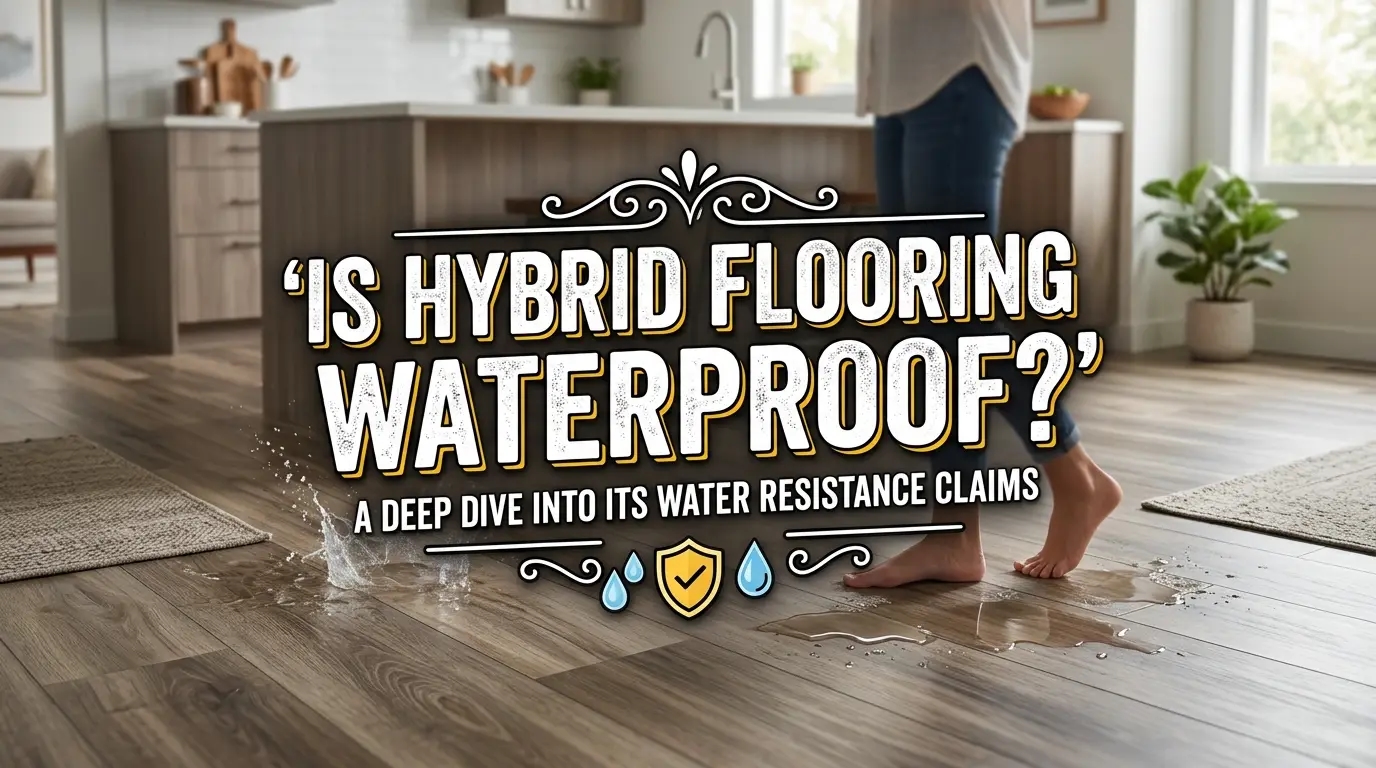
Hybrid flooring is popular in Australian homes because it combines a durable rigid core with a timber-look surface and practical moisture resistance. However, not every hybrid flooring product should automatically be considered completely waterproof, as water performance can depend on the product's construction, joints, installation and manufacturer specifications.
In this blog, we answer the question, “Is hybrid flooring waterproof?” We explain how hybrid flooring handles water and moisture, the difference between waterproof and water-resistant flooring, and whether hybrid flooring is suitable for kitchens, bathrooms and other moisture-prone areas. You will also learn how SPC and WPC hybrid flooring compare, how to maintain hybrid flooring and what to check before choosing a product.
In this blog
- What Is Hybrid Flooring?
- Is Hybrid Flooring Really Waterproof?
- What Is Hybrid Flooring Made Of?
- Waterproof vs Water-Resistant Hybrid Flooring: What's the Difference?
- Can Hybrid Flooring Get Wet?
- Is Hybrid Flooring Waterproof in Bathrooms?
- Which Rooms Are Suitable for Waterproof Hybrid Flooring?
- Is SPC Hybrid Flooring More Waterproof Than WPC?
- How Does Hybrid Flooring Compare With Other Waterproof Flooring Options?
- What Are the Benefits of Waterproof Hybrid Flooring?
- Does Waterproof Hybrid Flooring Need Special Maintenance?
- What Can Damage Waterproof Hybrid Flooring?
- Is Waterproof Hybrid Flooring Right for Your Home?
- Who Supplies and Installs Hybrid Flooring in Australia?
- Conclusion
- FAQs
What Is Hybrid Flooring?
Hybrid flooring is a multi-layer flooring product that combines a rigid core with a durable wear layer and a decorative surface designed to replicate the appearance of natural timber. It commonly uses SPC or WPC core construction and a click-lock system for installation. Hybrid flooring is designed to provide durability, moisture resistance and a timber-look appearance for residential and commercial spaces.
Install Hybrid Flooring In AustraliaIs Hybrid Flooring Really Waterproof?
Yes, many hybrid flooring products are waterproof, but not every hybrid flooring product has the same level of water resistance. Hybrid flooring commonly uses rigid SPC or WPC cores designed to handle moisture better than traditional timber or laminate flooring. However, the performance of waterproof flooring can also depend on the product's construction, joints, installation method and manufacturer specifications. Always check the specific product's technical information before assuming it is completely waterproof.
1. What Makes Hybrid Flooring Waterproof?
Hybrid flooring can be waterproof because its rigid core is commonly made from moisture-resistant materials such as PVC and stone-composite components. SPC flooring uses a stone-plastic composite core designed to resist moisture absorption, while other hybrid constructions may use different rigid-core materials. Core provides much of the floor's moisture resistance, while the wear layer protects the surface. Properly connected click-lock joints and correct installation also help maintain the product's intended water performance.
2. Is All Hybrid Flooring Waterproof?
No, not all hybrid flooring products should automatically be considered waterproof. Different products can use different core materials, surface constructions, joint systems and installation requirements. SPC and WPC hybrid flooring can also have different product specifications and moisture characteristics. Always check the manufacturer's technical specifications and warranty conditions to confirm whether a particular product is classified as waterproof or water-resistant.
What Is Hybrid Flooring Made Of?
Hybrid flooring is made of multiple layers, typically including a rigid SPC or WPC core, a decorative timber-look layer, a protective wear layer and a click-lock connection system. Each layer performs a different function, from providing structural stability to protecting the surface from everyday wear. Core and construction influence the flooring's moisture performance, while the joints and installation also affect how water behaves across the finished floor.
1. SPC Core
SPC core is made from Stone Plastic Composite and provides a dense, rigid foundation for hybrid flooring. It commonly combines stone-based material with plastic components to create a stable flooring core. Rigid construction has low moisture absorption compared with some traditional flooring materials. SPC is widely used in Australian hybrid flooring products where durability and moisture resistance are important considerations.
2. WPC Core
WPC core is made from Wood Plastic Composite and combines wood-based material with plastic components to create a rigid flooring core. WPC construction differs from SPC because it generally contains a higher proportion of wood-based material. Its moisture performance can vary between products, so buyers should not assume every WPC floor has the same waterproof rating. Always check the specific manufacturer's water-resistance and installation specifications.
3. Wear Layer and Protective Surface
Wear layer protects the surface of hybrid flooring from everyday wear, stains, scratches and general household use. It sits above the decorative layer and helps maintain the floor's appearance over time. However, the wear layer alone does not determine whether the entire flooring product is waterproof. Core, joints, edges and overall construction also contribute to the product's moisture performance.
4. Click-Lock Joints
Click-lock joints connect individual hybrid flooring planks and help create a continuous floating floor surface. Click lock flooring uses planks designed to lock together during installation without traditional adhesive across the entire floor. Because water can potentially reach joints and edges, correct installation is important for maintaining the flooring's intended moisture performance. Follow the manufacturer's installation requirements for joint connection, expansion gaps and perimeter areas.
Waterproof vs Water-Resistant Hybrid Flooring: What's the Difference?
Waterproof hybrid flooring is designed to prevent water from penetrating the flooring material, while water-resistant flooring is designed to withstand moisture for a limited period or under specific conditions. However, terminology can vary between manufacturers, so buyers should check the product's technical specifications rather than relying only on marketing terms.
Always check the manufacturer's technical specifications, warranty conditions and installation instructions before choosing flooring for a moisture-prone area. Product's waterproof rating may apply to the flooring material itself and not necessarily mean that every part of the installed floor is protected against unlimited water exposure.
Ready to Transform Your Home's Flooring?
Get expert guidance on carpets, hybrid, timber, vinyl & laminate flooring. Book a free in-home consultation with our specialists today!
Can Hybrid Flooring Get Wet?
Yes, hybrid flooring can generally get wet from everyday spills, splashes and routine damp cleaning when the specific product is designed for moisture exposure. Its rigid core can provide good moisture resistance, but this does not mean the floor should be exposed to standing water for long periods. Promptly cleaning spills and following the manufacturer's care instructions can help maintain the flooring's intended performance.
1. What Happens If Water Sits on Hybrid Flooring?
Water that sits on hybrid flooring for a prolonged period can increase moisture exposure around joints, edges and perimeter areas. Short-term spills are generally easier to manage when they are cleaned promptly, while standing water can create greater risks depending on the product and installation. Water may also reach areas where the flooring system is more vulnerable to moisture. Always remove spills promptly and follow the manufacturer's recommendations for water exposure.
2. Is Hybrid Flooring Suitable for Humid Australian Conditions?
Yes, hybrid flooring can be suitable for humid Australian conditions when the specific product is designed for the environment and installed correctly. This can be relevant in areas such as Brisbane and Queensland, as well as other coastal regions where humidity and everyday moisture are common. Normal household humidity is different from prolonged water exposure, so good ventilation and correct installation remain important. Always check the product specifications before selecting hybrid flooring for a particular Australian environment.
Is Hybrid Flooring Waterproof in Bathrooms?
Yes, some hybrid flooring products are suitable as flooring for wet areas, including bathroom floors, but waterproof hybrid flooring does not automatically replace the waterproofing required for a wet area. Bathroom suitability depends on the specific product, manufacturer's installation requirements and the way the floor is installed. Perimeter details, joints, subfloor conditions and other wet-area requirements should also be addressed according to the applicable Australian requirements.
1. Can You Install Hybrid Flooring in a Bathroom?
Yes, you can install hybrid flooring in a bathroom when the specific product is approved by the manufacturer for bathroom or wet-area use. Check the product's installation requirements, including subfloor preparation, expansion gaps and perimeter details. Correct installation is important for maintaining the flooring's intended moisture performance. Any required wet-area waterproofing should also be completed separately in accordance with applicable Australian requirements.
2. Is Hybrid Flooring Suitable for Shower Areas?
Hybrid flooring should not automatically be assumed to be suitable for inside shower areas, even when the product itself is described as waterproof. Shower area experiences direct and prolonged water exposure that is different from normal bathroom spills and humidity. Only use hybrid flooring in such areas when the specific product and installation system are expressly approved for that application. Follow the manufacturer's instructions and applicable wet-area requirements before installation.
Also Read: Waterproof Flooring in BrisbaneWhich Rooms Are Suitable for Waterproof Hybrid Flooring?
Waterproof hybrid flooring can be suitable for kitchens, laundries, bathrooms and other areas where everyday spills or moisture may occur, provided the specific product is approved for those applications. Suitability depends on the product's specifications, installation requirements and the level of water exposure in each room.
Kitchens: Suitable for areas where food and drink spills are common, subject to the product's moisture rating and installation requirements.
Laundries: Can be suitable for everyday moisture and occasional splashes when the manufacturer permits laundry installation.
Bathrooms: Some waterproof hybrid flooring products can be used on bathroom floors when specifically approved for bathroom applications.
Living rooms: Suitable for everyday household use where spills, dirt and foot traffic are common.
Bedrooms: Suitable for areas with normal household moisture and lower levels of water exposure.
Hallways and entry areas: Can provide a practical flooring option for high-traffic areas where dirt and occasional moisture may be brought indoors.
Is SPC Hybrid Flooring More Waterproof Than WPC?
SPC hybrid flooring is often associated with higher moisture resistance because its Stone Plastic Composite core is rigid and dense, but it is not accurate to assume that every SPC product is more waterproof than every WPC product. SPC and WPC use different core compositions, and their water performance depends on the specific product, construction, joints and installation requirements. Always compare the manufacturer's specifications before choosing between them.
1. SPC Hybrid Flooring
SPC hybrid flooring uses a Stone Plastic Composite core that combines mineral-based material with PVC to create a dense, rigid flooring structure. Its rigid construction can provide good dimensional stability, durability and moisture resistance. SPC is commonly considered for areas where everyday spills and moisture exposure are concerns. However, the exact waterproof rating and permitted applications vary between products, so the manufacturer's technical specifications should always be checked.
2. WPC Hybrid Flooring
WPC hybrid flooring uses a Wood Plastic Composite core with a different internal composition from SPC flooring. Core generally combines wood-based material with plastic components to create a rigid flooring structure with its own performance characteristics. WPC products can offer good moisture resistance, but buyers should not assume that every WPC product has the same waterproof performance. Check the individual product's specifications, warranty and recommended applications before installation.
3. What Should You Check Before Buying?
Check the complete product specification rather than choosing flooring based only on whether it is labelled SPC or WPC. The following factors can help you compare products more accurately:
Core type: Check whether the product uses an SPC, WPC or another rigid-core construction.
Waterproof or water-resistant specification: Confirm how the manufacturer defines the product's water performance and any exposure limits.
Wear-layer thickness: Check the wear layer and its stated resistance to everyday wear, scratches and stains.
Warranty conditions: Review what the warranty covers and whether moisture exposure, room type or installation conditions are excluded.
Installation requirements: Check requirements for subfloor preparation, joints, expansion gaps, perimeter areas and approved installation locations.
In practice, SPC is commonly selected where rigidity, stability and moisture resistance are important, but the product specification remains the deciding factor. Comparing the technical data, warranty and installation requirements can provide a more accurate assessment than assuming one core type is automatically more waterproof than the other.
Also Read: Waterproof Flooring In AdelaideHow Does Hybrid Flooring Compare With Other Waterproof Flooring Options?
Hybrid flooring can offer a practical combination of moisture resistance, durability and timber-look appearance, but its performance differs from vinyl, laminate, timber and tiles. Right option depends on the room, expected moisture exposure, appearance, installation requirements, maintenance needs and budget.
1. Hybrid Flooring vs Vinyl Flooring
Hybrid and vinyl flooring can both provide good moisture resistance, but they differ in construction, appearance and installation characteristics. Hybrid flooring typically uses a rigid SPC or WPC core with a timber-look surface, while vinyl flooring can use flexible or rigid constructions depending on the product.
Hybrid flooring can provide a more rigid underfoot feel and realistic timber-style appearance, while vinyl flooring is available in a wide range of designs and formats. Both are generally easy to maintain, but the specific product's water-resistance rating and installation requirements should be checked before purchase.
2. Hybrid Flooring vs Laminate Flooring
Hybrid flooring generally provides greater moisture resistance than traditional laminate flooring because many hybrid products use moisture-resistant rigid cores. Laminate flooring typically uses a wood-based fibreboard core, which can be more vulnerable to prolonged moisture exposure.
Hybrid flooring can therefore be considered for kitchens, laundries and other moisture-prone areas when the specific product is approved for those applications. Both options are available in timber-look designs and can be relatively easy to maintain with regular cleaning and appropriate care.
3. Hybrid Flooring vs Timber Flooring
Hybrid flooring uses a manufactured rigid core and decorative surface, while timber flooring uses natural wood, making their moisture performance and maintenance requirements different. Natural timber can be affected by changes in moisture and humidity and may require more specific care to maintain its appearance.
Hybrid flooring can provide a similar timber-look appearance with greater resistance to everyday moisture, depending on the product. Timber can offer natural variations and character, while hybrid flooring provides a wider range of consistent designs and practical maintenance options.
4. Hybrid Flooring vs Tiles
Tiles generally provide strong water performance, while hybrid flooring can offer a warmer and more comfortable alternative with a timber-look appearance. Tiles are commonly used in areas with significant water exposure, but installation can involve more complex subfloor preparation, adhesive, grouting and curing requirements.
Hybrid flooring can usually be installed using a floating click-lock system when permitted by the manufacturer, which can simplify installation. Tiles are typically hard and cool underfoot, while hybrid flooring can provide a softer and warmer feel. Cost varies significantly depending on the product, preparation, installation method and size of the area, so both material and installation costs should be considered.
What Are the Benefits of Waterproof Hybrid Flooring?
Benefits of waterproof hybrid flooring are better protection against everyday spills, suitability for moisture-prone areas, easy maintenance, timber-look appearance, a durable wear layer and convenient floating installation. These features make hybrid flooring a practical option for many Australian homes and commercial spaces. However, the exact benefits depend on the product's construction, specifications and installation requirements.
1. Handles Everyday Spills
Waterproof hybrid flooring can handle everyday spills more effectively than flooring products that are more vulnerable to moisture. Drinks, food spills and accidental splashes can usually be cleaned from the surface when addressed promptly. The rigid core can provide moisture resistance, while the protective surface helps with everyday household use. However, prolonged standing water should still be avoided unless the manufacturer specifically permits it.
2. Suitable for Moisture-Prone Areas
Some waterproof hybrid flooring products are suitable for moisture-prone areas such as kitchens, laundries and approved bathroom applications. Their moisture-resistant construction can make them practical where occasional spills and splashes are expected. However, not every hybrid product is approved for every room or level of moisture exposure. Always check the manufacturer's specifications and installation requirements before choosing flooring for a particular area.
3. Easy to Clean and Maintain
Waterproof hybrid flooring is generally easy to clean because its protective surface can be maintained with routine sweeping, vacuuming and damp cleaning. Regular cleaning helps remove dust, dirt and spills before they build up on the surface. Using suitable cleaning products can also help protect the wear layer and maintain the flooring's appearance. Follow the manufacturer's cleaning instructions and avoid excessive water or unsuitable chemicals.
4. Timber-Look Appearance
Hybrid flooring provides the appearance of natural timber while using a manufactured multi-layer construction. Modern decorative layers can replicate different timber colours, grain patterns, plank styles and finishes. This allows homeowners to achieve a timber-inspired interior without choosing natural timber flooring. The available designs vary between manufacturers and product ranges, so samples can help when comparing colours and finishes.
5. Durable Wear Layer
The wear layer helps protect hybrid flooring from everyday foot traffic, surface wear, stains and minor scratches. Its thickness and construction can vary between products, so a thicker wear layer does not automatically mean the entire flooring system is more durable in every situation. Buyers should consider the wear-layer specification alongside the core construction, warranty and intended use. Choosing a product suited to the expected level of household or commercial traffic can help support long-term performance.
6. Floating Installation
Many hybrid flooring products can be installed as floating floors using a click-lock system, which can make floating floor installation more straightforward than some fully adhered flooring systems. The planks connect to each other rather than being permanently fixed across the entire floor. However, floating installation still requires suitable subfloor preparation, correct expansion gaps and proper connection of the joints. Always follow the manufacturer's installation instructions to ensure the flooring performs as intended.
Also Read: Cost Of Hybrid Flooring In AustraliaDoes Waterproof Hybrid Flooring Need Special Maintenance?
Yes, waterproof hybrid flooring still requires regular maintenance to keep it clean and protect its surface over time. Waterproof performance does not mean the flooring is maintenance-free or designed for unlimited water exposure. Clean spills promptly, remove dirt and grit regularly, use suitable cleaning products and avoid excessive standing water. Always follow the specific manufacturer's maintenance instructions to protect the flooring and maintain its intended performance.
1. How Do You Clean Waterproof Hybrid Flooring?
You can clean waterproof hybrid flooring by regularly removing loose dirt and then using a lightly damp microfiber mop with a suitable floor cleaner. Sweep or vacuum the floor to remove dust, dirt and grit that can contribute to surface wear. Use controlled moisture rather than soaking the floor, particularly around joints and edges. Avoid abrasive cleaners, harsh chemicals, scouring pads and other products that may damage the protective surface.
2. Can You Steam Mop Waterproof Hybrid Flooring?
You should not assume that waterproof hybrid flooring is suitable for steam mopping simply because the product is labelled waterproof. Steam introduces heat and moisture that may not be approved for every hybrid flooring product or installation system. Some manufacturers may specifically prohibit steam mops, while others may provide product-specific instructions. Always check the manufacturer's care and maintenance guidelines before using a steam mop.
What Can Damage Waterproof Hybrid Flooring?
Waterproof hybrid flooring can still be damaged by prolonged standing water, moisture entering through joints or edges, incorrect installation, unsuitable cleaning products, excessive heat or steam and poor subfloor preparation. Waterproof construction helps protect the flooring from everyday moisture, but it does not make the entire installed floor immune to damage. Correct installation, regular maintenance and following the manufacturer's care instructions are important for maintaining performance.
1. Prolonged Standing Water
Prolonged standing water can increase the risk of moisture-related problems, even when the hybrid flooring product is classified as waterproof. Water that remains on the surface for an extended period can reach joints, edges or perimeter areas. Spills should therefore be cleaned as soon as practical rather than left standing. Always check the manufacturer's specifications for any stated limits on water exposure.
2. Water Entering Through Joints or Edges
Water can potentially reach vulnerable areas through poorly connected joints, exposed edges or perimeter gaps if the flooring is not installed correctly. Click-lock systems are designed to connect the planks, but correct installation is still important for maintaining the flooring's intended moisture performance. Water can also collect around edges and areas where the flooring meets other surfaces. Follow the manufacturer's requirements for joints, expansion gaps and perimeter details.
3. Incorrect Installation
Incorrect installation can affect the performance and durability of waterproof hybrid flooring. Problems such as improperly connected planks, incorrect expansion gaps or failure to follow the manufacturer's installation method can create avoidable issues. Installation requirements can also vary between products and room conditions. Professional installation and compliance with the product's instructions can help reduce installation-related problems.
4. Unsuitable Cleaning Products
Unsuitable cleaning products can damage the protective surface of hybrid flooring and affect its appearance over time. Harsh chemicals, abrasive cleaners and scouring products may affect the wear layer or leave unwanted residue. Use cleaning products that are approved or recommended for the specific flooring product. Follow the manufacturer's cleaning instructions rather than assuming that every household floor cleaner is suitable.
5. Excessive Heat or Steam
Excessive heat or steam can damage some hybrid flooring products, so waterproof construction does not automatically make a floor suitable for steam cleaning. Heat and moisture can affect flooring components depending on the product's construction and installation system. Avoid using steam mops unless the manufacturer specifically permits them. Always check the product's care and maintenance instructions before applying heat or steam.
6. Poor Subfloor Preparation
Poor subfloor preparation can affect the stability, appearance and long-term performance of hybrid flooring. The subfloor may need to meet specific requirements for cleanliness, dryness, levelness and structural condition before installation. Uneven or unsuitable surfaces can place stress on the flooring and its joints. Proper subfloor preparation according to the manufacturer's installation requirements helps create a suitable foundation for the finished floor.
Also Read: How To Clean Hybrid Flooring?Is Waterproof Hybrid Flooring Right for Your Home?
Waterproof hybrid flooring can be a suitable choice for your home if you want a durable timber-look floor with good moisture resistance and relatively easy maintenance. The right product depends on the room, expected moisture exposure, household use, budget and the manufacturer's installation requirements.
Moisture exposure: Consider hybrid flooring for areas where everyday spills, splashes or household moisture are common, provided the product is approved for the application.
Room suitability: Kitchens, laundries and some bathroom floors can be suitable for specific waterproof hybrid flooring products.
Durability: A suitable wear layer and rigid core can provide practical performance for everyday residential foot traffic.
Maintenance: Hybrid flooring can be relatively easy to clean with regular sweeping, vacuuming and controlled damp mopping.
Appearance: Timber-look designs provide a natural-style appearance while using a manufactured flooring construction.
Installation: Check subfloor conditions, expansion requirements, joint installation and manufacturer instructions before choosing a product.
Who Supplies and Installs Hybrid Flooring in Australia?
Gorkha Flooring supplies and professionally installs hybrid flooring for residential and commercial spaces across Australia. Company provides flooring products and installation services through one provider, helping customers compare suitable flooring options, prepare the installation area and complete the fitting. Gorkha Flooring operates across multiple Australian locations, including Sydney, Melbourne, Brisbane, Perth, Adelaide and Newcastle.
1. Why Choose Gorkha Flooring?
Gorkha Flooring provides hybrid flooring supply and professional installation services, with support available from product selection through to installation. Its flooring range includes hybrid, timber, laminate, vinyl, carpet and carpet tiles, allowing customers to consider different options based on their property and requirements. Company also provides commercial and residential flooring services across its Australian service locations.
Hybrid flooring supply: Choose from a range of hybrid flooring products and finishes for different residential and commercial applications.
Professional installation: Gorkha Flooring provides installation services alongside flooring supply, helping customers manage the project through one provider.
Product selection assistance: The team provides guidance to help customers compare flooring products based on their space, needs and budget.
Subfloor preparation: Installation services can include assessing and preparing the subfloor where required before the flooring is fitted.
Residential and commercial flooring: Gorkha Flooring supplies and installs flooring for homes, offices and other commercial spaces.
Options for Australian environments: Customers can compare hybrid and other flooring types based on room conditions, lifestyle, design preferences, moisture exposure and project requirements.
Conclusion
Hybrid flooring can be waterproof, but its water performance depends on the product's core construction, joints, installation and manufacturer specifications. SPC and WPC hybrid flooring can provide useful moisture resistance, while waterproof-rated products can be suitable for everyday spills and selected moisture-prone areas. However, waterproof does not mean maintenance-free or suitable for unlimited water exposure. Proper installation, subfloor preparation, regular cleaning and prompt spill removal can help maintain the flooring's intended performance.
When choosing hybrid flooring for your home, consider the room, moisture exposure, durability requirements, appearance, maintenance and warranty conditions. Compare the manufacturer's technical specifications rather than relying only on general terms such as waterproof or water-resistant. With the right product and installation approach, hybrid flooring can provide a practical combination of durability, moisture resistance and timber-look style for Australian homes.
FAQs
1. Is hybrid flooring waterproof?
Many hybrid flooring products are waterproof, but the exact water performance depends on the product's construction and manufacturer specifications. Always check whether the product is classified as waterproof or water-resistant before purchasing.
2. Is all hybrid flooring waterproof?
No, not all hybrid flooring products should automatically be considered waterproof. Different products can have different core constructions, joint systems, water-resistance ratings and installation requirements.
3. Can hybrid flooring get wet?
Yes, suitable hybrid flooring can generally handle everyday spills, splashes and controlled damp cleaning. However, prolonged standing water should be avoided unless the manufacturer specifically permits it.
4. Is hybrid flooring waterproof in bathrooms?
Some hybrid flooring products are suitable for bathroom floors, but waterproof flooring does not replace the required wet-area waterproofing system. Always confirm that the specific product is approved for bathroom use.
5. Can hybrid flooring be installed in a bathroom?
Yes, some hybrid flooring can be installed in bathrooms when the manufacturer specifically permits bathroom applications. Installation requirements, perimeter details, subfloor conditions and applicable wet-area requirements must be followed.
6. Is SPC hybrid flooring waterproof?
Many SPC hybrid flooring products are designed with moisture-resistant rigid cores and may be classified as waterproof. However, waterproof performance varies between products, so the manufacturer's technical specifications should be checked.
7. Is WPC hybrid flooring waterproof?
Some WPC hybrid flooring products can provide strong moisture resistance or waterproof performance, but this varies by product. Do not assume that every WPC floor has the same water rating.
8. What is the difference between waterproof and water-resistant hybrid flooring?
Waterproof flooring is designed to prevent water penetration under specified conditions, while water-resistant flooring provides protection against moisture for a defined level or duration of exposure. Manufacturer definitions and testing requirements can vary.
9. Can water damage hybrid flooring?
Yes, water can still cause problems when hybrid flooring is exposed to prolonged standing water, poorly sealed or connected joints, unsuitable installation conditions or moisture around vulnerable edges. Promptly clean spills and follow the manufacturer's instructions.
10. Can you mop waterproof hybrid flooring?
Yes, waterproof hybrid flooring can generally be cleaned with a controlled damp mop when the manufacturer permits it. Use a suitable microfiber mop and avoid soaking the floor or leaving excessive water on the surface.