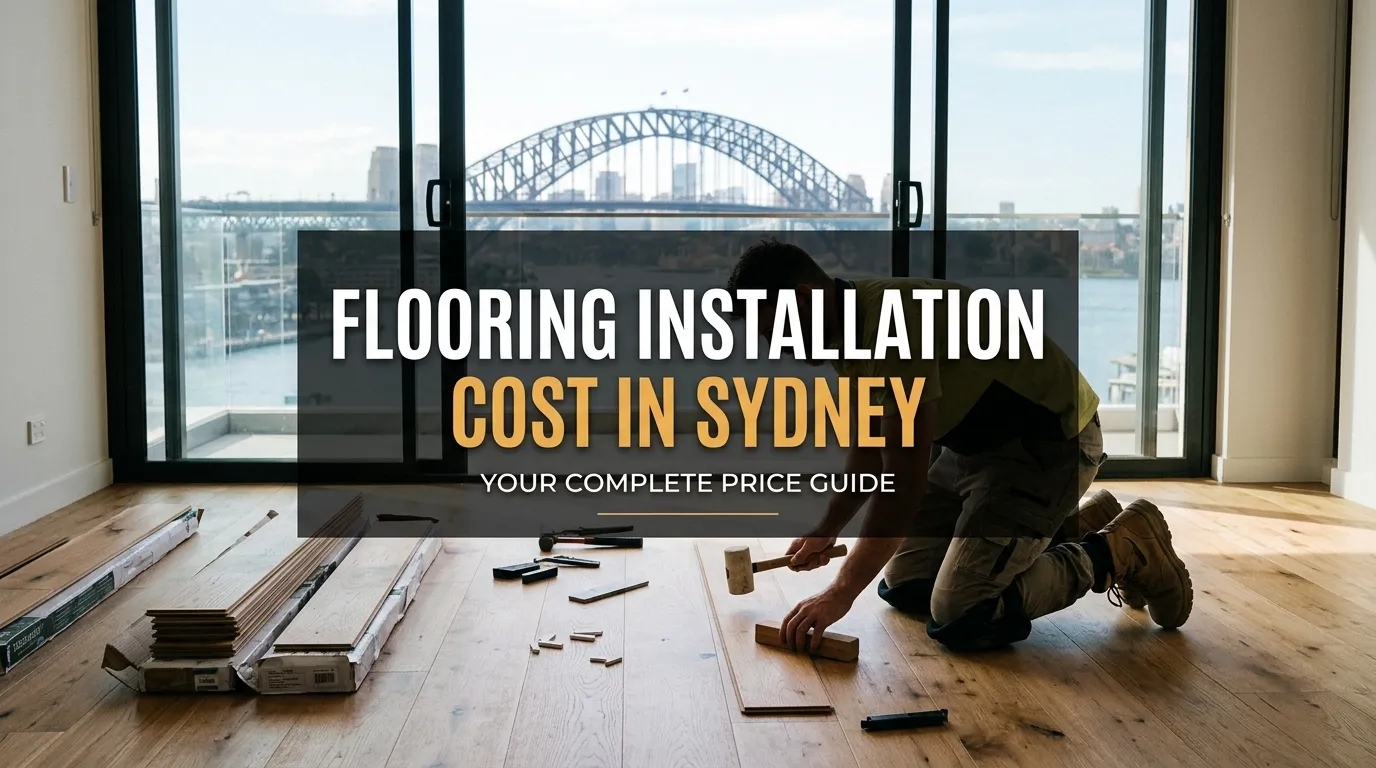

How Much is the Cost Of Timber Flooring in Australia? Complete Price Guide
Timber flooring can transform an Australian home with natural warmth, durability, and timeless appeal, but the total cost can vary significantly between projects. The timber species, flooring type, floor area, installation method, and subfloor condition all influence the final price. Understanding these costs helps homeowners choose suitable timber flooring without exceeding their renovation budget.
In this blog, we explain the cost of timber flooring in Australia, including material prices, installation costs, solid and engineered timber flooring costs, popular timber species, additional expenses, and location-based pricing. We also compare flooring options and explain how to reduce costs and get an accurate timber flooring quote. If you’re considering timber flooring Australia, this guide will help you understand the costs and make an informed decision.
In this blog
- What Is Timber Flooring?
- How Much Does Timber Flooring Cost in Australia?
- Cost of Timber Flooring by Type
- Timber Flooring Cost Comparison
- What Factors Affect the Cost of Timber Flooring in Australia?
- Cost of Timber Flooring Installation in Australia
- Cost of Popular Timber Flooring Species in Australia
- How Much Does Timber Flooring Cost for a Typical Australian Home?
- Additional Timber Flooring Costs to Consider
- Cost of Timber Flooring by Australian Location
- Is Timber Flooring Worth the Cost?
- Timber Flooring vs Other Flooring Options
- How to Reduce the Cost of Timber Flooring in Australia?
- Who Supplies and Installs Timber Flooring in Australia?
- Conclusion
- FAQs
What Is Timber Flooring?
Timber flooring is a natural or engineered wood flooring product used to create durable, warm, and visually appealing interior floors. If you’re wondering what is timber flooring, it refers to wood-based flooring available in several forms, each offering different characteristics for Australian homes. These include solid timber, engineered timber, hardwood, softwood, and reclaimed timber. Each type offers different levels of durability, moisture stability, appearance, maintenance, and cost, making some options more suitable for particular Australian homes and environments.
1. Solid Timber Flooring
Solid timber flooring is made from a single piece of natural wood throughout each floorboard. It provides a genuine timber appearance and can often be sanded and refinished several times. Its long lifespan and natural character make it a popular premium flooring choice.
2. Engineered Timber Flooring
Engineered timber flooring combines a real timber top layer with multiple layers of engineered wood underneath. This construction provides greater dimensional stability than many solid timber floors, particularly when temperature and humidity change. It can offer a natural timber appearance at a generally lower cost than premium solid timber.
3. Hardwood Timber Flooring
Hardwood timber flooring uses wood from hardwood tree species and is known for its strength and durability. Australian hardwoods such as Blackbutt and Spotted Gum are popular choices for residential flooring. Hardwood flooring can perform well in busy areas when properly installed and maintained.
4. Softwood Timber Flooring
Softwood timber flooring comes from softer wood species and generally provides a more affordable timber flooring option. Its softer surface can be more susceptible to dents and scratches than hardwood. It can suit lower-traffic rooms where a natural timber appearance is the main priority.
5. Reclaimed Timber Flooring
Reclaimed timber flooring uses wood recovered from older buildings, structures, or previous flooring applications. It provides distinctive colours, textures, marks, and character that create a unique interior appearance. Reclaimed timber can cost more when sourcing, cleaning, grading, and preparing the boards requires additional work.
How Much Does Timber Flooring Cost in Australia?
Timber flooring in Australia generally costs around 50-150+ per m² for materials, while professional installation can add approximately 30-60+ per m². The total cost depends on whether you choose solid, engineered, hardwood, or reclaimed timber flooring. Floor size, timber species, installation method, subfloor condition, and finishing requirements can also change the final project price.
1. Average Timber Flooring Cost per Square Metre
Average timber flooring material cost in Australia is approximately 50–150+ per m². Engineered timber can provide a more affordable option, while premium solid hardwood and specialty timber species can cost considerably more. Board thickness, timber grade, finish, species, and surface treatment all influence the material price. Homeowners should compare the specifications and expected lifespan rather than choosing solely on the lowest price.
2. Cost of Timber Flooring Installation
Timber flooring installation generally costs around 30-60+ per m² in Australia. Labour rate depends on the installation method, floor layout, timber type, and condition of the existing subfloor. Floating installation can be relatively straightforward for suitable engineered products, while glue-down, nail-down, sanding, and finishing can require additional labour. Complex layouts and difficult access can also increase installation costs.
3. Supply and Installation Cost
Combined supply and installation cost of timber flooring can generally range from around 80-210+ per m². The lower end typically applies to more affordable engineered or timber products with straightforward installation, while premium hardwood and complex installation can push the total considerably higher. Additional costs for subfloor preparation, old flooring removal, sanding, finishing, trims, and repairs may sit outside the basic supply-and-installation rate.
4. Factors That Influence the Final Price
Final timber flooring price depends on the material selected, project size, installation requirements, subfloor condition, labour rates, and additional preparation work. Premium timber species and higher-grade boards increase material costs, while larger projects may have different labour and material rates. Existing flooring removal, floor levelling, moisture protection, sanding, polishing, and finishing can also add to the budget. Detailed, itemised quote provides the most accurate project estimate.
Cost of Timber Flooring by Type
Timber flooring costs vary by flooring type, with engineered and solid timber offering different price points, installation requirements, and long-term performance. Hardwood and reclaimed timber can cost more depending on species, grade, sourcing, preparation, and finish. The table below provides indicative Australian pricing ranges for comparing the main timber flooring options.
Timber Flooring Type | Material Cost / m² | Installation Cost / m² | Estimated Total / m² | Key Cost Factors |
Solid Timber Flooring | 60-150+ | 35-60+ | 95-210+ | Timber species, grade, board thickness, installation method, sanding and finishing |
Engineered Timber Flooring | 50-120+ | 30-55+ | 80-175+ | Timber top layer, core construction, finish, plank size, installation method |
Hardwood Timber Flooring | 70-150+ | 35-60+ | 105-210+ | Hardwood species, grade, board quality, finish, installation complexity |
Reclaimed Timber Flooring | 80180+ | 49-70+ | 120-250+ | Timber availability, sourcing, restoration, grading, preparation, installation |
These are indicative Australian budgeting ranges. Actual timber flooring prices vary by supplier, timber species, location, project size, subfloor condition, installation method, and finishing requirements.
Timber Flooring Cost Comparison
Timber flooring costs vary considerably by construction, timber quality, sourcing, and installation requirements. The comparison below summarises the indicative material, installation, and combined costs for the main timber flooring types in Australia.
Timber Flooring Type | Material Cost / m² | Installation Cost / m² | Estimated Total / m² |
Engineered Timber | 50-120+ | 30-55+ | 80-175+ |
Solid Timber | 60-150+ | 35-60+ | 95-210+ |
Hardwood Timber | 70-150+ | 35-60+ | 105-210+ |
Reclaimed Timber | 80-180+ | 40-70+ | 120-250+ |
These figures are indicative of Australian price ranges. Actual costs can vary according to timber species, product quality, supplier, location, floor area, subfloor condition, installation method, and finishing requirements.
Ready to Transform Your Home's Flooring?
Get expert guidance on carpets, hybrid, timber, vinyl & laminate flooring. Book a free in-home consultation with our specialists today!
What Factors Affect the Cost of Timber Flooring in Australia?
Cost of timber flooring in Australia is mainly affected by timber species, board quality, project size, installation method, subfloor condition, existing flooring removal, and local labour rates. Premium timber and complex installation requirements can increase the upfront budget, while larger projects may have different material and labour pricing. Understanding these factors helps homeowners compare quotes accurately and choose flooring that fits their budget.
1. Timber Species and Wood Quality
Timber species and wood quality have a major influence on the price of timber flooring. Popular Australian hardwoods such as Blackbutt, Spotted Gum, and Jarrah can have different prices based on availability, grade, and demand. Imported species can also cost more because of sourcing and supply requirements. Hardness, grain pattern, colour, and natural durability can further affect the material cost.
2. Flooring Grade and Board Quality
Grade and overall quality of the floorboards can significantly change the price per square metre. Higher-grade timber generally has more consistent colour, fewer natural imperfections, and a more uniform appearance. Board thickness, width, surface finish, and manufacturing quality can also affect the cost. Premium boards may provide better visual consistency but usually require a higher initial investment.
3. Floor Area and Project Size
Total floor area directly affects how much timber, labour, underlay, trims, and finishing materials are required. Larger projects naturally require more materials, although some suppliers may offer better per-square-metre pricing for larger orders. Smaller projects can sometimes have a higher effective installation rate because setup and travel costs are spread over a smaller area. Accurate measurements help prevent unnecessary material purchases.
4. Installation Method
Installation methods can significantly affect timber flooring labour costs because each method requires different tools, preparation, and installation time. Floating, glue-down, nail-down, and secret-nail installation methods can have different labour requirements. Selected timber product and manufacturer’s specifications usually determine the suitable installation method. Complex patterns, detailed cuts, stairs, and difficult room layouts can further increase installation costs.
5. Subfloor Preparation
Subfloor preparation can increase the overall flooring cost when the existing surface is uneven, damaged, damp, or unsuitable for timber installation. Installers may need to level, repair, clean, or reinforce the subfloor before laying the boards. Stable and properly prepared surface helps reduce movement and installation problems. Cost depends on the condition of the subfloor and the amount of preparation required.
6. Existing Flooring Removal
Removing existing flooring can add significant labour and disposal costs before new timber flooring can be installed. Carpet, tiles, vinyl, laminate, and old timber can require different removal techniques and may leave adhesive or debris behind. Subfloor may also need additional cleaning or repairs after removal. Confirm whether removal and disposal are included when comparing flooring quotes.
7. Labour Rates and Location
Local labour rates and project location can influence the final cost of timber flooring installation across Australia. Major cities such as Sydney, Melbourne, Brisbane, Perth, and Adelaide can have different labour and operating costs. Site accessibility, parking, stairs, travel distance, and project complexity can also affect the installation rate. Comparing itemised quotes from local flooring professionals provides a clearer picture of the actual project cost.
Cost of Timber Flooring Installation in Australia
Timber flooring installation in Australia generally costs around 30-60+ per m², depending on the flooring type, installation method, subfloor condition, and finishing requirements. Floating installation can be relatively straightforward, while glue-down and nail-down methods may require more labour and preparation. Sanding, polishing, and finishing can add further costs, particularly for solid timber flooring. Project size, room layout, access, and location can also influence the final installation price.
1. Floating Timber Floor Installation
Floating timber floor installation generally costs around 30-45 per m² for suitable engineered timber products. Boards connect through a locking or joining system and are installed over an appropriate underlay without being permanently fixed to the subfloor. Preparation remains important because uneven or unsuitable surfaces can affect floor performance. Simple room layouts can help keep installation labour within the lower end of the range.
2. Glue-Down Installation
Glue-down timber flooring installation generally costs around 35-50+ per m² because it requires careful adhesive application and suitable subfloor preparation. Installers bond each board directly to the prepared surface, which can provide strong floor stability and reduced movement. Subfloor moisture levels and flatness need to meet the flooring manufacturer’s requirements. Larger areas and straightforward layouts can make labour costs more predictable.
3. Nail-Down or Secret-Nail Installation
Nail-down or secret-nail timber flooring installation generally costs around 40-60+ per m² because it requires specialist tools, careful board positioning, and suitable subfloor construction. Installers secure boards using nails or cleats that are positioned to remain concealed within the flooring system. Solid timber flooring commonly uses this type of installation where site conditions allow. Extra preparation may be required when the existing subfloor is unsuitable for mechanical fixing.
4. Sanding, Polishing and Finishing Costs
Sanding, polishing, and finishing can add around 25-50+ per m² depending on the timber condition, coating system, and amount of preparation required. Sanding removes surface imperfections and creates an even base before applying a protective finish. Polishing or coating helps enhance the timber’s appearance while providing protection against everyday wear. Existing floors may require additional repairs, stain removal, or multiple coating applications, which can increase the final cost.
Cost of Popular Timber Flooring Species in Australia
Timber flooring prices vary between species because availability, hardness, appearance, grade, sourcing, and manufacturing requirements can all affect the material cost. Australian hardwoods can offer excellent durability, while oak provides a popular contemporary appearance with different colour and grain options. Figures below provide indicative material price ranges, while installation and finishing costs may apply separately.
1. Cost of Blackbutt Timber Flooring
Blackbutt timber flooring generally costs around 70-130+ per m² for materials, depending on grade and product quality. Blackbutt is a popular Australian hardwood recognised for its light to golden colour and distinctive grain. Its durability makes it suitable for busy residential areas when properly installed and maintained. Premium grades, wider boards, and higher-quality finishes can increase the price.
2. Cost of Spotted Gum Timber Flooring
Spotted Gum timber flooring generally costs around 75-140+ per m² for materials. Spotted Gum is valued for its durability, natural variation, and distinctive grain patterns, with colours ranging from light brown to deeper earthy tones. Different grades can create significantly different visual appearances. Premium boards and specialised finishes can push the material cost toward the higher end.
3. Cost of Oak Timber Flooring
Oak timber flooring generally costs around 60-130+ per m², depending on whether the product is engineered or solid and where it is sourced. Oak offers a versatile grain pattern and is available in many stains, colours, textures, and finishes. Engineered oak can provide greater dimensional stability than solid oak in some applications. Imported varieties and premium finishes can increase the overall material price.
4. Cost of Jarrah Timber Flooring
Jarrah timber flooring generally costs around 80-150+ per m² for materials, depending on grade, availability, and product quality. Jarrah is an Australian hardwood known for its rich red to reddish-brown colour and strong natural durability. Its distinctive appearance can create a premium interior finish. Higher-grade boards, limited availability, and specialised finishing can increase the overall cost.
5. Cost of Australian Hardwood Timber Flooring
Australian hardwood timber flooring generally costs around 70-150+ per m², depending on the species, grade, board dimensions, and finish. Popular species include Blackbutt, Spotted Gum, Jarrah, and other locally sourced hardwoods. These timbers are often selected for their strength and natural durability. Premium species and carefully graded boards can command higher prices than standard hardwood flooring products.
How Much Does Timber Flooring Cost for a Typical Australian Home?
Timber flooring for a typical Australian home can cost roughly 8,000-30,000+ for supply and professional installation, depending on floor area, timber type, product quality, and preparation requirements. Smaller apartments generally require less material and labour, while larger homes can require a significantly higher budget. Solid hardwood and premium timber products can also increase the total cost compared with standard engineered timber. These figures are indicative and exclude major structural repairs or extensive existing-floor removal.
1. One-Bedroom Apartment
Timber flooring for a one-bedroom apartment may cost approximately 4,000-9,000 for supply and installation, depending on the area being covered. Engineered timber can provide a more affordable option, while premium solid timber can increase the budget. Apartment access, lift availability, stairs, and existing flooring removal can affect labour costs. Smaller projects may also have a higher per-square-metre installation rate because setup costs are spread over less floor area.
2. Two-Bedroom Unit
Two-bedroom unit may cost approximately 6,000-13,000 for timber flooring supply and professional installation. The final price depends on the floor area, selected timber species, installation method, and subfloor condition. Existing carpet, tiles, or other flooring may require removal before installation. Choosing engineered timber can help control costs while still providing a natural timber surface.
3. Three-Bedroom House
Timber flooring for a three-bedroom house may cost approximately 9000-18,000 for supply and installation, depending on the total area covered. Larger floor plans require more boards, underlay, trims, and labour, which increases the overall budget. Premium hardwood species and complex layouts can push the cost higher. Subfloor preparation, existing flooring removal, and sanding or finishing may also add to the final project price.
4. Four-Bedroom House
Four-bedroom house may cost approximately 12000-25,000+ for timber flooring supply and professional installation. Larger homes require more material and installation time, particularly when multiple rooms, hallways, stairs, or irregular areas are included. Solid hardwood can create a higher upfront investment than engineered timber. Choosing the rooms that need timber flooring most can help homeowners manage the overall renovation budget.
5. Whole-Home Timber Flooring
Whole-home timber flooring can cost approximately 15000-30,000+ depending on the property’s total floor area, timber selection, installation method, and preparation requirements. Premium species, high-grade boards, detailed installation, and extensive finishing can increase the budget substantially. Larger projects may provide opportunities to negotiate material or installation pricing with suppliers. An itemised quote based on accurate measurements provides the most reliable estimate for whole-home installation.
These figures are indicative Australian budgeting ranges rather than fixed prices. Actual costs vary by timber species, supplier, location, floor area, installation method, subfloor condition, existing flooring, and finishing requirements.
Additional Timber Flooring Costs to Consider
Additional timber flooring costs can come from subfloor preparation, existing flooring removal, underlay, moisture protection, trims, sanding, finishing, and floor repairs. These expenses may sit outside the basic material and installation rate and can increase the final project budget. Identifying potential extras before installation helps homeowners prepare a more realistic budget. An itemised quote can also make it easier to understand which services are included.
1. Subfloor Levelling and Preparation
Subfloor levelling and preparation can increase timber flooring costs when the existing surface is uneven, unstable, or unsuitable for installation. Installers may need to use levelling compounds, grinding, cleaning, or other preparation techniques before laying the timber. Proper preparation helps reduce movement, gaps, and installation problems. The final cost depends on the size and condition of the affected area.
2. Existing Flooring Removal and Disposal
Existing flooring removal and disposal can add labour and waste-management costs before new timber flooring is installed. Carpet, tiles, vinyl, laminate, and old timber can require different removal techniques and disposal arrangements. Adhesive residue or damaged surfaces may also require additional cleaning and preparation. Confirm whether removal and disposal are included in the flooring quote before work begins.
3. Underlay and Moisture Barrier
Underlay and moisture barriers can add to the flooring budget when the selected timber product or subfloor requires additional protection. Underlay may provide acoustic insulation and cushioning for suitable floating timber systems, while moisture barriers can help protect flooring from moisture-related issues. Not every timber flooring system requires the same products. Installation should always follow the flooring manufacturer’s specifications.
4. Skirting Boards and Trims
Skirting boards and trims can create additional costs when existing boards need to be removed, replaced, adjusted, or refinished during flooring installation. Transition trims may also be required where timber meets carpet, tiles, hybrid flooring, or other surfaces. Doorways, room transitions, and changes in floor height can increase the amount of finishing work. Including these requirements in the initial quote helps prevent unexpected expenses.
5. Sanding and Surface Finishing
Sanding and surface finishing can add significant costs, particularly when installing unfinished solid timber flooring that requires treatment after installation. Sanding creates a smooth and even surface before applying oil, polish, lacquer, or another protective coating. Existing timber floors may also require sanding and refinishing to restore their appearance. The number of coats, floor condition, and finish selected can affect the final price.
6. Floor Repairs and Preparation
Floor repairs can increase the total timber flooring cost when the subfloor or existing structure has damage that needs to be corrected before installation. Repairs may involve filling cracks, replacing damaged sections, correcting uneven areas, or addressing moisture-related problems. Installing timber over an unstable surface can lead to movement and premature damage. Professional assessment helps identify necessary repairs before installation begins.
Cost of Timber Flooring by Australian Location
Timber flooring costs vary across Australian cities because labour rates, supplier pricing, transport, availability, and site conditions differ by location. Material prices can remain relatively similar for the same timber product, but installation and preparation costs can change between cities. The following ranges provide indicative budgeting guidance for standard timber flooring supply and professional installation.
1. Cost of Timber Flooring in Sydney
Timber flooring in Sydney can typically cost around 90-220+ per m² for supply and professional installation. Higher labour rates, property access, and project complexity can increase the final price. Premium hardwood and high-grade engineered timber can also push costs toward the upper end. Existing flooring removal and subfloor preparation may add further expenses.
Explore Timber Flooring in Sydney2. Cost of Timber Flooring in Melbourne
Timber flooring in Melbourne can typically cost around 85-210+ per m² for supply and installation. Final price depends on timber species, flooring quality, installation method, and the condition of the existing floor. Larger projects may have different material or labour pricing compared with smaller installations. Sanding and finishing requirements can also increase the total project budget.
Explore Timber Flooring in Melbourne3. Cost of Timber Flooring in Brisbane
Timber flooring in Brisbane can generally cost around 80-200+ per m² for supply and professional installation. Engineered timber can provide a practical option for homeowners seeking dimensional stability, while hardwood offers natural durability and character. Humidity and moisture conditions can also make suitable subfloor preparation important. Labour, access, floor layout, and existing flooring removal can influence the final quote.
Explore Timber Flooring in Brisbane4. Cost of Timber Flooring Perth
Timber flooring in Perth can typically cost around 80-200+ per m² for supply and professional installation. Product availability, transport, local labour rates, and the selected timber species can affect the overall cost. Larger projects may have different per-square-metre pricing than smaller installations. Homeowners should also account for subfloor preparation, removal, trims, and finishing where required.
Explore Timber Flooring in Perth5. Cost of Timber Flooring in Adelaide
Timber flooring in Adelaide can generally cost around 75-190+ per m² for supply and installation. Final price depends on the timber type, floor area, installation method, and preparation required. Premium hardwood and high-quality engineered timber can increase material costs, while complex layouts can increase labour requirements. Comparing detailed quotes from local flooring suppliers can help establish a realistic project budget.
Get Timber Flooring Installed in AdelaideIs Timber Flooring Worth the Cost?
Yes, timber flooring is generally worth the cost for homeowners who value natural appearance, durability, long-term performance, and property appeal. Although the upfront investment can be higher than some alternatives, quality timber flooring can provide a long service life when properly installed and maintained.
Natural appearance: Genuine timber provides unique grain patterns, colours, and textures that can add warmth and character to interior spaces.
Durability: Quality hardwood and well-maintained timber flooring can withstand years of everyday household use.
Long lifespan: Solid timber can often be sanded and refinished multiple times, helping extend its usable life.
Property appeal: Well-maintained timber floors can create a premium appearance that may improve the overall presentation of a property.
Design flexibility: Timber flooring is available in different species, colours, grades, finishes, plank widths, and installation patterns.
Long-term value: Higher initial costs can be worthwhile when the flooring provides years of service with appropriate maintenance and refinishing.
Timber Flooring vs Other Flooring Options
Timber flooring offers a natural appearance and strong long-term value, while hybrid, vinyl, laminate, and carpet can provide advantages in areas such as moisture resistance, affordability, or maintenance. Comparing material and installation costs alongside durability and maintenance requirements can help homeowners choose the most suitable flooring for each room.
Flooring Type | Material Cost / m² | Installation Cost / m² | Durability | Maintenance |
Timber | 50-150+ | 30-60+ | High | Moderate |
Hybrid | 30-90+ | 30-50+ | High | Low |
Vinyl | 25-70+ | 25-45+ | Moderate–High | Low |
Laminate | 20-60+ | 25-45+ | Moderate–High | Low |
Carpet | 20-80+ | 20-40+ | Moderate | Moderate–High |
Prices are indicative Australian ranges and can vary by product quality, supplier, location, floor area, subfloor condition, and installation requirements.
Also Read: Is Timber Flooring Suitable for Adelaide’s Climate? Complete Guide 2026How to Reduce the Cost of Timber Flooring in Australia?
You can reduce the cost of timber flooring in Australia by comparing suppliers, selecting a suitable timber species, choosing between solid and engineered timber carefully, preparing the subfloor, comparing installation quotes, and considering supply-and-installation packages. Choosing the cheapest material is not always the best approach because timber quality and installation can affect long-term performance. Comparing the complete project cost helps you find better value without compromising on flooring quality.
1. Compare Multiple Timber Flooring Suppliers
Comparing multiple timber flooring suppliers can help you find competitive prices for similar products and specifications. Check timber species, grade, board thickness, finish, warranty, and included services rather than comparing the price per square metre alone. Some suppliers may offer discounts for larger projects or selected product ranges. Obtaining several itemised quotes makes it easier to identify genuine value.
2. Choose the Right Timber Species
Choosing the right timber species can help control material costs while providing the durability and appearance your home requires. Premium or less readily available species can command higher prices than commonly available options. Australian hardwoods such as Blackbutt and Spotted Gum offer different combinations of colour, durability, and cost. Match the timber species to room usage, design preferences, and expected foot traffic.
3. Select Between Solid and Engineered Timber Carefully
Choosing between solid and engineered timber carefully can help balance upfront cost, performance, and long-term value. Engineered timber can provide a genuine timber surface with greater dimensional stability and may cost less than some premium solid timber options. Solid timber can offer greater refinishing potential but may require a higher initial investment. Consider the property’s conditions and long-term flooring goals before making the choice.
4. Prepare the Subfloor Before Installation
Preparing the subfloor before installation can help reduce additional labour and repair costs during the flooring project. Address uneven areas, damage, moisture concerns, and loose sections before the installer begins where possible. Suitable preparation can make installation more efficient and reduce the risk of future flooring problems. Professional assessment is recommended when significant subfloor issues are present.
5. Compare Installation Quotes
Comparing installation quotes helps you identify competitive labour rates while ensuring the required work is included. Request itemised pricing for installation, subfloor preparation, removal, disposal, sanding, finishing, trims, and other applicable services. Very low installation rate may exclude important preparation or finishing work. Comparing the complete scope of each quote provides a more accurate basis for choosing an installer.
6. Consider Supply and Installation Packages
Supply-and-installation packages can provide better overall value when a flooring supplier offers competitive pricing for both materials and professional installation. Bundling services can also simplify project management by dealing with one provider throughout the flooring process. Check the timber specification, installation method, preparation work, warranty, and finishing services included in the package. Compare the package with separate material and labour quotes before making a decision.
Also Read: Timber Vs Laminate Flooring in Brisbane: Complete Guide 2026Who Supplies and Installs Timber Flooring in Australia?
Gorkha Flooring supplies and professionally installs timber flooring for residential and commercial properties across Australia. As experienced flooring suppliers and installation in Australia, they provide timber flooring options suited to different budgets, interior styles, room requirements, and performance needs. Professional installation also helps ensure the selected flooring is correctly prepared, fitted, and finished for long-term use.
Why Choose Gorkha Flooring?
Gorkha Flooring can help homeowners choose and install timber flooring based on their property’s requirements, budget, and preferred style. Their Team can assist with selecting suitable timber products, understanding installation requirements, and planning the flooring project. Professional installation can help achieve accurate fitting, proper finishing, and a consistent final appearance. Customers can also discuss project-specific requirements before receiving a flooring quote.
Conclusion
Cost of timber flooring in Australia can vary significantly depending on the timber species, flooring type, product quality, floor area, installation method, location, and subfloor condition. Engineered timber can provide a practical balance between cost and stability, while solid and hardwood timber can offer natural character, durability, and long-term refinishing potential. Additional expenses such as flooring removal, subfloor preparation, sanding, finishing, trims, and moisture protection should also be considered when planning your budget.
Timber flooring can be a worthwhile investment for homeowners who want natural beauty, durability, and lasting property appeal. Comparing suppliers, selecting the right timber species, and obtaining detailed installation quotes can help control the overall cost. Gorkha Flooring can assist with timber flooring supply and professional installation, helping Australian homeowners choose a suitable flooring solution based on their property, budget, and design requirements.
FAQs
How much does timber flooring cost per square metre in Australia?
Timber flooring typically costs around 50-150+ per m² for materials in Australia. Supply and professional installation can bring the combined cost to approximately 80-210+ per m², depending on timber type, quality, location, and preparation requirements.
What is the cost of engineered timber flooring?
Engineered timber flooring generally costs around 50-120+ per m² for materials. Installation can add approximately 30-55+ per m², depending on the installation method, subfloor condition, floor layout, and project location.
What is the cost of solid timber flooring?
Solid timber flooring generally costs around 60–150+ per m² for materials. Professional installation can add approximately 35–60+ per m², with sanding, polishing, finishing, and subfloor preparation potentially increasing the total project cost.
How much does timber flooring installation cost?
Timber flooring installation generally costs around 30-60+ per m² in Australia. Floating installation can be less labour-intensive, while glue-down, nail-down, sanding, and finishing requirements can increase the installation cost.
What is the cost of hardwood timber flooring?
Hardwood timber flooring generally costs around 70-150+ per m² for materials. The final price depends on the species, grade, board dimensions, finish, availability, and whether the flooring is supplied as solid or engineered hardwood.
What is the cost of Blackbutt timber flooring?
Blackbutt timber flooring generally costs around 70-130+ per m² for materials. Grade, board quality, finish, availability, and product construction can affect the final price, while installation and finishing are generally charged separately.
Is engineered timber cheaper than solid timber flooring?
Engineered timber is generally cheaper than premium solid timber flooring, although prices overlap depending on product quality and timber species. Engineered flooring can provide a genuine timber surface with greater dimensional stability, while solid timber offers greater thickness and potential for repeated refinishing.
How long does timber flooring last?
Quality timber flooring can last around 20-50 years or longer when properly installed and maintained. Solid timber can potentially last even longer because it can be sanded and refinished multiple times, while the lifespan of engineered timber depends partly on the thickness of its real timber wear layer.
Is timber flooring worth the cost?
Yes, timber flooring can be worth the cost for homeowners who value natural appearance, durability, longevity, and property appeal. Although the upfront investment can be higher than some alternatives, quality timber can provide many years of service when correctly installed and maintained.
Who installs timber flooring in Australia?
Gorkha Flooring supplies and professionally installs timber flooring for residential and commercial properties across Australia. Their team can assist with product selection, flooring supply, installation, and project-specific requirements based on the property’s needs and budget.