How to Choose Commercial Flooring for Melbourne Retail Shops? Complete Guide 2027
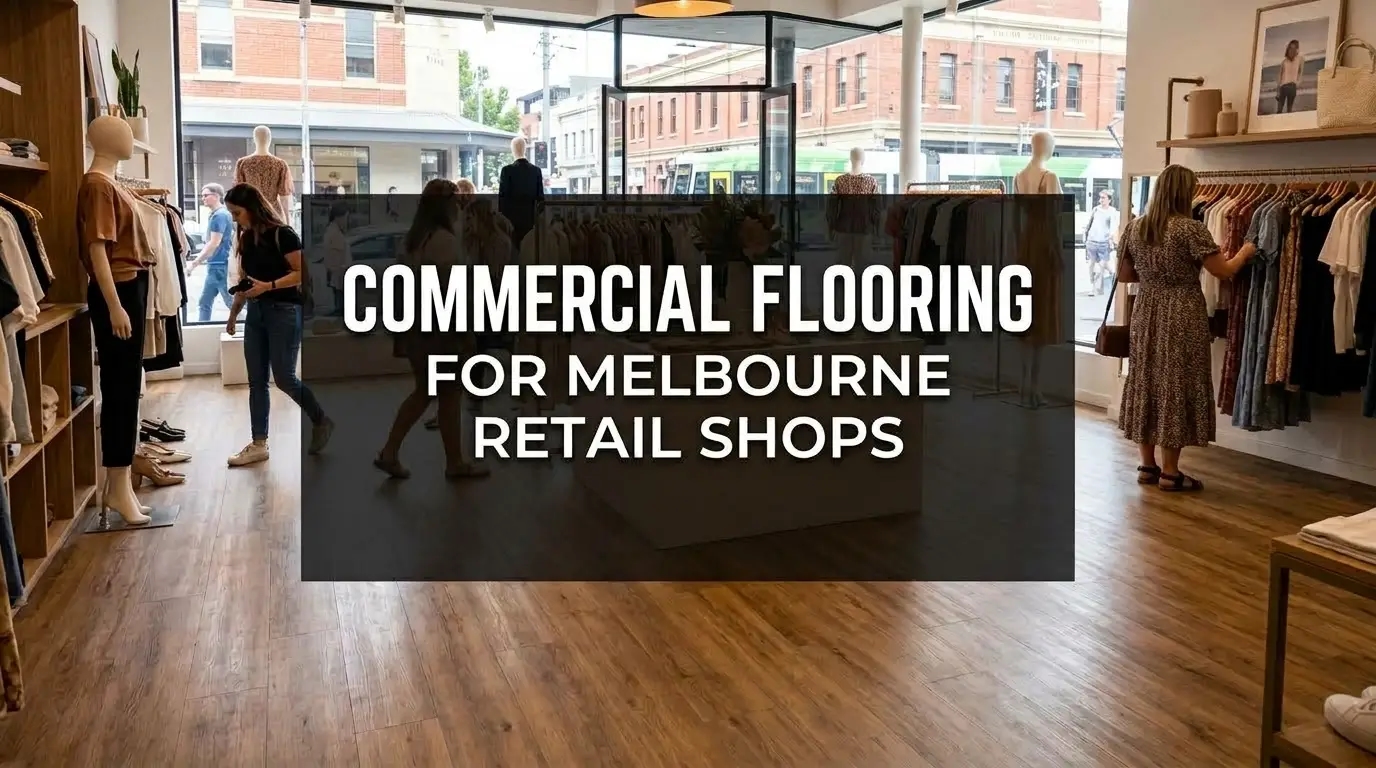
Choosing flooring for a retail shop involves more than selecting a surface that matches the store's interior. Retail floors must handle regular customer traffic, staff movement, display fixtures, cleaning, spills and long operating hours while maintaining a professional appearance. The right flooring should balance durability, safety, maintenance, comfort and design.
In this blog, we explain how to choose commercial flooring for Melbourne retail shops, covering the best flooring options, commercial wear ratings, flooring for different areas, flooring installation in Melbourne, maintenance requirements and common mistakes to avoid. You will also learn what to consider when selecting flooring based on traffic, moisture exposure, store layout and business requirements.
In this blog
- What Is Commercial Flooring for Melbourne Retail Shops?
- How Do You Choose Commercial Flooring for a Melbourne Retail Shop?
- Best Commercial Flooring Options for Melbourne Retail Shops
- How Does Retail Foot Traffic Affect Commercial Flooring Selection?
- Choosing Flooring for Different Areas of a Retail Shop
- What Makes Flooring Suitable for Melbourne Retail Environments?
- Commercial Flooring Features to Compare Before Choosing
- Commercial Flooring vs Residential Flooring for Retail Shops
- How Much Does Commercial Flooring for Melbourne Retail Shops Cost?
- How Long Does Commercial Flooring Installation Take?
- Flooring Maintenance for Melbourne Retail Shops
- Common Commercial Flooring Mistakes in Retail Shops
- Who Supplies and Installs Commercial Flooring in Melbourne?
- Conclusion
- FAQS
What Is Commercial Flooring for Melbourne Retail Shops?
Commercial flooring for Melbourne retail shops is flooring designed and rated to withstand the higher traffic, wear, cleaning and operating demands of retail environments. Unlike typical residential flooring, commercial products are selected based on factors such as foot traffic, durability, maintenance, slip resistance and the intended application. When comparing the best types of flooring for Melbourne, retailers should also check product classification and manufacturer-approved commercial use before installation.
Explore Flooring Instalallation In MelbourneHow Do You Choose Commercial Flooring for a Melbourne Retail Shop?
You can choose commercial flooring for a Melbourne retail shop based on foot traffic, durability, moisture exposure, maintenance, safety, appearance and the specific requirements of each area. Flooring should also have an appropriate commercial classification and meet the manufacturer's requirements for the intended application. Assessing these factors before purchase can help balance long-term performance with the store's design and budget.
Foot traffic: Consider the number of customers and staff using the floor each day.
Commercial durability: Check the product's wear rating and classification for the expected level of use.
Moisture and spills: Consider exposure to rain, tracked-in moisture, drinks and cleaning water.
Slip resistance: Select flooring with suitable slip-resistance characteristics for areas where moisture or spills may occur.
Maintenance: Choose a surface that fits the store's daily cleaning routine and maintenance capacity.
Appearance: Consider colour, texture, pattern and finish in relation to the store's interior and brand identity.
Installation requirements: Check subfloor preparation, installation method, commercial warranty conditions and expected installation time before making a final decision.
What Should You Look for in Retail Shop Flooring?
Retail shop flooring should provide suitable durability, safety, easy maintenance and appearance while meeting the demands of the specific commercial environment. Look for products with appropriate commercial ratings and manufacturer-approved applications. The flooring should also suit the traffic, moisture exposure, cleaning routine and customer experience of the store.
Best Commercial Flooring Options for Melbourne Retail Shops
Best commercial flooring options for Melbourne retail shops include vinyl, hybrid, carpet tiles, timber, engineered timber, laminate, porcelain and ceramic tiles, and polished concrete. Each material offers different levels of durability, moisture resistance, comfort, maintenance and design flexibility. The right choice depends on the store's traffic, layout, operating conditions, interior design and the manufacturer's approved commercial applications.
1. Commercial Vinyl Flooring
Commercial vinyl flooring is a practical option for retail shops because vinyl flooring in Melbourne can provide durability, easy maintenance and resistance to everyday spills when the appropriate product is selected. It is available in different formats and designs that can replicate timber, stone and other finishes. Commercial wear layers can provide additional protection in busy areas, while the product's classification should be checked for the intended retail application.
Explore Vinyl Flooring In Brisbane2. Hybrid Flooring for Retail Shops
Hybrid flooring can suit selected retail areas when hybrid flooring in Melbourne is specifically rated and approved for commercial use. Its timber-look appearance can complement modern retail interiors, while click-lock installation can offer practical installation benefits. Some products provide water-resistant or waterproof features, but performance varies between products. Always check commercial ratings, warranty conditions and manufacturer installation requirements.
Explore Hybrid Flooring In Brisbane3. Commercial Carpet Tiles
Commercial carpet tiles can be suitable for retail shops where comfort, appearance and acoustic performance are important considerations. Carpet tiles in Melbourne can help reduce footfall noise and create a softer customer environment than hard flooring surfaces. Individual damaged or heavily stained tiles can also be replaced without necessarily removing the entire floor. However, carpet tiles may require more maintenance in areas exposed to frequent spills or tracked-in moisture.
Explore Carpet Tiles In Melbourne4. Timber and Engineered Timber Flooring
Timber and engineered timber flooring can provide a natural, premium appearance for retail stores where interior design is an important part of the customer experience. Suitable timber flooring in Melbourne can offer durability and, depending on the system, may be refinished to extend its service life. However, timber requires appropriate maintenance and can be affected by excessive moisture. Commercial suitability and installation requirements should be checked before selection.
Explore Timber Flooring In Melbourne5. Laminate Flooring for Retail Stores
Commercially rated laminate flooring in Melbourne can provide a timber or stone-look appearance with a range of designs suitable for retail interiors. It can be considered for areas where visual appeal and practical maintenance are important, provided the product is approved for the intended commercial traffic. Moisture exposure should also be assessed because laminate products can have different moisture-resistance characteristics. Manufacturer specifications and warranty conditions should be checked before installation.
Explore Laminate Flooring in Melbourne6. Porcelain and Ceramic Floor Tiles
Porcelain and ceramic tiles can provide a durable, moisture-resistant flooring surface for retail shops, particularly in areas exposed to spills or heavy traffic. They are available in a wide range of colours, sizes, textures and patterns, allowing retailers to match different interior styles. Slip-resistant finishes can be considered where appropriate. Grout requires regular cleaning, while installation may require more subfloor preparation and time than some floating flooring systems.
7. Polished Concrete
Polished concrete can be a durable option for retail shops seeking a modern, industrial or minimalist appearance. Its continuous hard surface can handle substantial foot traffic and can be relatively straightforward to maintain when properly finished. However, polished concrete is hard underfoot and can contribute to noise in large retail spaces. The concrete surface, sealing system and maintenance requirements should be assessed before installation.
How Does Retail Foot Traffic Affect Commercial Flooring Selection?
Retail foot traffic directly affects commercial flooring selection because busy shops need flooring that can withstand repeated customer movement, staff traffic, furniture movement and regular cleaning without excessive wear. Small boutique with moderate traffic may have different flooring requirements from a busy supermarket or shopping-centre store. The flooring's commercial classification, wear rating and manufacturer-approved application should therefore match the expected level of use.
Customer traffic: Estimate how many customers enter the store and how frequently the flooring is used each day.
Staff movement: Consider repeated walking behind counters, through aisles and between customer and storage areas.
High-traffic zones: Entrances, checkout areas and main aisles generally experience more wear than quieter sections.
Furniture movement: Display units, shelves, trolleys and other equipment can create additional pressure and surface wear.
Commercial wear rating: Check that the flooring classification is appropriate for the expected traffic level and intended retail application.
Maintenance requirements: Higher traffic usually means more frequent cleaning and maintenance, so choose flooring that can support the store's routine.
Choosing Flooring for Different Areas of a Retail Shop
Right flooring for a retail shop can vary by area because entrances, customer spaces, checkout counters, fitting rooms and stockrooms experience different levels of traffic, moisture, cleaning and equipment movement. Choosing flooring according to how each space is used can improve durability and maintenance while supporting the store's overall design. In some retail environments, using different flooring products in different areas may be more practical than using one material throughout.
1. Best Flooring for Retail Store Entrances
Retail store entrances need flooring that can withstand high foot traffic, tracked-in dirt and moisture while providing suitable slip resistance. Commercial vinyl and appropriately rated porcelain or ceramic tiles can be considered depending on the store's design and conditions. Entrance mats can help capture dirt and moisture before it reaches the main floor. The selected flooring should also be suitable for regular cleaning and the expected commercial traffic.
2. Best Flooring for Retail Aisles and Customer Areas
Retail aisles and customer areas need flooring that balances durability, appearance, comfort and easy maintenance. Commercial vinyl, suitable hybrid flooring, timber, engineered timber, laminate and tiles can provide different combinations of these characteristics. The expected customer traffic and movement of shopping equipment should be considered when selecting the product. The flooring should also complement displays and the overall store design.
3. Best Flooring for Checkout and Service Areas
Checkout and service areas require flooring that can handle repeated staff movement, customer queues, furniture and equipment while remaining easy to maintain. Commercial vinyl, suitable tiles and other commercially rated flooring systems can be considered depending on the environment. Spills and cleaning requirements should also be assessed, particularly around food, drinks or service counters. A suitable commercial wear rating is important for areas that experience continuous use.
4. Best Flooring for Fitting Rooms
Fitting rooms benefit from flooring that combines customer comfort, appearance, durability and straightforward maintenance. Carpet tiles can provide a softer and quieter surface, while vinyl, hybrid or other suitable flooring can offer easier cleaning and a different visual style. The choice should reflect the store's brand and expected customer traffic. Flooring should also withstand regular cleaning and furniture movement.
5. Best Flooring for Stockrooms and Back-of-House Areas
Stockrooms and back-of-house areas need practical flooring that can withstand staff traffic, storage equipment, trolleys and frequent movement of goods. Durable commercial vinyl, tiles or other appropriately rated products may be considered depending on the conditions. The flooring should be easy to clean and suitable for the weight and movement of equipment used in the space. Moisture, spills and subfloor conditions should also be assessed before installation.
Ready to Transform Your Home's Flooring?
Get expert guidance on carpets, hybrid, timber, vinyl & laminate flooring. Book a free in-home consultation with our specialists today!
What Makes Flooring Suitable for Melbourne Retail Environments?
Flooring for Melbourne retail environments should withstand regular foot traffic, cleaning, spills, tracked-in moisture and furniture movement while maintaining a suitable appearance and performance. Melbourne's changing weather can make moisture management particularly important around entrances and exposed areas. Flooring should also have an appropriate commercial classification, suitable slip-resistance characteristics and maintenance requirements that match the store's daily operations. Proper subfloor preparation and manufacturer-approved installation can further support long-term flooring performance.
Commercial Flooring Features to Compare Before Choosing
Comparing commercial flooring based on durability, safety, maintenance, appearance and installation requirements can help Melbourne retail shops select a product that suits their operating environment. No single feature determines whether flooring is suitable, so retailers should consider how the material will perform under customer traffic, cleaning, spills, furniture movement and everyday store operations.
Commercial Flooring vs Residential Flooring for Retail Shops
Commercial flooring is generally designed for higher levels of foot traffic, wear and maintenance than residential flooring, making product classification important for retail shops. Retailers should select flooring based on the expected use of the space rather than assuming a residential product will provide sufficient commercial performance.
How Much Does Commercial Flooring for Melbourne Retail Shops Cost?
Commercial flooring for Melbourne retail shops can typically cost around 40-150+ per m² for supply and standard installation, depending on the flooring type and project requirements. Vinyl and laminate can sit toward the lower end, while premium timber, specialised commercial products, tiles and more complex installations can cost more. The final flooring installation cost in Melbourne depends on the product, floor area, subfloor condition, installation method and site access. For an accurate estimate, retailers should compare both material and installation costs.
What Can Increase Retail Flooring Installation Costs?
Retail flooring installation costs can increase when the project requires premium materials, extensive subfloor preparation, difficult access or additional installation work. Existing flooring removal, floor levelling and repairs can also add to the overall project cost. Retailers should consider these factors when setting a flooring budget.
Flooring material: Premium vinyl, timber, engineered timber, tiles and specialised commercial products can have higher supply costs.
Subfloor preparation: Uneven, damaged or unsuitable subfloors may require levelling, repairs or additional preparation before installation.
Existing flooring removal: Removing and disposing of old flooring can increase labour and disposal costs.
Installation method: Glue-down, tiled or other specialised installation methods may require more labour than some floating flooring systems.
Site access: Difficult access, restricted working hours, multiple levels or limited loading areas can increase installation time and labour requirements.
Retail operating conditions: Working around existing displays, fixtures, stock and customer areas may require staged installation or additional site planning.
How Long Does Commercial Flooring Installation Take?
Commercial flooring installation for a Melbourne retail shop can take anywhere from 1–7 days, depending on the floor area, flooring type, subfloor condition and project complexity. Smaller retail spaces with straightforward preparation may be completed within a day or two, while larger shops or projects requiring extensive subfloor preparation can take longer. Existing flooring removal, furniture or fixture relocation, restricted access and staged installation can also extend the timeframe. The installer should assess the site and flooring requirements before confirming the expected installation schedule.
Flooring Maintenance for Melbourne Retail Shops
Regular flooring maintenance helps Melbourne retail shops preserve appearance, reduce wear and extend the service life of commercial flooring. Retail floors face daily foot traffic, dirt, spills, furniture movement and frequent cleaning, so maintenance should match the flooring material and level of use. Following the manufacturer's cleaning and maintenance instructions is important because different flooring products have different requirements. Consistent maintenance routine can also help identify minor damage before it becomes a larger problem.
How to Keep Retail Shop Flooring Clean?
You can keep retail shop flooring clean by removing dirt regularly, addressing spills quickly and using cleaning products recommended for the specific flooring material. High-traffic areas may require more frequent cleaning than quieter parts of the store. Avoid excessive water or unsuitable chemicals that could damage the flooring or affect its finish.
Sweep or vacuum regularly: Remove dust, dirt and grit before they can contribute to surface wear.
Clean spills promptly: Deal with food, drinks and other spills as soon as possible to reduce staining and moisture exposure.
Use suitable cleaning products: Follow the flooring manufacturer's recommendations for detergents, equipment and cleaning methods.
Use entrance mats: Place suitable mats at entrances to help capture dirt and moisture brought in from outside.
Increase cleaning in busy areas: Entrances, aisles and checkout areas may require more frequent cleaning because they receive heavier traffic.
Avoid excessive water: Use appropriate moisture levels for the flooring type, particularly for products with moisture-sensitive components.
Inspect flooring during cleaning: Look for stains, loose sections, damaged planks, cracked tiles or other issues that may require attention.
How to Prevent Premature Flooring Damage?
You can prevent premature flooring damage by controlling moisture, reducing abrasive dirt, using suitable furniture protection and following the flooring manufacturer's maintenance requirements. Retailers should also address minor damage promptly and avoid using flooring outside its approved commercial application. Good maintenance protects both the appearance and performance of the floor.
Use protective furniture pads: Fit suitable pads beneath display units, chairs, counters and other movable furniture.
Control tracked-in moisture: Use entrance mats and address wet areas promptly, particularly during Melbourne's rainy weather.
Remove abrasive dirt: Regular sweeping or vacuuming helps prevent grit from scratching or wearing the surface.
Move heavy fixtures carefully: Lift or use suitable moving equipment instead of dragging heavy displays or furniture across the floor.
Follow maintenance instructions: Use the cleaning methods and products specified by the flooring manufacturer.
Repair damage promptly: Address loose planks, damaged tiles, scratches or other defects before they become more extensive.
Manage high-traffic areas: Use appropriate commercial flooring and maintenance practices in areas exposed to continuous customer and staff movement.
Common Commercial Flooring Mistakes in Retail Shops
Common commercial flooring mistakes include choosing products based only on appearance, overlooking traffic requirements, ignoring slip resistance and failing to prepare the subfloor correctly. Retail flooring must balance durability, safety, maintenance, appearance and commercial suitability. Selecting the wrong product can increase maintenance requirements, shorten flooring life or create avoidable installation problems. Considering the store's specific conditions before installation can help prevent these issues.
1. Choosing Flooring Based Only on Appearance
Choosing flooring based only on appearance can result in a product that looks suitable but cannot handle the demands of the retail environment. Attractive colours, timber-look finishes and modern patterns may suit the store's design, but durability and commercial classification also matter. Retailers should consider foot traffic, moisture exposure, cleaning requirements and expected wear before selecting a product. The flooring should provide both the desired appearance and suitable performance for the space.
2. Using Residential Flooring in a Commercial Environment
Using residential flooring in a commercial environment can lead to premature wear if the product is not approved for the expected retail traffic. Residential flooring is generally designed for household use rather than continuous customer and staff movement. Some products may have both residential and commercial classifications, so the manufacturer's specifications should be checked. Retailers should select flooring based on its approved application rather than assuming that any durable-looking residential product is suitable.
3. Ignoring Slip Resistance
Ignoring slip resistance can create safety concerns, particularly in areas exposed to rain, spills, cleaning water or tracked-in moisture. Retail entrances, service areas and other moisture-prone spaces may require flooring with suitable slip-resistance characteristics. The appropriate performance depends on the location and conditions of use. Retailers should check relevant product specifications and consider how the flooring will perform during normal store operations.
4. Underestimating Cleaning and Maintenance
Underestimating cleaning and maintenance can increase ongoing costs and cause flooring to lose its appearance or performance sooner than expected. Retail shops experience regular dirt, spills, foot traffic and furniture movement, which can place additional demands on flooring. Different materials also require different cleaning methods and products. Retailers should consider the time, equipment and maintenance procedures required before choosing a flooring system.
5. Failing to Prepare the Subfloor
Failing to prepare the subfloor correctly can affect the appearance, stability and long-term performance of commercial flooring. Uneven, damaged or contaminated surfaces may prevent flooring from being installed correctly and can contribute to installation problems. Depending on the flooring system, preparation may involve cleaning, repairs, moisture assessment or levelling. The subfloor should meet the flooring manufacturer's requirements before installation begins.
6. Choosing Flooring Without Checking Commercial Warranty Requirements
Choosing flooring without checking commercial warranty requirements can create problems if the product is installed or used outside its approved conditions. Some warranties specify commercial classifications, traffic levels, installation methods, maintenance procedures and approved applications. Retailers should review the warranty and product documentation before purchase. Confirming these requirements helps ensure the selected flooring is suitable for the intended retail environment.
7. Choosing One Flooring Type for Every Area
Choosing one flooring type for every area can overlook the different traffic, moisture, comfort and maintenance requirements within a retail shop. Entrances may need stronger moisture and slip-resistance considerations, while fitting rooms may benefit from greater comfort and acoustic performance. Stockrooms and service areas may have different equipment and cleaning demands. Selecting flooring according to each area's function can provide a more practical and durable overall flooring solution.
Who Supplies and Installs Commercial Flooring in Melbourne?
Gorkha Flooring supplies and installs commercial flooring for Melbourne retail shops, with options selected according to traffic, room conditions, design requirements and budget. Working with one flooring provider for both supply and installation can simplify product selection, site preparation and project coordination. Professional installation can also help ensure the flooring and subfloor meet the relevant product requirements.
Why Choose Gorkha Flooring for a Melbourne Retail Shop?
Gorkha Flooring provides commercial flooring supply and installation services for Melbourne retail environments, helping businesses select and install suitable flooring for their space. The team can assist with product selection, subfloor preparation and installation planning based on the store's requirements. Flooring options can include commercially suitable hybrid, vinyl, laminate, timber and carpet products, depending on the intended application.
Commercial flooring supply: Access flooring options suited to different retail environments and usage requirements.
Professional installation: Flooring is installed according to the selected product's requirements and application.
Product selection guidance: Get assistance comparing flooring based on traffic, moisture, maintenance, appearance and budget.
Subfloor preparation: Suitable preparation helps provide a stable and appropriate surface before installation.
Project planning: Installation can be planned around the store's layout, access requirements and operating conditions.
Melbourne service: Commercial flooring solutions are available for retail businesses across Melbourne.
Conclusion
Choosing commercial flooring for a Melbourne retail shop requires more than matching the floor to the store's interior. Retailers should consider foot traffic, durability, slip resistance, moisture exposure, maintenance, comfort, installation requirements and the specific needs of each area. Commercial classification and warranty conditions should also be checked to ensure the selected product is suitable for the intended retail environment. Proper subfloor preparation and professional installation can further support long-term flooring performance.
The right commercial flooring should balance appearance, performance, maintenance and budget rather than focusing on one feature alone. Whether you are fitting out a small boutique, large retail store or specialised shop, comparing suitable flooring options can help create a practical and professional environment. Gorkha Flooring can assist Melbourne retailers with commercial flooring supply, product selection, subfloor preparation and professional installation.
FAQS
What is the best flooring for a Melbourne retail shop?
The best flooring for a Melbourne retail shop depends on foot traffic, moisture exposure, maintenance needs, store design and budget. Commercial vinyl, hybrid, carpet tiles, timber, laminate and tiles can all be suitable when correctly specified for the intended retail application.
What is the most durable flooring for a high-traffic retail store?
Commercially rated porcelain or ceramic tiles, vinyl and polished concrete can provide strong durability for high-traffic retail environments when correctly specified and installed. The most suitable option depends on the store's traffic, maintenance routine, comfort requirements and site conditions.
Is vinyl flooring suitable for retail shops?
Yes, commercial vinyl flooring can be suitable for retail shops because it can offer durability, easy maintenance and practical resistance to everyday spills. Retailers should select a product with an appropriate commercial classification and wear characteristics for the expected traffic.
Is hybrid flooring suitable for commercial retail stores?
Hybrid flooring can be suitable for commercial retail stores when the specific product is rated and approved for commercial use. Retailers should check the product's commercial classification, warranty conditions, moisture performance and manufacturer's installation requirements before choosing hybrid flooring.
Are carpet tiles suitable for retail shops?
Yes, commercial carpet tiles can be suitable for retail shops where comfort, acoustic performance and design flexibility are important. Individual tiles can often be replaced when damaged or heavily stained, although areas exposed to frequent spills and tracked-in moisture may require additional maintenance.
Are tiles suitable for high-traffic retail stores?
Yes, appropriately specified porcelain and ceramic tiles can be suitable for high-traffic retail stores because they can provide a durable and moisture-resistant surface. Retailers should consider slip resistance, tile durability, grout maintenance and the requirements of the specific commercial environment before installation.
How much does commercial flooring cost in Melbourne?
Commercial flooring for Melbourne retail shops can typically cost around 40–150+ per m² for supply and standard installation. The final cost depends on the flooring material, project size, subfloor condition, existing flooring removal, installation method, site access and other project requirements.