
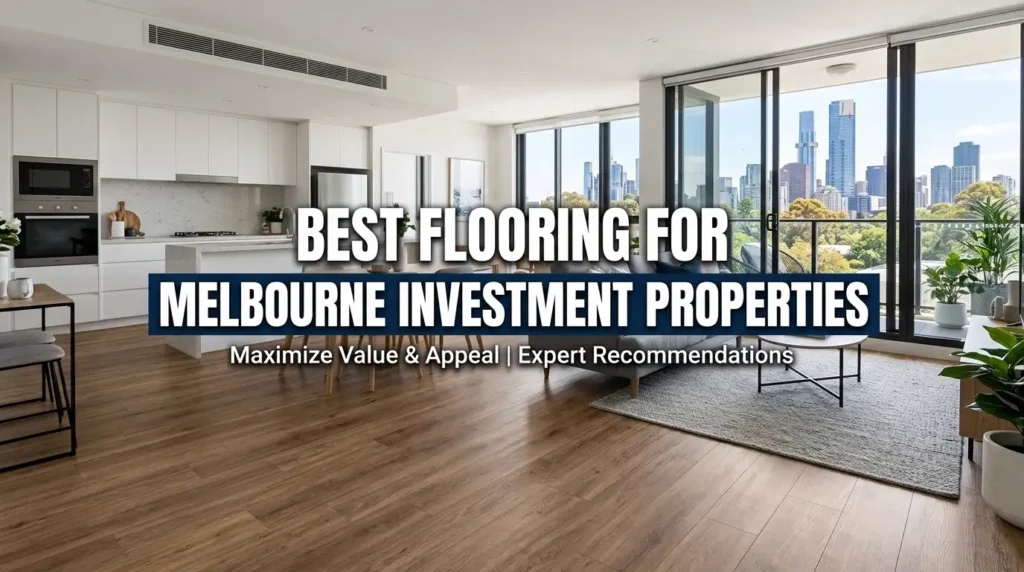
Best Flooring for Melbourne Investment Properties: Complete Guide
Choosing the best flooring for a Melbourne investment property requires balancing durability, maintenance, tenant appeal, moisture resistance, installation cost, and long-term value. The right flooring should withstand everyday rental use while remaining practical to clean and maintain between tenancies.
Whether you own an apartment, townhouse, or family rental property, flooring can influence both the property’s presentation and ongoing maintenance costs. This guide compares the best flooring options for Melbourne investment properties and explains how to choose a suitable option based on your property type, budget, and expected tenant use, including what to consider when arranging flooring installation in Melbourne.
In this blog
- What Should You Consider When Choosing Flooring for a Melbourne Investment Property?
- What Are the Best Flooring Options for Melbourne Investment Properties?
- Hybrid Flooring for Melbourne Investment Properties
- Vinyl Flooring for Melbourne Rental Properties
- Laminate Flooring for Melbourne Investment Properties
- Carpet Flooring for Melbourne Investment Properties
- Timber Flooring for Melbourne Investment Properties
- Tile Flooring for Melbourne Rental Properties
- Flooring Comparison for Melbourne Investment Properties
- Best Flooring for Different Rooms in a Melbourne Investment Property
- How Does Melbourne’s Climate Affect Investment Property Flooring?
- Best Low-Maintenance Flooring for Melbourne Rental Properties
- Best Flooring for Melbourne Investment Properties With Pets
- Best Flooring for Melbourne Rental Properties With Families
- How Much Does Flooring Cost for a Melbourne Investment Property?
- How Can Flooring Affect Rental Property ROI?
- What Should Property Investors Check Before Installing New Flooring?
- How to Choose Flooring Based on Your Melbourne Investment Property Type?
- When Should You Replace Flooring in a Melbourne Investment Property?
- Who Supplies and Installs Flooring for Melbourne Investment Properties?
- Conclusion
- FAQS
What Should You Consider When Choosing Flooring for a Melbourne Investment Property?
Investment property flooring should balance durability, tenant appeal, easy maintenance, moisture resistance, installation cost, appearance, and long-term value. For investors comparing the best flooring for Melbourne, it is important to consider how different materials perform under varying lifestyles and levels of everyday use. Unlike flooring selected purely for personal preference, rental flooring needs to withstand different conditions while remaining practical to maintain. Choosing a suitable flooring material can help reduce maintenance demands while keeping the property attractive to prospective tenants.
1. Durability and Expected Tenant Wear
Durability is one of the most important factors because rental flooring may experience regular foot traffic, furniture movement, spills, and general household wear. Properties with families, pets, or multiple occupants may require more durable flooring than low-traffic rentals. Hybrid, vinyl, quality laminate, and tile can provide practical options for high-use areas. Select the product based on its expected level of residential traffic and manufacturer’s specifications.
2. Low Maintenance Requirements
Low-maintenance flooring can help property owners reduce the time and cost associated with routine cleaning and ongoing upkeep. Flooring that can be easily swept, vacuumed, or damp-cleaned is often practical for rental properties. Hybrid, vinyl, laminate, and tile generally offer straightforward routine maintenance, while carpet may require more frequent vacuuming and occasional professional cleaning. Consider the maintenance requirements before choosing a material.
3. Moisture and Water Resistance
Moisture resistance is important in rental properties because kitchens, laundries, bathrooms, entryways, and accidental spills can expose flooring to water. Vinyl, tile, and suitable hybrid products can provide strong moisture resistance for appropriate applications. Laminate and timber require greater care around moisture, depending on the product. Correct installation and moisture management are also essential for protecting the flooring and underlying subfloor.
4. Tenant Appeal and Interior Appearance
Flooring should look appealing to a broad range of potential tenants while complementing the property’s existing interior. Neutral colours and versatile timber-look designs can make it easier for tenants to coordinate furniture and décor. Hybrid, laminate, vinyl, timber, carpet, and tile are available in different colours and finishes. Visually attractive floor can contribute to the property’s overall presentation without relying on highly personalised design choices.
5. Installation and Replacement Costs
Initial flooring budget should include material, installation, removal, subfloor preparation, underlay, trims, and other associated costs. Choosing the cheapest material may not always provide the best value if it requires frequent repairs or replacement. Property owners should compare the complete installed cost and expected service life of each option. Planning for future replacement can also help avoid unexpected renovation expenses.
6. Long-Term Value for Property Owners
Long-term value depends on how well the flooring performs, how much maintenance it requires, and how often it needs to be repaired or replaced. A slightly higher upfront investment may be worthwhile when the flooring provides greater durability, easier maintenance, or better moisture performance. However, premium flooring is not necessary for every rental property. Best choice should reflect the property’s location, tenant profile, rental positioning, and expected level of use.
What Are the Best Flooring Options for Melbourne Investment Properties?
Best flooring options for Melbourne investment properties include hybrid, vinyl, laminate, carpet, engineered timber, solid timber, and tile, with each offering different benefits for rental properties. Right choice depends on the property’s location, room requirements, tenant profile, expected foot traffic, moisture exposure, maintenance needs, and renovation budget. For many investors, durability and easy maintenance are particularly important because the flooring needs to perform reliably between tenancies.
1. Hybrid Flooring
Hybrid flooring is a practical choice for investment properties because it combines durability, moisture resistance, easy maintenance, and a timber-look appearance. For landlords considering hybrid flooring in Melbourne, it can suit living rooms, dining areas, hallways, and open-plan spaces that experience regular foot traffic. Its low-maintenance surface can also make routine cleaning easier for tenants and property owners.
Get Hybrid Flooring in Melbourne2. Vinyl Flooring
Vinyl flooring is well suited to rental properties where moisture resistance, easy cleaning, and everyday durability are priorities. For investors considering vinyl flooring in Melbourne, it can be used in kitchens, laundries, living areas, and other suitable spaces depending on the product. Vinyl is also available in different colours and timber-look designs, allowing investors to achieve a modern appearance without choosing a high-maintenance material.
Get Vinyl Flooring in Melbourne3. Laminate Flooring
Laminate flooring can provide an affordable way to achieve a timber-look interior while offering good resistance to everyday wear. For investors considering laminate flooring in Melbourne, it can be suitable for living rooms, dining areas, bedrooms, and other relatively dry spaces. However, moisture performance varies between products, so investors should check the manufacturer’s specifications before using laminate in moisture-prone areas.
Get Laminate Flooring in Melbourne4. Carpet Flooring
Carpet is a popular option for rental bedrooms because it provides comfort, warmth, and some noise-reduction benefits. For investors planning carpet installation in Melbourne, it can create a softer and more comfortable environment for tenants, particularly during colder conditions. Investors should consider stain resistance, carpet quality, underlay, and cleaning requirements when selecting carpet for a rental property.
Get Carpet Installation in Melbourne5. Engineered Timber Flooring
Engineered timber flooring can suit premium investment properties where natural appearance and long-term presentation are important. Its layered construction can provide greater dimensional stability than some solid timber flooring systems. However, it generally requires more care than low-maintenance options such as vinyl or hybrid flooring. Consider the property’s rental positioning and expected maintenance before investing in engineered timber.
6. Solid Timber Flooring
Solid timber flooring can provide a premium natural appearance and long-term appeal when properly installed and maintained. It can be an attractive choice for higher-end rental properties where aesthetics are an important consideration. However, timber can respond to changes in moisture and humidity and may require periodic maintenance or refinishing. It is therefore important to consider the property’s conditions and long-term maintenance budget.
7. Tile Flooring
Tile flooring is a durable and moisture-resistant option that works particularly well in bathrooms, kitchens, laundries, and other suitable areas. Ceramic and porcelain tiles are available in a wide range of colours, patterns, and finishes. Tile can also be relatively easy to clean and maintain, making it practical for rental properties. However, its harder surface may provide less underfoot comfort than carpet or some resilient flooring options.
Ready to Transform Your Home's Flooring?
Get expert guidance on carpets, hybrid, timber, vinyl & laminate flooring. Book a free in-home consultation with our specialists today!
Hybrid Flooring for Melbourne Investment Properties
Hybrid flooring can be a strong choice for Melbourne investment properties because it combines durability, moisture resistance, easy maintenance, and a versatile timber-look appearance. It can suit rental homes that need flooring capable of handling everyday tenant activity without demanding extensive upkeep. When the product is correctly selected and installed, hybrid flooring can provide a practical balance between appearance and long-term performance.
1. Durability and Wear Resistance
Hybrid flooring is designed to handle regular residential foot traffic, making it suitable for busy rental properties. A quality wear layer can help protect the surface from everyday scratches, scuffs, and general wear. This can be particularly useful in living rooms, hallways, and open-plan areas where tenants frequently move around. Select the product’s wear rating according to the expected level of use.
2. Moisture Resistance
Moisture resistance makes suitable hybrid flooring a practical option for areas where occasional spills or humidity may occur. Many hybrid products are designed with water-resistant construction, although performance varies between products. Proper installation remains important because moisture can still affect the subfloor or enter through installation gaps. Always check the manufacturer’s specifications before using hybrid flooring in a particular room.
3. Easy Cleaning and Maintenance
Hybrid flooring generally requires simple routine maintenance, which can be beneficial for rental properties between inspections or tenancies. Regular sweeping, vacuuming, and suitable damp cleaning can help remove dirt and everyday debris. Spills should be cleaned promptly to protect the surface and surrounding areas. Following the manufacturer’s cleaning recommendations can help maintain the flooring’s finish over time.
4. Timber-Look Appearance
Hybrid flooring provides timber-look designs that can give an investment property a modern appearance without the maintenance requirements associated with some natural timber floors. Different colours, plank patterns, and surface textures allow investors to select a style that suits the property’s interior. Neutral timber-look finishes can also appeal to a broad range of prospective tenants and complement different furniture styles.
5. Suitability for High-Traffic Rental Areas
Hybrid flooring can work well in high-traffic rental areas such as living rooms, dining spaces, hallways, and open-plan interiors. Its combination of durability, moisture resistance, and low-maintenance care makes it practical for everyday household activity. Investors should still consider the specific product rating, subfloor condition, installation requirements, and expected tenant use before making a final selection.
Vinyl Flooring for Melbourne Rental Properties
Vinyl flooring can be a practical option for Melbourne rental properties because it offers moisture resistance, easy maintenance, and a wide range of durable designs. It can suit investors looking for a flooring solution that is relatively simple to clean and capable of handling everyday tenant activity. Right vinyl product should be selected according to the room, expected traffic, moisture exposure, and installation requirements.
1. Water and Moisture Resistance
Vinyl flooring can provide strong moisture resistance, making it suitable for areas exposed to occasional spills, humidity, and everyday moisture. This can be useful in rental kitchens, laundries, and other appropriate areas. However, moisture performance depends on the specific product and installation system. Proper subfloor preparation and installation are still important to prevent moisture-related problems beneath the flooring.
2. Easy Maintenance
Vinyl flooring is generally easy to maintain, which can help reduce routine cleaning requirements in rental properties. Regular sweeping, vacuuming, and cleaning with a suitable product can remove dirt and everyday marks. Spills should be addressed promptly to prevent staining or moisture from reaching vulnerable areas. Always follow the manufacturer’s recommended cleaning methods for the selected vinyl product.
3. Scratch and Stain Resistance
Quality vinyl flooring can offer good resistance to everyday scratches, scuffs, and stains, depending on its construction and wear layer. This makes it suitable for rental properties where furniture movement, foot traffic, and accidental spills are common. Investors should compare product specifications and wear ratings rather than assuming every vinyl floor provides the same level of protection.
4. Vinyl Planks vs Vinyl Sheets
Vinyl planks and vinyl sheets provide different installation formats, so the better choice depends on the room, design preference, and moisture requirements. Vinyl planks can replicate timber or stone and allow individual sections to be replaced more easily in some systems. Sheet vinyl can provide a more continuous surface with fewer seams. Consider the property’s layout, expected use, and manufacturer’s installation requirements before choosing.
5. Best Rooms for Vinyl Flooring
Vinyl flooring can work well in kitchens, laundries, living areas, hallways, and other suitable rooms where easy maintenance and moisture resistance are valuable. Specific products should always be matched to the room’s conditions and intended use. For wet areas, check whether the flooring is approved for that application and ensure the installation meets relevant requirements. This can help protect both the flooring and the underlying substrate.
Laminate Flooring for Melbourne Investment Properties
Laminate flooring can be a cost-effective choice for Melbourne investment properties because it offers a timber-look appearance, good everyday durability, and relatively low maintenance. It can suit investors who want an attractive floor without the higher upfront cost of some natural timber options. However, laminate has moisture limitations, so the product should be matched carefully to the room and property’s conditions.
1. Affordable Timber-Look Flooring
Laminate flooring provides a practical way to achieve a timber-look appearance at a generally more accessible price point than many natural timber flooring options. It is available in a range of colours, plank designs, and surface finishes to suit different rental property interiors. Neutral wood tones can create a versatile appearance that appeals to a broad range of tenants. This makes laminate useful when presentation and budget both matter.
2. Durability and Scratch Resistance
Quality laminate flooring can provide good resistance to everyday wear and scratches, making it suitable for many residential rental areas. Its surface can handle regular foot traffic, furniture movement, and general household activity when the appropriate product is selected. Investors should check the product’s wear rating and specifications based on the expected level of tenant use.
3. Low Maintenance Requirements
Laminate flooring generally requires straightforward routine maintenance, which can be useful for rental properties. Regular vacuuming, sweeping, and suitable damp cleaning can help remove dirt and maintain the surface. Excess water should be avoided because moisture can damage some laminate flooring systems. Following the manufacturer’s cleaning recommendations can help preserve the flooring’s appearance and performance.
4. Moisture Limitations
Moisture is one of the main considerations when using laminate flooring because prolonged exposure to water can cause swelling or damage in some products. This makes product selection particularly important in kitchens, laundries, entryways, and other areas where spills or moisture may occur. Investors should check whether the selected laminate is designed for the intended environment and ensure the subfloor is appropriately prepared.
5. When Laminate Is a Good Investment Property Choice?
Laminate can be a good investment property choice when affordability, timber-look design, and everyday durability are more important than maximum moisture resistance. It can work well in bedrooms, living rooms, dining areas, and other relatively dry spaces. For properties with greater moisture exposure or demanding maintenance requirements, investors may prefer alternatives such as suitable hybrid or vinyl flooring.
Carpet Flooring for Melbourne Investment Properties
Carpet can be a practical flooring choice for Melbourne investment properties because it provides comfort, warmth, and sound absorption, particularly in bedrooms and living areas. It can help create a softer and more comfortable environment for tenants, which may improve the overall appeal of a rental property. However, investors should consider stain resistance, expected wear, cleaning requirements, and underlay quality before selecting carpet.
1. Comfort and Warmth
Carpet provides a soft and warm surface underfoot, making it particularly suitable for Melbourne’s cooler conditions. It can create a comfortable atmosphere in bedrooms and other living spaces where tenants may prefer a softer flooring surface. Different carpet fibres, pile styles, and densities provide varying levels of comfort and durability. Choose the product according to the property’s expected level of use.
2. Bedroom Applications
Carpet is commonly suited to rental bedrooms because it provides warmth, cushioning, and a comfortable surface for everyday use. It can also create a visually softer environment compared with hard flooring. Investors should consider carpet quality and expected tenant traffic when selecting a product. Neutral colours and practical textures can provide broad appeal while making the flooring easier to coordinate with different bedroom interiors.
3. Noise Reduction
Carpet can help absorb everyday sounds and reduce the noise created by footsteps and movement across the floor. This can be particularly useful in bedrooms, hallways, and properties where creating a quieter indoor environment is important. Carpet underlay can provide additional cushioning and contribute to acoustic performance. The overall result depends on the carpet, underlay, subfloor, and installation system.
4. Stain and Wear Resistance
Stain and wear resistance should be considered carefully when selecting carpet for an investment property because tenants may have different lifestyles and cleaning habits. Quality carpet designed for residential use can provide suitable performance when matched to the expected level of traffic. Stain-resistant fibres and practical colours can help manage everyday spills and marks. Regular vacuuming and prompt spill treatment can also support longer-lasting performance.
5. Carpet and Underlay Selection
Choosing the right carpet and underlay together can improve comfort, durability, acoustic performance, and the overall feel of a rental property. Underlay provides cushioning beneath the carpet and can influence how the finished floor feels underfoot. Investors should consider carpet fibre, pile, density, underlay quality, traffic levels, and cleaning requirements before purchasing. Professional installation can also help ensure the carpet is fitted correctly and performs as intended.
Timber Flooring for Melbourne Investment Properties
Timber flooring can be a premium choice for Melbourne investment properties because it offers a natural appearance, long-term appeal, and a distinctive finish that can enhance a property’s presentation. Engineered and solid timber have different construction and performance characteristics, so investors should consider moisture exposure, expected tenant use, maintenance requirements, and budget before choosing. For higher-end rentals, timber can provide a strong visual point of difference when properly selected and maintained.
1. Engineered Timber Flooring
Engineered timber flooring can provide the appearance of natural timber with a construction designed to offer greater dimensional stability than some solid timber systems. This can make it a practical option for selected residential applications where appearance and stability are important. Different products have different wear layers, finishes, and maintenance requirements. Check the manufacturer’s specifications and ensure the subfloor is suitable before installation.
2. Solid Timber Flooring
Solid timber flooring provides a genuine natural wood surface that can offer long-term appeal when correctly installed and maintained. Its ability to be sanded and refinished can allow the floor to be refreshed as it wears over time. However, solid timber can respond to changes in moisture and humidity, which may result in movement. Investors should consider the property’s environmental conditions and ongoing maintenance budget.
3. Premium Appearance and Tenant Appeal
The natural grain, texture, and character of timber can give an investment property a premium appearance that may appeal to tenants seeking a higher-quality interior. Timber can complement a range of furniture styles and interior designs, particularly in living and dining areas. However, appearance should be balanced with durability and maintenance requirements. Flooring choice should suit the property’s overall rental positioning rather than simply maximise visual appeal.
4. Moisture and Climate Considerations
Timber flooring requires careful consideration of moisture and changes in humidity because natural wood can expand and contract as environmental conditions change. Melbourne’s changing weather conditions can therefore be an important factor when selecting and installing timber flooring. Moisture testing, suitable subfloor preparation, correct installation, and appropriate expansion allowances can help manage movement. Always follow the flooring manufacturer’s environmental requirements.
5. Maintenance and Refinishing Requirements
Timber flooring generally requires more ongoing care than low-maintenance options such as vinyl or hybrid flooring. Routine cleaning should follow the manufacturer’s recommendations, while the surface may eventually require maintenance or refinishing depending on its finish and level of wear. Furniture protection and prompt spill removal can help reduce damage. Investors should include potential maintenance and refinishing costs when assessing the flooring’s long-term value.
Tile Flooring for Melbourne Rental Properties
Tile flooring can be a strong option for Melbourne rental properties because it offers excellent moisture resistance, durability, easy cleaning, and long-term performance. It is particularly useful in kitchens, bathrooms, laundries, and other areas where water and frequent cleaning are expected. However, tiles have a harder surface than carpet or resilient flooring, so investors should consider tenant comfort and the property’s overall requirements.
1. Moisture Resistance
Tile flooring provides excellent moisture resistance, making it well suited to areas exposed to water and humidity. Ceramic and porcelain tiles can handle regular moisture when installed as part of an appropriate flooring and waterproofing system. Proper grout, sealing where required, and installation are also important for managing moisture. Always ensure the selected tile and installation method are suitable for the intended room.
2. Durability and Longevity
Quality tile flooring can provide excellent durability and a long service life, making it attractive for investment properties where reducing replacement frequency is important. Tiles can withstand regular foot traffic, furniture use, and everyday residential activity when correctly installed. Their resistance to general wear can be particularly valuable in busy rental areas. The subfloor and installation quality also influence long-term performance.
3. Kitchen and Bathroom Applications
Tiles are particularly suitable for rental kitchens and bathrooms because these areas regularly experience moisture, spills, and frequent cleaning. They can also be used in laundries, entryways, and other appropriate areas depending on the property’s design. Slip resistance should be considered for areas where floors may become wet. Select products and installation systems that meet the requirements of the specific application.
4. Cleaning and Maintenance
Tile flooring is generally easy to clean and maintain, which can help reduce routine maintenance requirements for rental properties. Regular sweeping, vacuuming, and suitable mopping can remove dirt and everyday marks. Grout lines may require additional cleaning to maintain their appearance. Following appropriate cleaning practices and addressing spills promptly can help keep tiled surfaces looking presentable between tenancies.
5. Hardness and Tenant Comfort
Hard surface of tile flooring can be less comfortable underfoot than carpet or some resilient flooring options, particularly in bedrooms and living areas. Tiles can also feel cooler during colder weather. For this reason, they are often most practical in areas where moisture resistance and durability are more important than softness. Consider the property’s tenant profile and room requirements when deciding where to use tile flooring.
Flooring Comparison for Melbourne Investment Properties
Comparing flooring options based on durability, moisture resistance, tenant appeal, and intended use can help property investors choose a suitable flooring solution.
Flooring Type | Durability | Moisture Resistance | Tenant Appeal | Best For |
Hybrid | High | High | High | Busy rental homes and open-plan areas |
Vinyl | High | High | Good | Kitchens and moisture-prone areas |
Laminate | Moderate–High | Moderate | High | Budget-conscious rental properties |
Carpet | Moderate | Low | High | Bedrooms and comfort-focused areas |
Engineered Timber | High | Moderate | High | Premium investment properties |
Solid Timber | High | Low–Moderate | High | Premium long-term properties |
Tile | Excellent | Excellent | Good | Bathrooms, kitchens and wet areas |
Best Flooring for Different Rooms in a Melbourne Investment Property
Best flooring for each room in a Melbourne investment property depends on foot traffic, moisture exposure, tenant comfort, cleaning requirements, and the property’s overall rental appeal. Investors should not necessarily use the same flooring throughout the entire property. Selecting materials according to each room’s function can improve durability, maintenance, and long-term value.
1. Living Room Flooring
Hybrid, vinyl, laminate, and suitable timber flooring can work well in rental living rooms because these areas often experience regular foot traffic and furniture movement. Hybrid flooring is particularly practical when durability, moisture resistance, and easy maintenance are priorities. Laminate can provide a cost-effective timber-look finish, while engineered timber may suit premium properties. Consider the expected tenant use and overall property positioning.
2. Bedroom Flooring
Carpet is a popular choice for rental bedrooms because it provides warmth, comfort, and noise reduction, while laminate, hybrid, and timber can provide easier-cleaning alternatives. Carpet can create a softer environment that may appeal to tenants, particularly during Melbourne’s cooler months. Investors should consider stain resistance and expected wear when selecting carpet. The flooring should also complement the property’s overall interior design.
3. Kitchen Flooring
Vinyl, hybrid, and tile flooring are practical kitchen options because they can provide moisture resistance, durability, and relatively easy cleaning. Kitchens are exposed to spills, food debris, and frequent activity, so flooring should be selected for the conditions of the space. Tile can provide excellent moisture resistance, while suitable vinyl and hybrid products can offer a more comfortable alternative. Always check product and installation requirements.
4. Bathroom Flooring
Tile flooring is a common choice for rental bathrooms because it provides excellent moisture resistance and durability when correctly installed. Porcelain and ceramic tiles are available in various designs and can be relatively easy to clean. Slip resistance is also an important consideration in areas where floors may become wet. Appropriate waterproofing and installation are essential for bathroom flooring performance.
5. Laundry Flooring
Tile and suitable vinyl flooring can work well in rental laundries because these materials can handle moisture and are generally easy to clean. Laundries can experience water spills, appliance leaks, and regular humidity, so moisture performance should be prioritised. Selected flooring should be appropriate for the room and installed according to relevant product requirements. Good moisture management can also help protect the underlying subfloor.
6. Hallway and Entryway Flooring
Durable flooring such as hybrid, vinyl, tile, or suitable laminate can be effective in hallways and entryways because these areas commonly receive high foot traffic. Dirt, grit, moisture, and frequent movement can place additional demands on the floor. Hard-wearing surfaces that are easy to clean can therefore be practical for rental properties. Entry mats can also help reduce the amount of dirt and moisture brought indoors.
7. Dining Area Flooring
Hybrid, vinyl, laminate, engineered timber, and tile can suit rental dining areas depending on the property’s style, expected use, and moisture requirements. Dining spaces can experience food spills, chair movement, and regular foot traffic, making durability and easy cleaning valuable considerations. Hybrid and vinyl can provide practical low-maintenance solutions, while timber can create a more premium appearance. Choose flooring that complements adjoining living areas where spaces are open plan.
How Does Melbourne’s Climate Affect Investment Property Flooring?
Melbourne’s changing temperatures, rainfall, humidity, and indoor moisture can affect flooring performance, so investors should consider climate conditions when selecting and maintaining flooring. Materials respond differently to changes in moisture and temperature, with some being more sensitive to expansion, contraction, swelling, or surface damage. Proper product selection, moisture management, and installation can help support long-term flooring performance.
1. Humidity and Flooring Movement
Changes in indoor humidity can cause some flooring materials to expand, contract, or move over time. Timber and other moisture-sensitive materials can respond more noticeably to changes in environmental conditions. Adequate expansion allowances, appropriate installation, and maintaining suitable indoor conditions can help manage movement. Investors should always follow the flooring manufacturer’s recommended environmental requirements.
2. Rainfall and Moisture Exposure
Melbourne’s rainfall can increase the risk of moisture entering rental properties through entrances, windows, plumbing issues, or other vulnerable areas. Water brought indoors by tenants can also affect flooring, particularly around entryways and high-traffic areas. Moisture-resistant options such as suitable hybrid, vinyl, and tile can be practical where exposure is expected. Promptly cleaning spills and addressing leaks can further protect flooring.
3. Indoor Condensation
Condensation can introduce additional moisture into a rental property’s indoor environment, particularly when warm indoor air meets cooler surfaces. Persistent moisture can contribute to damp conditions and may affect moisture-sensitive flooring or the underlying subfloor. Adequate ventilation and airflow can help manage indoor moisture. Investors should also investigate persistent condensation rather than allowing moisture problems to continue.
4. Timber and Humidity Changes
Timber flooring can respond to changes in humidity because natural wood absorbs and releases moisture as environmental conditions change. This can result in expansion, contraction, gaps, or other movement if conditions are unsuitable. Engineered timber can offer greater dimensional stability than some solid timber systems, but it still has environmental requirements. Correct installation, moisture testing, and appropriate maintenance remain important.
5. Moisture Management in Rental Properties
Effective moisture management can help protect investment property flooring and reduce the risk of avoidable damage. Property owners should address plumbing or roof leaks promptly, maintain ventilation, manage indoor humidity, and ensure floors are installed over suitable, adequately prepared subfloors. Tenants can also help by cleaning spills quickly and using suitable mats near entrances. Regular property inspections can help identify moisture-related issues before they become more serious.
Best Low-Maintenance Flooring for Melbourne Rental Properties
Hybrid, vinyl, laminate, and tile are among the best low-maintenance flooring options for Melbourne rental properties because they are generally easy to clean and can handle everyday residential use. For investors, low-maintenance flooring can help simplify routine care and reduce the need for frequent repairs or intensive upkeep. Right choice should still depend on the room, expected tenant use, moisture exposure, and flooring specifications.
1. Easy-Clean Flooring
Easy-clean flooring can reduce the effort required to keep a rental property presentable between inspections and tenancies. Hybrid, vinyl, laminate, and tile can generally be maintained through routine sweeping, vacuuming, and suitable cleaning methods. Spills and dirt should be removed promptly to protect the surface. Always follow the manufacturer’s recommended cleaning products and procedures for the selected flooring.
2. Scratch-Resistant Flooring
Scratch resistance is important in rental properties because flooring can be exposed to furniture movement, footwear, pets, and regular tenant activity. Hybrid, vinyl, laminate, and tile can provide different levels of surface resistance depending on their construction and specifications. Investors should check the product’s wear layer or relevant durability rating rather than relying solely on the flooring material. Furniture protection can also help minimise surface damage.
3. Stain-Resistant Flooring
Stain-resistant flooring can be particularly useful in rental properties where accidental spills and everyday marks are difficult to avoid. Vinyl and many hard flooring surfaces can be relatively straightforward to clean when spills are addressed quickly. For carpet, selecting suitable stain-resistant fibres can help manage common household spills. Product specifications and recommended cleaning methods should be considered before making a selection.
4. Water-Resistant Flooring
Water-resistant flooring can reduce concerns in areas where occasional spills, humidity, or moisture exposure are expected. Suitable vinyl, hybrid, and tile products can provide strong moisture performance for appropriate applications. However, water resistance varies between products and does not eliminate the need for proper installation or moisture management. Investors should confirm the product’s suitability for the intended room before installation.
5. Flooring With Minimal Refinishing Requirements
Flooring that does not require regular refinishing can help investors minimise long-term maintenance demands and disruption between tenancies. Hybrid, vinyl, laminate, and tile generally do not require the same refinishing process associated with some natural timber flooring. Timber can still be a suitable premium option when its maintenance requirements are acceptable for the property. Consider the expected service life and future maintenance costs when comparing flooring options.
Best Flooring for Melbourne Investment Properties With Pets
Hybrid and vinyl flooring are practical choices for Melbourne investment properties with pets because they can offer good durability, easy cleaning, moisture resistance, and resistance to everyday wear. Rental properties with pets can experience scratches, spills, stains, and frequent movement, so flooring should be selected for these conditions. The best option will depend on the property’s rooms, expected pet activity, product specifications, and overall investment budget.
1. Scratch Resistance
Scratch resistance is important when selecting flooring for rental properties where tenants may have dogs or cats. Pet claws, running, and furniture movement can create surface marks over time. Hybrid and quality vinyl flooring can provide suitable resistance depending on the product’s construction and wear layer. Laminate and tile can also be considered, while timber may require greater care to minimise visible scratches.
2. Stain Resistance
Stain resistance can help flooring withstand accidental pet-related messes, food spills, and tracked-in dirt. Hard flooring surfaces such as vinyl, hybrid, and tile are generally straightforward to clean when spills are addressed promptly. For carpeted areas, investors can consider stain-resistant fibres and practical colours. Selecting flooring with suitable surface protection can help maintain the property’s presentation between tenancies.
3. Easy Cleaning
Easy-to-clean flooring can reduce the maintenance burden associated with pet hair, dirt, muddy paws, and everyday spills. Hybrid, vinyl, laminate, and tile can generally be swept or vacuumed regularly and cleaned using suitable products. Carpet requires more frequent vacuuming to manage pet hair and may need deeper cleaning. Always follow the manufacturer’s cleaning recommendations to avoid damaging the flooring.
4. Moisture Resistance
Moisture resistance is useful in pet-friendly rental properties because water bowls, wet paws, accidents, and cleaning can expose flooring to moisture. Suitable vinyl, hybrid, and tile products can provide strong moisture performance for appropriate applications. However, moisture resistance varies between products, so investors should check the manufacturer’s specifications. Promptly cleaning liquid spills can also help protect the floor and subfloor.
5. Durability for Pet Traffic
Durable flooring is important where pets regularly move through living rooms, hallways, and other high-traffic areas. Hybrid, vinyl, laminate, and tile can provide different levels of resistance to everyday wear depending on their construction and product rating. Investors should consider the size and activity level of potential pets when selecting flooring. Choosing a suitable product can help reduce premature wear and unnecessary replacement costs.
Best Flooring for Melbourne Rental Properties With Families
Hybrid, vinyl, laminate, carpet, and tile can all suit family rental properties, depending on the room and the level of everyday activity. Flooring for homes with children should balance durability, easy cleaning, spill resistance, comfort, and long-term performance. For investment properties, choosing a practical material can also help reduce maintenance requirements while keeping the home appealing to prospective tenants.
1. Durability for Children
Durable flooring is important in family rental properties because children can create higher levels of everyday foot traffic and general wear. Furniture movement, toys, active play, and frequent movement can place additional demands on the floor. Hybrid, vinyl, quality laminate, and tile can provide different levels of durability depending on the product. Investors should select flooring according to the expected level of household use.
2. Spill and Stain Resistance
Spill and stain resistance can make flooring easier to manage in homes where food, drinks, and other liquids may be accidentally dropped. Hard flooring options such as vinyl, hybrid, laminate, and tile can be relatively easy to clean when spills are addressed promptly. For bedrooms, stain-resistant carpet can provide a comfortable alternative. The flooring’s specific surface protection should be checked before purchase.
3. Easy Maintenance
Easy-maintenance flooring can help families keep rental properties clean without requiring complicated daily care. Hybrid, vinyl, laminate, and tile generally require routine sweeping, vacuuming, or suitable damp cleaning. Carpet requires regular vacuuming and may need deeper cleaning when heavily soiled. Investors should consider both tenant convenience and future maintenance requirements when selecting flooring.
4. Comfort and Safety
Comfort and safety should be considered alongside durability when choosing flooring for a family rental property. Carpet can provide a softer surface in bedrooms and other suitable areas, while some resilient flooring options can offer a balance between comfort and easy maintenance. For hard flooring, appropriate product selection and installation are important. In areas exposed to water, suitable slip-resistant flooring should also be considered.
5. Long-Term Performance
Long-term flooring performance depends on product quality, installation, household use, and ongoing maintenance. Investors should consider how the flooring is likely to perform throughout multiple tenancies rather than focusing only on the initial purchase price. Durable, easy-care materials may help reduce premature replacement and maintenance costs. Following manufacturer recommendations can also support the flooring’s expected service life.
How Much Does Flooring Cost for a Melbourne Investment Property?
Flooring costs for a Melbourne investment property depend on the material, floor area, installation method, subfloor condition, removal requirements, and finishing work. Investors should calculate the complete installed cost rather than comparing flooring products by their material price alone. Planning for preparation, accessories, and future maintenance can provide a more realistic renovation budget.
1. Flooring Material Costs
Flooring material is usually one of the largest components of the overall project cost, and prices vary considerably between flooring types and product quality. Hybrid and vinyl can provide practical options across different budgets, while laminate may suit cost-conscious renovations. Engineered and solid timber generally sit at a higher price point, while carpet and tile vary according to quality and specification. Compare products based on both upfront cost and expected performance.
2. Installation Costs
Professional installation adds to the overall flooring budget and can vary according to the flooring type, room layout, floor area, and installation method. Some flooring systems require more preparation or specialised installation than others. Professional installer can assess the site and ensure the flooring is installed according to manufacturer requirements. Investors should request a detailed quotation that separates material and installation costs.
3. Existing Flooring Removal
Removing existing carpet, laminate, timber, vinyl, or other flooring can add a separate cost to an investment property renovation. Final cost depends on the existing material, how it is installed, the area involved, and how difficult it is to remove. Disposal may also form part of the project cost. Confirm whether removal and disposal are included in the flooring quotation before work begins.
4. Subfloor Preparation
Subfloor preparation can affect both the installation cost and the long-term performance of new flooring. Uneven, damaged, contaminated, or moisture-affected surfaces may require additional preparation before installation. Depending on the condition, this can include cleaning, levelling, repairs, or moisture management. Addressing subfloor issues before installation can help prevent problems with the finished flooring.
5. Underlay and Moisture Barriers
Underlay and moisture barriers can add to the flooring budget but may be necessary depending on the flooring system and subfloor conditions. Underlay can provide cushioning and may contribute to acoustic or thermal performance, while moisture barriers can help manage moisture from suitable substrates. Requirements vary between products, so investors should follow the manufacturer’s installation specifications rather than adding unnecessary materials.
6. Skirting, Trims, and Transitions
Finishing components such as skirting, trims, thresholds, and transition profiles can contribute to the total project cost. These elements provide a finished appearance and help manage transitions between different flooring surfaces or floor heights. Amount required depends on the property’s layout and the flooring installation. Including these items in the initial quotation can help avoid unexpected costs.
7. Future Maintenance and Replacement Costs
Investors should consider future maintenance and replacement costs when assessing the true value of a flooring investment. Lower upfront price may not always provide the lowest long-term cost if the flooring requires frequent repairs or replacement. Durable and low-maintenance options can be attractive for rental properties where multiple tenants may use the flooring over time. Consider expected wear, maintenance requirements, and service life alongside the initial installation cost.
How Can Flooring Affect Rental Property ROI?
Flooring can affect rental property ROI by influencing maintenance costs, tenant appeal, property presentation, and how frequently the flooring needs to be repaired or replaced. The right flooring may not directly increase rental income, but it can help investors manage ongoing property costs and maintain a competitive interior. Practical balance between upfront investment and long-term performance is therefore important.
Reduce maintenance costs: Durable, low-maintenance flooring can reduce the need for frequent repairs and intensive upkeep between tenancies.
Improve tenant appeal: Modern, well-maintained flooring can make a rental property more attractive to prospective tenants.
Support property presentation: Quality flooring can improve the overall appearance of living spaces and contribute to a well-presented rental.
Reduce replacement frequency: Choosing flooring suited to expected foot traffic can help minimise premature replacement.
Balance upfront and long-term costs: A higher-quality product may provide better value when its durability and maintenance requirements justify the additional investment.
Support tenant retention: A comfortable and well-maintained interior can contribute to a positive rental experience, although flooring is only one factor influencing a tenant’s decision to stay.
What Should Property Investors Check Before Installing New Flooring?
Property investors should check the existing floor, subfloor, moisture levels, expected tenant use, interior design, product requirements, and installation conditions before installing new flooring. Reviewing these factors before work begins can help investors select a suitable product, avoid unexpected preparation costs, and support better long-term flooring performance. Proper site assessment is particularly important when renovating an occupied or previously tenanted property.
1. Existing Floor Condition
Condition of the existing flooring should be assessed before deciding whether it can be removed, repaired, or used as part of the new flooring installation. Look for visible damage, loose sections, stains, uneven areas, or signs of previous moisture problems. Existing material may also affect removal and disposal costs. Understanding its condition helps create a more accurate flooring installation plan.
2. Subfloor Condition
Suitable subfloor should be stable, clean, dry, and sufficiently level for the selected flooring system. Uneven or damaged areas may require levelling or repairs before installation. Different flooring materials also have different subfloor requirements. Addressing these issues before laying new flooring can help reduce the risk of movement, gaps, uneven surfaces, or other installation problems.
3. Moisture Levels
Moisture levels should be checked before installation because excess moisture can affect both the flooring and the underlying substrate. This is particularly important for concrete slabs, moisture-prone rooms, and properties with a history of leaks or dampness. Moisture testing should be completed using an appropriate method for the substrate and flooring system. Any identified moisture issue should be addressed before installation.
4. Expected Tenant Use
Investors should select flooring according to the expected level of tenant traffic and household activity. A property likely to accommodate families, pets, or multiple occupants may require more durable flooring than a low-traffic rental. Consider likely wear from foot traffic, furniture movement, spills, and pets. Choosing an appropriate product rating can help reduce premature wear and replacement costs.
5. Existing Interior Design
New flooring should complement the property’s existing colours, fixtures, walls, cabinetry, and overall interior style. Neutral and versatile flooring designs can provide broader appeal across different tenant preferences. Investors should also consider whether the flooring will be installed throughout the property or combined with different materials in individual rooms. A cohesive design can improve the property’s overall presentation.
6. Flooring Warranty and Manufacturer Requirements
Investors should review the flooring warranty and manufacturer’s installation, maintenance, and environmental requirements before purchasing the product. These requirements can cover suitable subfloors, moisture conditions, installation methods, cleaning products, and permitted applications. Failing to follow the specified requirements may affect product performance or warranty coverage. Keeping the product documentation can also be useful for future maintenance.
7. Installation and Access Requirements
Installation planning should account for property access, furniture removal, working space, ventilation, and any building or tenancy restrictions. Apartments and multi-unit properties may have additional access or scheduling requirements. Investors should confirm how materials will be delivered and how existing flooring will be removed. Planning these practical details in advance can help minimise delays and unexpected installation costs.
How to Choose Flooring Based on Your Melbourne Investment Property Type?
Best flooring depends on the type of Melbourne investment property, its expected tenant use, moisture exposure, rental positioning, and available renovation budget. Apartment may require greater attention to acoustic requirements, while a family rental may prioritise durability and easy maintenance. Matching the flooring to the property’s specific conditions can help investors balance tenant appeal with long-term value.
1. Apartments and Units
Hybrid, vinyl, laminate, and carpet can be practical choices for apartments and units, depending on room requirements and building rules. Investors should pay particular attention to acoustic requirements, floor height, access, and strata or building restrictions before installation. Carpet can provide useful sound absorption in bedrooms, while suitable hard flooring can work well in living areas. Always confirm flooring requirements before replacing existing floors.
2. Family Rental Homes
Family rental homes generally benefit from durable, easy-to-clean flooring that can handle regular foot traffic, spills, and household activity. Hybrid and vinyl can provide practical options for living and dining areas, while carpet can suit bedrooms where comfort is important. Tile can also work well in kitchens, bathrooms, and laundries. Select materials according to the expected level of family use and room conditions.
3. Townhouses
Townhouses can benefit from a combination of durable flooring and comfortable surfaces selected according to each level and room. Hybrid, vinyl, laminate, or engineered timber can suit living areas, while carpet may be appropriate for bedrooms and stairs where permitted. Investors should also consider transitions between flooring types and the property’s overall interior design. A cohesive flooring scheme can help maintain broad tenant appeal.
4. High-Traffic Rental Properties
High-traffic rental properties require flooring with strong wear resistance and straightforward maintenance to manage frequent household activity. Hybrid, vinyl, quality laminate, and tile can provide practical options depending on the room and moisture exposure. Investors should check product durability ratings and choose flooring designed for the expected residential traffic. Protecting high-use areas can also help extend the flooring’s service life.
5. Premium Rental Properties
Premium rental properties may justify higher-quality flooring when appearance, tenant appeal, and long-term presentation are important investment considerations. Engineered timber, solid timber, premium hybrid, or high-quality tile can provide distinctive finishes. However, premium flooring should still be practical for the expected tenant use and maintenance budget. The additional upfront investment should provide a meaningful benefit in performance, appearance, or longevity.
6. Budget Investment Properties
Budget investment properties can benefit from affordable flooring that provides reliable everyday performance without unnecessary premium features. Laminate, vinyl, carpet, and selected hybrid products can offer practical solutions across different rooms. Investors should compare the complete installed cost rather than focusing only on the material price. Choosing durable flooring within budget can help avoid frequent replacement and unnecessary renovation expenses.
When Should You Replace Flooring in a Melbourne Investment Property?
You should replace flooring when it has significant damage, persistent moisture problems, excessive wear, safety issues, or no longer provides an acceptable standard for the rental property. Replacing flooring may also make sense before a new tenancy when repairs are no longer cost-effective or the existing surface negatively affects the property’s presentation. Investors should assess the flooring’s condition, expected remaining service life, and replacement cost before making a decision.
Extensive surface damage: Replace flooring when large areas have deep scratches, cracks, stains, or other damage that cannot be effectively repaired.
Severe swelling or buckling: Warped, swollen, or buckled flooring may indicate moisture damage that requires replacement rather than cosmetic repair.
Persistent moisture problems: Repeated leaks, dampness, or moisture exposure can compromise flooring and the underlying subfloor.
Worn or deteriorated surfaces: Flooring that has lost its protective finish or shows extensive wear may no longer provide suitable rental performance.
Damaged joints or boards: Loose, broken, separating, or unstable sections can affect both appearance and safe everyday use.
Repeated repair requirements: Frequent repairs can become less economical than installing a new flooring system, particularly between tenancies.
Poor rental presentation: Severely outdated or visibly deteriorated flooring may reduce the property’s overall presentation and tenant appeal.
Who Supplies and Installs Flooring for Melbourne Investment Properties?
Gorkha Flooring supplies and installs flooring for Melbourne investment properties, helping property owners select practical flooring based on property type, tenant use, budget, and long-term performance. From rental apartments and townhouses to family homes and premium investment properties, the right flooring can improve everyday functionality while supporting the property’s overall presentation.
Why Choose Gorkha Flooring?
Flooring supply and installation: Access flooring supply and professional installation options for investment property renovations and replacements.
Property-specific recommendations: Get assistance choosing flooring based on property type, tenant profile, expected wear, room requirements, and budget.
Professional installation: Appropriate installation and subfloor preparation can help support the flooring’s performance and service life.
Wide range of flooring options: Choose from hybrid, vinyl, laminate, timber, carpet, tile, and other suitable flooring solutions.
Practical flooring guidance: Compare options based on durability, moisture resistance, maintenance requirements, appearance, and long-term value.
Rental-focused approach: Select flooring that balances tenant appeal with the practical requirements of property ownership and ongoing maintenance.
Conclusion
Best flooring for Melbourne investment properties should balance upfront cost, durability, tenant appeal, maintenance requirements, moisture resistance, and long-term value. Hybrid and vinyl are strong practical choices for investors seeking durable, low-maintenance flooring, while laminate can suit budget-conscious properties. Carpet remains useful for bedrooms and comfort-focused spaces, while engineered or solid timber can add premium appeal when higher maintenance is acceptable. Tile is particularly suitable for kitchens, bathrooms, and other moisture-prone areas.
Ultimately, the right flooring depends on the property’s type, expected tenant use, room requirements, and investment strategy. Considering the complete installed cost and future maintenance can help investors make a more informed decision. Professional assessment and installation can also help ensure the selected flooring is suitable for the property and performs as intended.
FAQS
What is the best flooring for Melbourne investment properties?
Hybrid flooring is a strong choice for many Melbourne investment properties because it combines durability, moisture resistance, easy maintenance, and broad tenant appeal. However, the best option depends on the property’s rooms, tenant profile, budget, and expected level of use.
What is the most durable flooring for a rental property?
Tile, hybrid, vinyl, and quality timber flooring can provide strong durability when correctly selected and installed. The most suitable option depends on the room, expected traffic, moisture exposure, and product specifications.
What is the lowest-maintenance flooring for investment properties?
Hybrid, vinyl, laminate, and tile are generally among the easier flooring options to maintain. They can typically be managed with routine sweeping, vacuuming, and suitable cleaning methods, although maintenance requirements vary by product.
Is hybrid flooring good for Melbourne rental properties?
Yes, hybrid flooring can be a practical choice for Melbourne rental properties because it offers durability, moisture resistance, easy cleaning, and a versatile timber-look appearance. It can work particularly well in living areas, hallways, dining spaces, and other high-use areas.
Is vinyl flooring suitable for investment properties?
Yes, vinyl flooring can suit investment properties where easy maintenance, moisture resistance, and everyday durability are priorities. It can be particularly useful in kitchens, laundries, and other suitable areas where spills and moisture are more likely.
Is laminate flooring a good choice for rental properties?
Laminate can be a good rental flooring option when affordability, timber-look appearance, and everyday wear resistance are important. However, moisture performance varies between products, so it is generally better suited to relatively dry areas unless the selected product is specifically designed for greater moisture exposure.
Is carpet suitable for Melbourne investment properties?
Carpet can be suitable for Melbourne investment properties, particularly bedrooms, because it provides warmth, comfort, and sound absorption. Investors should consider stain resistance, expected traffic, carpet quality, underlay, and ongoing cleaning requirements.
What flooring is best for rental properties with pets?
Hybrid and vinyl flooring can be strong choices for pet-friendly rental properties because they can provide durability, easy cleaning, and moisture resistance. Quality laminate and tile may also be suitable depending on the property’s rooms and the specific product.
What flooring is best for rental properties with children?
Durable, easy-to-clean flooring such as hybrid and vinyl can work well in rental properties occupied by families with children. Carpet can provide additional comfort in bedrooms, while tile may suit kitchens and bathrooms where moisture resistance is important.
What flooring is best for Melbourne’s climate?
Moisture-resistant flooring such as suitable hybrid, vinyl, and tile can be practical choices for Melbourne properties, while timber requires greater consideration of humidity and environmental conditions. Correct installation, moisture management, and following manufacturer requirements are important regardless of the material.
How much does flooring cost for an investment property in Melbourne?
Cost varies according to flooring type, property size, installation method, existing flooring removal, subfloor preparation, and finishing requirements. Investors should obtain a detailed quotation covering materials, installation, preparation, disposal, underlay, trims, and other project costs.
Is premium flooring worth it for a rental property?
Premium flooring can be worthwhile when its durability, appearance, moisture performance, or expected service life provides a meaningful benefit for the property. However, the additional investment should be appropriate for the property’s rental positioning and expected tenant use.
How often should rental property flooring be replaced?
Rental flooring should generally be replaced when it becomes significantly worn, damaged, unsafe, moisture-affected, or more expensive to repair than replace. The timing depends on the flooring material, product quality, tenant use, maintenance, and overall condition rather than a fixed replacement schedule.
Can durable flooring reduce rental property maintenance costs?
Durable flooring can help reduce maintenance and replacement costs by better handling everyday tenant wear and reducing the frequency of repairs or premature replacement. Investors should still consider installation quality and ongoing maintenance when assessing long-term flooring value.
Who installs flooring for Melbourne investment properties?
Gorkha Flooring supplies and installs flooring for Melbourne investment properties, offering options such as hybrid, vinyl, laminate, timber, carpet, and tile. Professional installation and appropriate subfloor preparation can help ensure the selected flooring is suitable for the property’s requirements.
Related Posts

Can You Install Hybrid Flooring in a Melbourne Apartment? Strata & Acoustic Guide
Can You Install Hybrid Flooring in a Melbourne Apartment? Strata & Acoustic Guide
Read More
How to Choose Flooring for a New Build in Australia? Complete Guide
How to Choose Flooring for a New Build in Australia? Complete Guide
Read More
Best Flooring Options For Apartments in Australia: Durable & Low-Maintenance Options
Best Flooring Options For Apartments in Australia: Durable & Low-Maintenance Options
Read More