
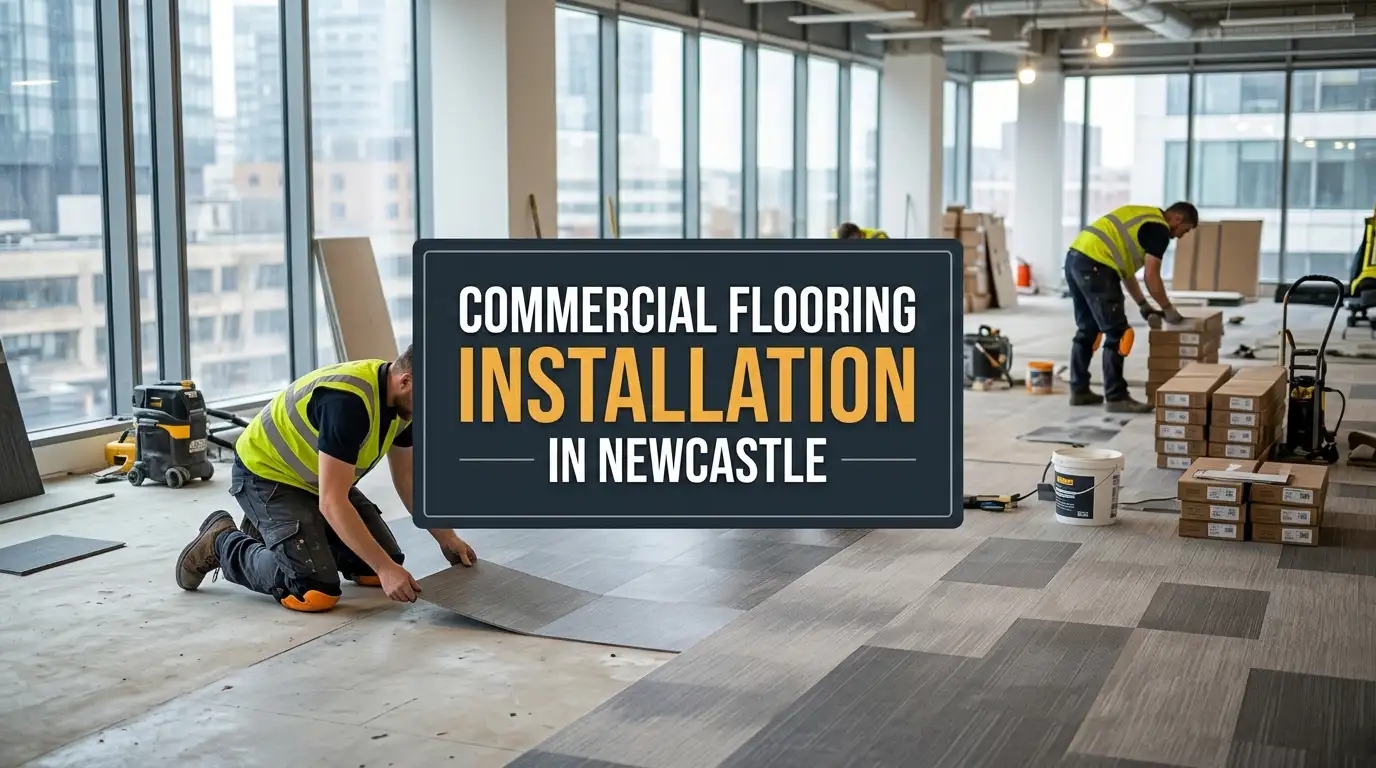
Commercial Flooring Installation in Newcastle: Guide for Offices, Schools & Healthcare Facilities
Commercial flooring installation in Newcastle requires careful planning to ensure floors meet the daily demands of workplaces and public facilities. Offices, schools and healthcare environments need flooring that can handle regular foot traffic, support safe movement, simplify cleaning and maintain its appearance over time. The right choice depends on how each space is used, its maintenance needs and the conditions of the existing subfloor.
In this blog, we explore commercial flooring options for Newcastle businesses, including vinyl, carpet tiles, safety flooring and tiles. You will also learn how to choose flooring for different facilities, understand the flooring installation Newcastle process, consider relevant safety requirements, estimate project costs and minimise disruption during installation.
In this blog
- What Is Commercial Flooring Installation and Why Does It Matter?
- What Are the Best Commercial Flooring Options for Newcastle Businesses?
- What Flooring Is Best for Different Commercial Facilities?
- How Does the Commercial Flooring Installation Process Work?
- What Safety and Compliance Requirements Apply to Commercial Flooring?
- How Much Does Commercial Flooring Installation Cost in Newcastle?
- How Can Businesses Minimise Disruption During Commercial Flooring Installation?
- Commercial Flooring Maintenance: How Can You Extend Its Lifespan?
- Commercial Flooring Supply and Professional Installation with Gorkha Flooring
- Conclusion
- FAQS
What Is Commercial Flooring Installation and Why Does It Matter?
Commercial flooring installation is the process of selecting, preparing and fitting flooring designed for workplaces and public buildings such as offices, schools, hospitals and retail spaces. Unlike residential flooring, commercial flooring must often handle heavier foot traffic, frequent cleaning, furniture movement and longer operating hours. When comparing the best types of flooring for Newcastle commercial properties, consider that the installation process may also involve larger floor areas, specialised materials and specific safety or hygiene requirements. Choosing suitable flooring and preparing the subfloor correctly can help improve durability, reduce maintenance issues and support the daily operations of a commercial property.
Commercial vs Residential Flooring Installation: What Is the Difference?
Commercial flooring installation differs from residential work because commercial spaces generally require products and installation methods suited to higher traffic, greater wear and more demanding maintenance routines. A family home may experience regular foot traffic from a small number of occupants, while an office, school or healthcare facility may have hundreds of people using the same floors each day. Commercial projects may also require closer attention to slip resistance, accessibility, cleaning procedures and the specific use of each area.
Key differences include:
Durability and wear ratings: Commercial flooring products are selected to handle the expected level of foot traffic, furniture movement and daily use. Product ratings and manufacturer specifications help determine whether a floor is suitable for a particular environment.
Installation complexity: Commercial projects may involve larger areas, multiple flooring materials, detailed layouts and specialist installation systems. Subfloor preparation and accurate measurements are important for achieving a consistent finish.
Safety requirements: Offices, schools and healthcare facilities may need flooring with suitable slip resistance, accessible transitions and other performance characteristics based on the building's intended use.
Cleaning and maintenance: Commercial floors often require regular cleaning and must suit the facility's maintenance schedule. Some environments also need surfaces that can tolerate specific cleaning products and procedures.
Operational requirements: Installation may need to be planned around business hours, school schedules or healthcare operations to reduce disruption and maintain safe access.
Residential flooring products are not automatically suitable for commercial use. Always check the manufacturer's recommendations, performance ratings and approved applications before choosing a product for a workplace or public facility.
Key Factors to Consider Before Installing Commercial Flooring
The right commercial flooring depends on foot traffic, moisture exposure, safety, cleaning requirements, comfort, accessibility and the property's budget. Before starting a project, assess how people use each area and what conditions the floor will face every day. A reception area, school corridor and healthcare treatment room may need different flooring materials because their practical requirements are not the same.
Consider these factors before choosing commercial flooring:
Foot traffic and daily use: Identify how many people use each area and how often. Corridors, entrances and reception areas usually experience more movement than private offices or meeting rooms.
Moisture exposure and slip resistance: Consider spills, wet footwear and cleaning water. Entrances, kitchens, bathrooms and other wet areas may need flooring with suitable slip-resistance characteristics.
Hygiene and cleaning routines: Choose surfaces that suit the property's cleaning schedule and maintenance procedures. Healthcare facilities may have additional requirements for cleaning chemicals, seams and floor finishes.
Acoustic comfort and appearance: Carpet tiles can help reduce noise in selected office and educational spaces, while vinyl and tiles offer different design and maintenance benefits. Consider the atmosphere you want to create as well as the practical demands.
Accessibility: Check floor transitions, changes in level and surface suitability for people using wheelchairs, mobility aids or other assistive devices. Avoid unnecessary trip hazards along accessible routes.
Budget and installation time: Account for material costs, labour, existing flooring removal, subfloor repairs and any additional preparation. Also consider whether installation can take place in stages or outside normal operating hours to reduce disruption.
Site inspection can help identify these requirements before you select a flooring product. It also allows the installer to assess the existing floor, identify potential preparation work and recommend an installation approach suited to the property.
What Are the Best Commercial Flooring Options for Newcastle Businesses?
Commercial vinyl, carpet tiles, porcelain and ceramic tiles, safety flooring, and selected hybrid or laminate products are common options for Newcastle businesses. Each material offers different benefits in terms of durability, appearance, comfort, moisture resistance and maintenance. Best choice depends on the property's purpose, expected foot traffic, safety requirements and cleaning routines. Businesses should also check product specifications to ensure the selected flooring is approved for its intended commercial application.
1. Commercial Vinyl Flooring for Offices, Retail and Healthcare
Commercial vinyl flooring is a practical option for offices, retail spaces and selected healthcare environments because many vinyl flooring Newcastle options offer easy cleaning, moisture resistance and a range of design choices. It is available in sheets, planks and tiles, allowing businesses to select a format suited to their space. Check the product's wear layer, commercial rating and installation requirements to ensure it can handle the expected traffic and cleaning routine.
Vinyl Flooring Newcastle2. Commercial Carpet Tiles for Offices and Educational Spaces
Commercial carpet tiles are suitable for offices, libraries and selected educational spaces where acoustic comfort and a softer underfoot surface are important. When comparing carpet tiles Newcastle options, consider their modular design, which allows individual tiles to be replaced if they become stained or damaged, reducing the need to replace an entire floor. Fibre type, backing, stain resistance and traffic ratings should also be considered when selecting carpet tiles for busy commercial interiors.
Carpet Tiles Newcastle3. Porcelain and Ceramic Tiles for Commercial Properties
Porcelain and ceramic tiles offer a durable, moisture-resistant surface for commercial entrances, hospitality spaces and other areas suited to hard flooring. They are available in different sizes, colours and finishes, making them suitable for a range of interior designs. However, businesses should check slip-resistance ratings, consider grout cleaning and maintenance, and ensure the subfloor and installation method are suitable for the selected tiles.
4. Safety Flooring for Wet and High-Risk Areas
Safety flooring is designed for areas where spills, moisture and regular cleaning can increase the risk of slipping. Specialist safety vinyl and slip-resistant flooring products are commonly considered for commercial kitchens, bathrooms, laundries and selected healthcare areas. The surface should provide suitable slip resistance for its intended use while remaining compatible with the facility's cleaning procedures and maintenance requirements.
5. Hybrid and Laminate Flooring for Selected Commercial Interiors
Commercial-rated hybrid flooring can provide timber-look finishes for selected offices, consultation rooms and retail interiors. When comparing hybrid flooring Newcastle options, businesses can explore a range of colours and patterns to create a consistent appearance across commercial spaces. However, not every hybrid or laminate product is designed for commercial traffic, so check its wear rating, moisture limitations and manufacturer-approved applications before installation.
Hybrid Flooring NewcastleWhat Flooring Is Best for Different Commercial Facilities?
Commercial vinyl and carpet tiles are common choices for offices, durable vinyl and safety flooring suit many school areas, and specialist vinyl systems are often used in healthcare facilities. Aged care centres and medical practices need surfaces that support safe movement, accessibility and regular cleaning, while retail and hospitality businesses often prioritise durability, appearance and slip resistance. Right flooring depends on how each facility operates, the people who use it and the maintenance it requires.
1. Best Commercial Flooring for Offices
Commercial vinyl and carpet tiles are suitable office flooring options, with the choice depending on the purpose of each area. Vinyl can work well in reception areas, meeting rooms and walkways because it is easy to clean and available in different finishes. Carpet tiles can provide acoustic comfort in workstations and shared office spaces. Consider furniture movement, foot traffic, appearance and cleaning requirements when selecting products.
2. Best Flooring for Schools and Educational Facilities
Durable commercial vinyl and suitable safety flooring are practical options for busy school corridors, classrooms and shared areas. These surfaces can handle regular foot traffic and support straightforward cleaning routines when the right products are selected. Carpet tiles may suit libraries and selected learning spaces where noise control and underfoot comfort matter. Slip resistance, stain resistance and product durability should match the needs of each school area.
3. Best Flooring for Hospitals and Healthcare Facilities
Specialist commercial vinyl flooring is commonly used in hospitals and healthcare facilities because selected systems can support regular cleaning and specific hygiene requirements. Sheet vinyl and other low-joint flooring systems may be suitable for clinical areas and treatment rooms where seamless finishes are required by the facility's specifications. Flooring must also suit expected foot traffic, slip-resistance needs and approved cleaning chemicals. Always check product specifications against the facility's infection-control and maintenance procedures.
4. Best Flooring for Aged Care and Medical Centres
Commercial vinyl and other easy-to-maintain flooring products can suit aged care centres and medical practices when selected for comfort, accessibility and safe movement. These facilities need surfaces that support residents, patients, visitors and staff, including people who use wheelchairs or mobility aids. Slip resistance, smooth transitions and ease of cleaning are important considerations. Acoustic comfort may also matter in resident rooms, consultation areas and shared spaces.
5. Best Flooring for Retail Shops and Hospitality Businesses
Commercial vinyl and suitable tiles are practical choices for many retail and hospitality areas because they can handle regular customer traffic and routine cleaning. Vinyl offers design flexibility for shops, cafés and restaurants, while tiles may suit entrances and areas exposed to moisture. Carpet tiles can be considered for selected customer-facing interiors where acoustic comfort is useful. Businesses should assess slip resistance, furniture movement, cleaning routines and the appearance they want to maintain.
Ready to Transform Your Home's Flooring?
Get expert guidance on carpets, hybrid, timber, vinyl & laminate flooring. Book a free in-home consultation with our specialists today!
How Does the Commercial Flooring Installation Process Work?
Commercial flooring installation generally involves five stages: site inspection, product selection and measurements, existing floor removal and subfloor preparation, flooring installation, and final inspection. Each stage helps ensure the selected flooring suits the property's needs and is fitted correctly. Proper planning also helps identify potential problems before work begins, manage material requirements and reduce disruption to business operations. The exact process may vary depending on the flooring material, building conditions and project size.
1. Initial Site Inspection and Flooring Assessment
The first step is to inspect the property and assess the existing floor, intended use and installation requirements. The installer measures the area, checks the condition of the current flooring and looks for moisture, cracks, uneven surfaces or other subfloor issues. They may also discuss the client's design preferences, daily operations, access arrangements and budget. This assessment helps establish the project scope and identify preparation work before installation.
2. Commercial Flooring Selection and Measurements
After the site assessment, the installer helps select flooring that matches the property's purpose, expected foot traffic and maintenance requirements. Product options should be checked for commercial ratings, wear resistance, moisture performance and suitability for the intended space. Accurate measurements help calculate how much flooring, adhesive, underlay and finishing material the project requires. The product's availability, installation method and manufacturer specifications should also be confirmed before work begins.
3. Existing Flooring Removal and Subfloor Preparation
Existing flooring must be removed where necessary, and the subfloor prepared to create a suitable surface for the new flooring system. This may involve removing old carpet, vinyl, tiles or adhesive residues, followed by repairing cracks and levelling uneven areas. Moisture testing may also be required because excess moisture can affect flooring performance and adhesive bonds. The preparation method depends on the subfloor type and the requirements of the selected flooring product.
4. Commercial Flooring Installation
The new flooring is installed using a method suited to the selected material and the manufacturer's instructions. Common methods include glue-down installation, floating floor systems and specialist installation techniques for products such as commercial sheet vinyl. Installers must consider flooring layout, adhesive compatibility, seams, edges and transitions between different surfaces. Following the correct installation specifications helps achieve a consistent finish and supports the floor's intended performance.
5. Final Inspection, Cleaning and Handover
The final stage involves checking the completed floor, cleaning the work area and providing the client with relevant care and maintenance information. The installer inspects seams, joints, edges, transitions and surface finishes to identify any visible issues. They should also confirm that the work matches the agreed project scope and product requirements. Before handover, the client should receive relevant cleaning instructions, maintenance guidance and available warranty documentation.
What Safety and Compliance Requirements Apply to Commercial Flooring?
Commercial flooring must meet relevant Australian building, workplace safety and accessibility requirements based on the building type, intended use and location. Offices, schools, hospitals and other public facilities may have different requirements for slip resistance, accessible movement, hygiene and fire performance. Choosing a suitable product is only one part of the process; the flooring must also be installed correctly and supported by relevant product documentation. Property owners should confirm applicable requirements with qualified building professionals and relevant authorities before installation.
1. Slip Resistance and Workplace Safety
Commercial flooring should provide suitable slip resistance for the conditions and activities in each area. Entrances, kitchens, bathrooms and other wet areas may become slippery due to rainwater, spills, grease or cleaning products. Check the product's slip-resistance classification and test information against the intended application rather than relying on appearance alone. Cleaning routines and changes in floor conditions should also be considered when managing workplace slip risks.
2. Accessibility and Safe Floor Transitions
Commercial flooring should support safe and accessible movement, including for people who use wheelchairs, mobility aids or other assistive devices. Sudden changes in floor level, raised edges and poorly fitted transitions can create trip hazards or restrict movement. Thresholds, ramps and joins between different flooring materials should be planned carefully to provide suitable access. Building owners should check applicable accessibility requirements and ensure the finished floor does not create unnecessary barriers.
3. Hygiene and Cleaning Requirements in Healthcare Facilities
Healthcare flooring should support the facility's cleaning, hygiene and infection-control procedures. Selected vinyl flooring systems can provide smooth surfaces with fewer joints, while suitable seam treatments and skirting details may help meet specific clinical requirements. The flooring must also withstand the cleaning products and maintenance methods used by the facility. Always check manufacturer guidance and consult the facility's infection-control team when selecting flooring for clinical or treatment areas.
4. Fire Performance and Relevant Building Requirements
Some commercial flooring applications require evidence of suitable fire performance under the relevant building requirements and project specifications. Product documentation may include test reports or other information about how the flooring performs under specified fire conditions. Property owners and project managers should check this documentation before approving a product for installation. Requirements can vary depending on the building classification and location, so confirm the applicable provisions with a qualified building professional or relevant authority.
How Much Does Commercial Flooring Installation Cost in Newcastle?
Commercial flooring installation costs in Newcastle depend on the flooring material, total floor area, subfloor condition, installation method and complexity of the project. Commercial-grade products may cost more than standard residential options because they are designed for specific traffic levels and performance requirements. Labour and preparation costs can also vary depending on the property's condition and access arrangements. For a broader breakdown of flooring prices, see our guide to flooring installation costs in Newcastle.
1. Commercial Flooring Material Costs
Commercial flooring material prices vary according to the product type, quality, wear rating and features required for the space. Commercial vinyl, carpet tiles, safety flooring and porcelain or ceramic tiles each have different price ranges. Specialist products designed for wet areas, healthcare environments or heavy foot traffic may cost more than standard options. Compare product specifications and intended applications rather than choosing flooring based on price alone.
2. Commercial Flooring Installation Labour Costs
Commercial flooring labour costs depend on the installation method, project size, site conditions and amount of preparation required. Large floor areas may involve more work, while detailed layouts, multiple flooring types and restricted site access can increase installation time. Some businesses may also require installation outside normal operating hours to reduce disruption. Confirm whether after-hours work is available and included in the quote before scheduling the project.
3. Additional Commercial Flooring Project Expenses
Additional expenses can increase the total project budget beyond the cost of flooring materials and installation labour. These costs depend on the condition of the existing floor, the selected flooring system and the property's operational requirements.
Common additional expenses include:
Existing flooring removal and disposal: Removing old carpet, vinyl, tiles or adhesive residues may involve extra labour and waste disposal costs.
Subfloor repairs and preparation: Cracks, uneven surfaces and moisture issues may require repairs, levelling or suitable moisture treatment before installation.
Installation materials and finishing: Adhesives, underlay, trims, skirting and transition profiles may add to the overall cost.
Furniture and equipment relocation: Moving office furniture, shelving, medical equipment or other items may require additional labour and planning.
Specialist installation requirements: Certain commercial flooring systems need specific preparation, installation techniques or finishing details that can affect the quote.
How Can Businesses Minimise Disruption During Commercial Flooring Installation?
Businesses can minimise disruption during commercial flooring installation by scheduling work carefully, dividing large projects into stages and preparing the site before installers arrive. Offices, schools and healthcare facilities often need to maintain daily operations while flooring work takes place. Clear communication between installers, staff and building managers helps coordinate access, manage safety risks and avoid unnecessary delays. The installation plan should also allow essential areas to remain accessible wherever practical.
1. Plan Installation Around Business Operations
Scheduling flooring work during quieter periods, weekends or planned closures can help reduce disruption to daily operations. Coordinate the installation dates with staff, facility managers and other contractors who may need access to the property. Confirm product delivery, site access and preparation requirements before work begins. A clear schedule helps everyone understand when specific areas will be unavailable and when they are expected to reopen.
2. Consider Staged or Section-by-Section Installation
Dividing a large flooring project into smaller sections can help businesses continue operating while installation takes place. Installers can work in separate zones, completing one area before moving to the next. This approach may help maintain access to essential rooms, corridors or workspaces, depending on the building layout and safety requirements. Plan each stage carefully to avoid blocking important routes or creating unsafe conditions around active work areas.
3. Prepare the Site Before Installation Begins
Preparing the work area before installation starts helps installers work efficiently and reduces delays caused by furniture, equipment or restricted access. Move furniture, stored materials and movable equipment away from the areas scheduled for flooring work. Identify restricted zones, access points and any special requirements for handling sensitive equipment. Inform staff, visitors, students, patients and other occupants about the installation timeline, temporary access changes and relevant safety arrangements.
Commercial Flooring Maintenance: How Can You Extend Its Lifespan?
Regular cleaning, preventive care and timely repairs help commercial flooring maintain its appearance and perform well for longer. Offices, schools, healthcare facilities and retail spaces experience different levels of foot traffic, spills and daily wear, so each floor needs a suitable maintenance routine. Cleaning methods should match the flooring material and the manufacturer's instructions. Consistent maintenance can also help businesses identify minor problems early and manage long-term flooring costs.
1. Daily and Weekly Commercial Floor Cleaning
Regularly removing dirt, dust and debris helps prevent surface wear and keeps commercial floors clean. Use cleaning products and equipment suited to the flooring material, as unsuitable chemicals or abrasive tools may damage some surfaces. High-traffic areas such as entrances, corridors and reception spaces may need more frequent cleaning than private offices or meeting rooms. Establish daily and weekly cleaning schedules based on the facility's activities and manufacturer recommendations.
2. Prevent Scratches, Stains and Premature Wear
Simple preventive measures can reduce scratches, stains and damage caused by everyday commercial use. Place suitable entrance mats near doorways to capture dirt and moisture before they reach the main floor. Use appropriate furniture protectors, clean spills promptly and avoid cleaning chemicals that are not approved for the flooring material. Heavy equipment and furniture should also be moved carefully to prevent scratches, dents and damage to floor joints.
3. Schedule Inspections, Repairs and Replacement
Routine floor inspections help businesses identify damage early and arrange repairs before problems become more serious. Check seams, edges, joints and high-traffic areas for lifting, cracks, loose tiles, worn surfaces or other signs of deterioration. Where practical, repair or replace damaged sections according to the manufacturer's recommendations. Consider replacing flooring when it becomes unsafe, difficult to maintain or no longer performs as required for the facility.
Commercial Flooring Supply and Professional Installation with Gorkha Flooring
Gorkha Flooring operates as a flooring supplier and installation in Australia, providing flooring products and professional installation services for residential and commercial properties. Its flooring range includes vinyl, carpet tiles and other products suitable for different interior requirements. Choosing the right product involves considering foot traffic, moisture exposure, cleaning routines and the property's design. Proper measurements, subfloor assessment and installation planning also help ensure the selected flooring meets the project's requirements. Newcastle businesses can contact Gorkha Flooring to confirm service availability and discuss their commercial flooring needs.
1. Explore Commercial Flooring Options
Gorkha Flooring offers different flooring categories to suit a range of commercial interiors and practical requirements. Businesses can explore options such as vinyl flooring, carpet tiles and other suitable products for offices, retail spaces and shared facilities. The selection process should consider expected foot traffic, moisture exposure, cleaning requirements and the desired appearance. Discussing how each area is used can help narrow down suitable flooring options for the property.
2. Get Advice on Flooring Selection and Installation
Choosing commercial flooring requires checking product specifications and ensuring the material is suitable for its intended application. Gorkha Flooring can help businesses consider factors such as wear ratings, moisture performance, maintenance requirements and installation methods. Accurate site measurements and subfloor assessments are also important for estimating material requirements and identifying preparation work. Professional installation should follow the manufacturer's guidelines to support the flooring's expected performance.
3. Request a Commercial Flooring Measure and Quote
Contact Gorkha Flooring to discuss your commercial flooring project and confirm whether installation services are available in Newcastle. Share details about your facility type, approximate floor area, preferred flooring material and any specific installation requirements. A site assessment can help establish the project scope, identify subfloor preparation needs and provide a more accurate quote. Get in touch with the Gorkha Flooring team to discuss suitable flooring options and plan your commercial flooring project.
Conclusion
Choosing the right commercial flooring in Newcastle involves more than selecting a material that looks good. Businesses must consider foot traffic, safety, hygiene, durability, accessibility and ongoing maintenance before starting an installation project. Offices may benefit from a combination of vinyl and carpet tiles, while schools and healthcare facilities often have specific requirements for slip resistance, cleaning and daily wear. Proper subfloor preparation and professional installation also help support the flooring's long-term performance.
Before making a decision, assess your property's requirements, compare suitable commercial flooring options and plan the installation to minimise disruption to daily operations. If you are considering new flooring for your office, school, healthcare facility or commercial property, contact Gorkha Flooring to discuss your requirements and confirm Newcastle service availability. The team can help you explore suitable flooring options and discuss the next steps for your project.
FAQS
1. What Is the Best Flooring for Commercial Offices?
Commercial vinyl and carpet tiles are popular choices for office flooring. Vinyl suits reception areas, meeting rooms and walkways because it is easy to clean and available in different finishes. Carpet tiles work well in workstations and shared spaces where acoustic comfort matters. The best option depends on foot traffic, maintenance needs and the purpose of each area.
2. What Flooring Is Best for Schools and Classrooms?
Commercial vinyl is a practical choice for classrooms, corridors and other busy school areas because it is durable and relatively easy to maintain. Carpet tiles may suit libraries and selected learning spaces where noise reduction is important. Schools should also consider slip resistance, stain resistance and cleaning requirements when selecting flooring.
3. What Is the Best Flooring for Hospitals and Healthcare Facilities?
Specialist commercial vinyl is commonly used in hospitals, treatment rooms and clinical areas because selected products support regular cleaning and hygiene procedures. Sheet vinyl and low-joint flooring systems may be suitable where seamless finishes are required. The flooring must also meet the facility's requirements for slip resistance, chemical compatibility and maintenance.
4. How Long Does Commercial Flooring Installation Take?
Commercial flooring installation can take anywhere from a few days to several weeks, depending on the floor area, material, subfloor condition and project complexity. Smaller projects involving carpet tiles or vinyl may take less time than large facilities requiring extensive preparation. Existing flooring removal, moisture treatment and specialist installation can also extend the schedule.
5. Can Commercial Flooring Be Installed Without Closing a Business?
Yes, commercial flooring can sometimes be installed without closing the entire business. Installers can divide the property into sections and complete one area at a time while maintaining safe access to other spaces. Weekend, after-hours or planned closure periods may also be suitable. The approach depends on the building layout, installation requirements and safety arrangements.
6. Is Commercial Vinyl Flooring Waterproof?
Many commercial vinyl flooring products are waterproof, but performance depends on the specific product and installation system. Vinyl sheets can provide fewer joints than planks or tiles, which may help limit water penetration through the floor surface. However, seams, edges and subfloor conditions still matter. Always check the manufacturer's specifications before using vinyl in wet areas.
7. How Often Should Commercial Flooring Be Replaced?
There is no fixed replacement schedule for all commercial flooring because lifespan depends on material quality, foot traffic, cleaning routines and maintenance. High-traffic corridors and entrances may wear faster than private offices or meeting rooms. Inspect floors regularly for damaged seams, loose tiles, worn surfaces and safety concerns. Replace flooring when repairs are no longer practical or it cannot meet the facility's requirements.
8. Does Commercial Flooring Need to Meet Australian Safety Standards?
Yes, commercial flooring must comply with applicable Australian building, workplace safety and accessibility requirements. Depending on the building and intended use, these may involve slip resistance, accessible floor transitions and fire performance. Healthcare facilities may also have additional hygiene and cleaning requirements. Property owners should confirm the relevant standards and project specifications with qualified professionals before installation.
Related Posts

What are the Best Types of Flooring For Newcastle Homes & Commercial Properties?
Read More
How Much Does Flooring Installation Cost in Newcastle? Factors That Affect Your Quote
Read More